Last updated November 23, 2026
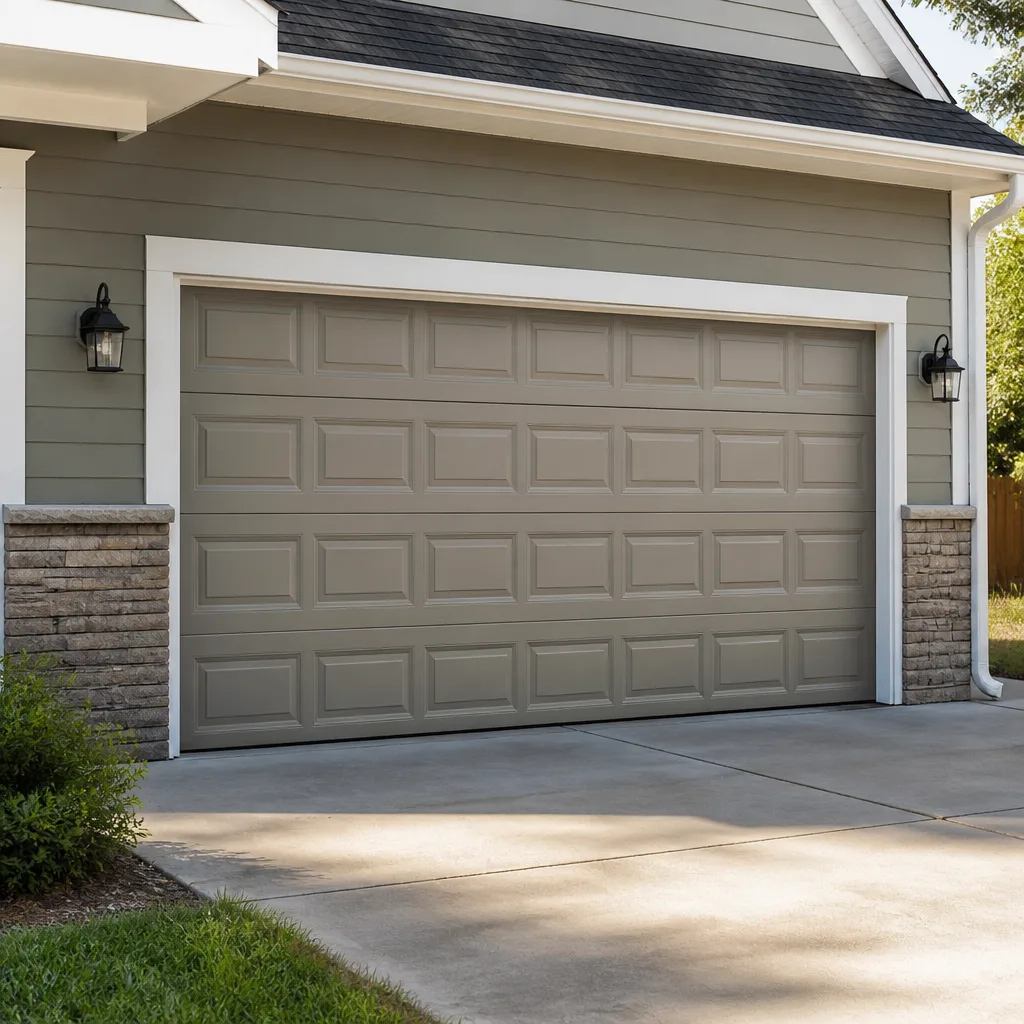 Raised-panel steel
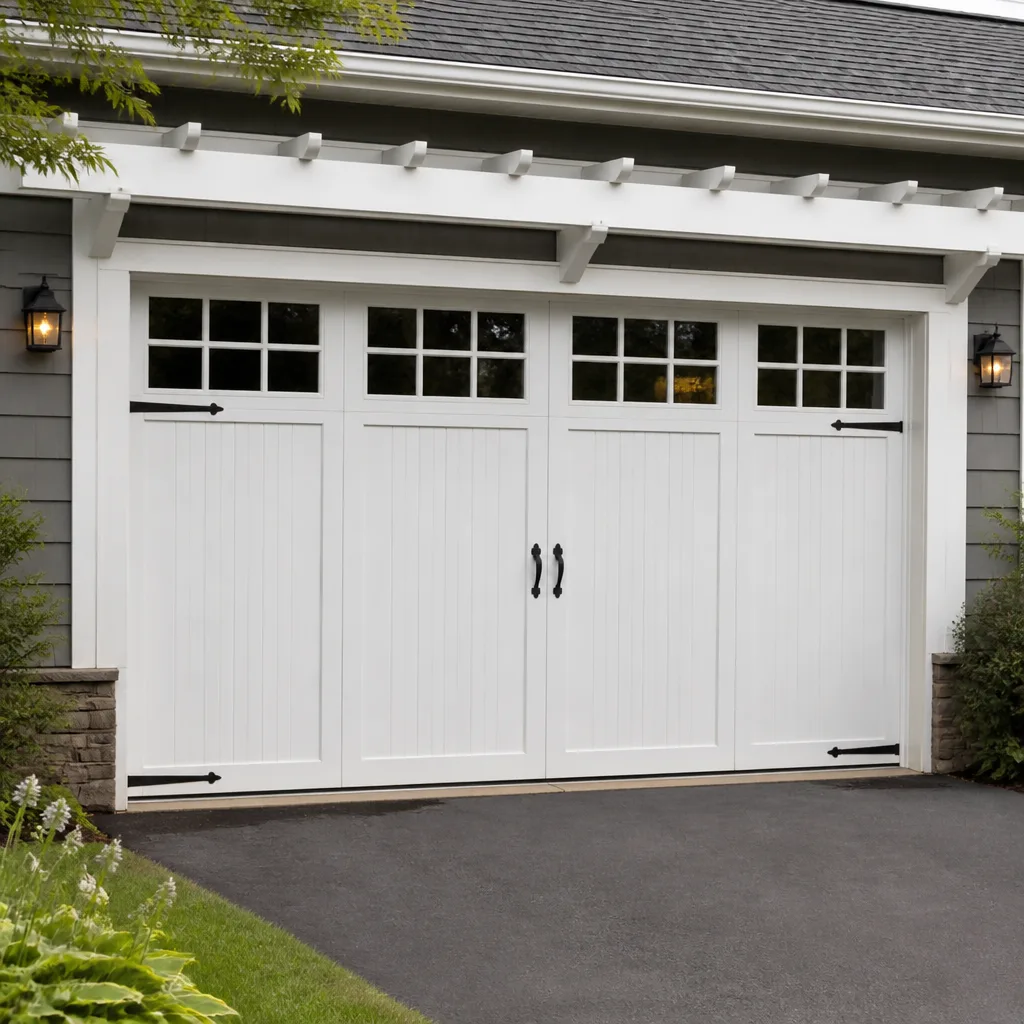 Carriage house
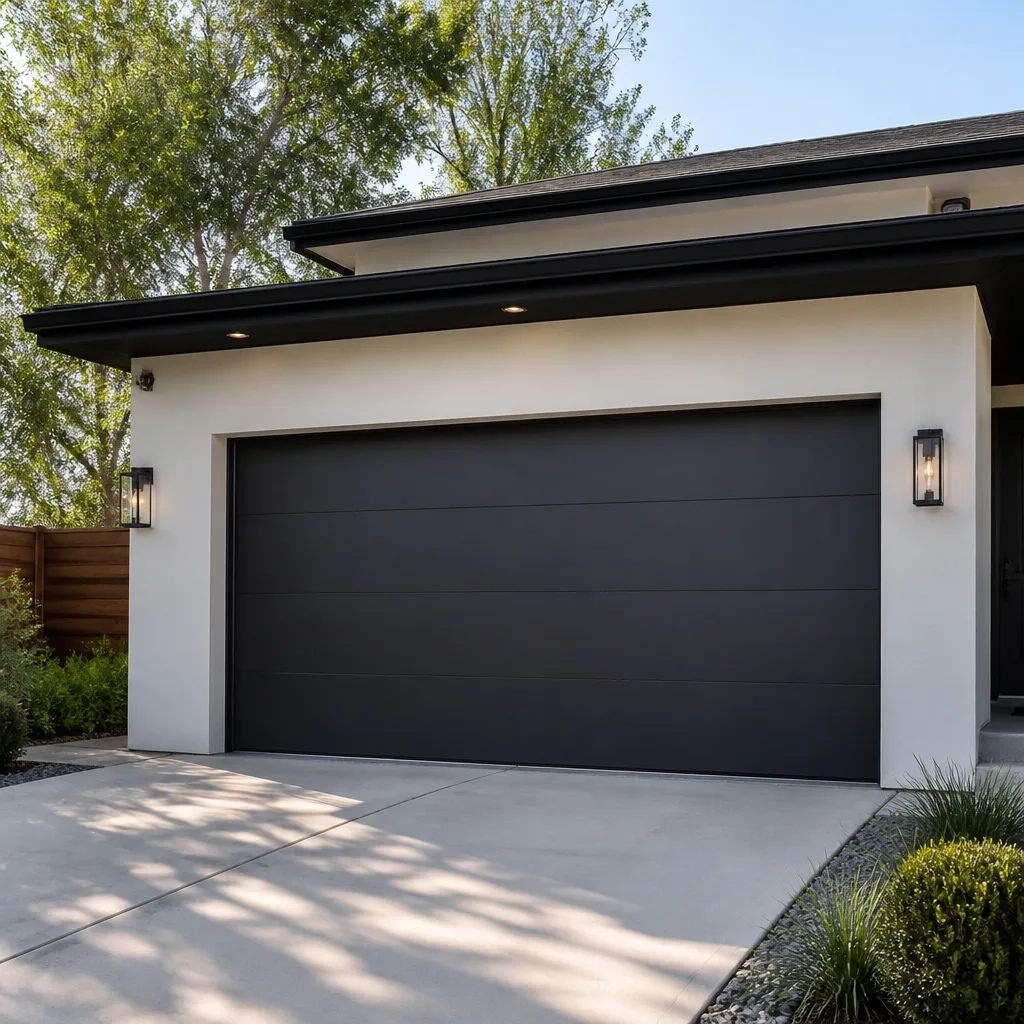 Modern flush
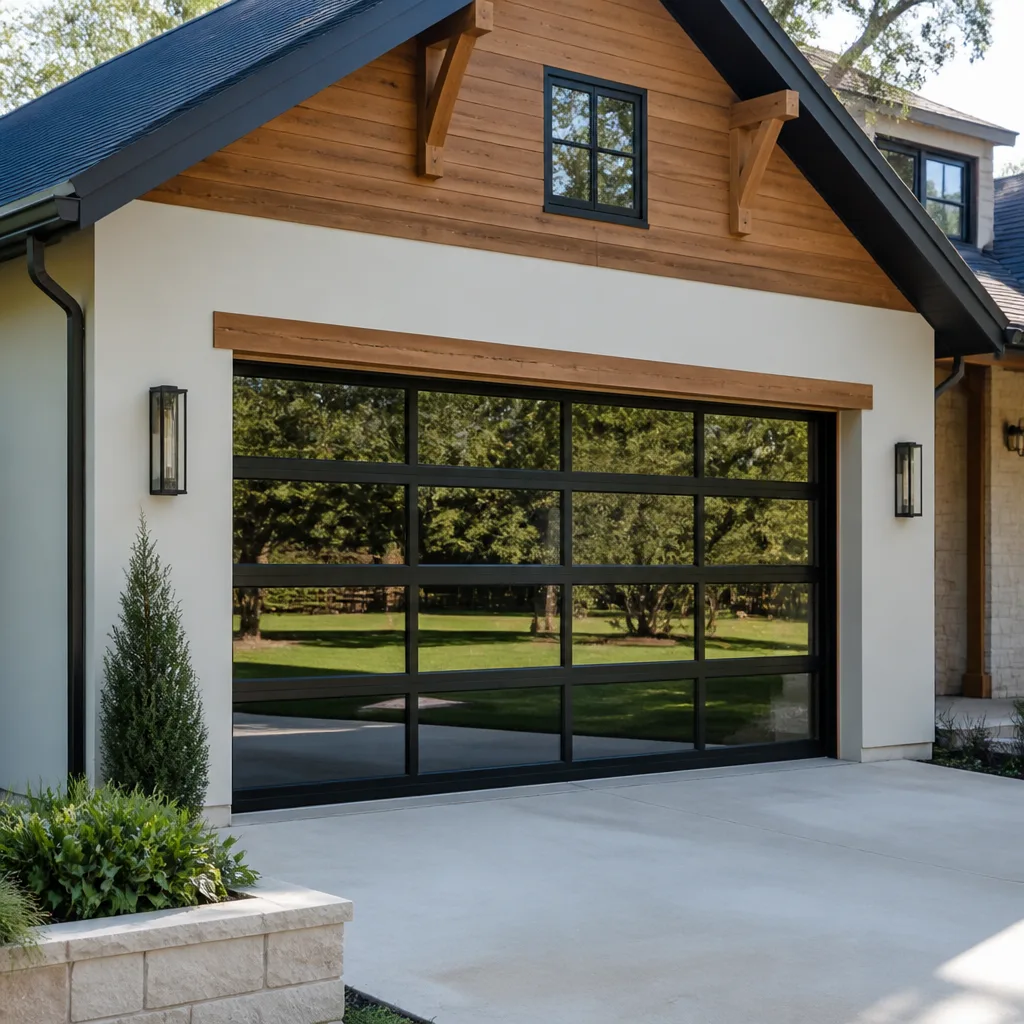 Full-view glass
 LiftMaster openers
 Chamberlain openers
Full 25-point door and opener safety check with every visit - springs, cables, rollers, tracks, and your LiftMaster or Chamberlain opener included
You get a price before we start. It does not change when the pro arrives.
Get your free estimateGarage Door Permits, Codes & Inspections in Woodbridge Township, NJ: What You Need to Know
Most homeowners in Woodbridge Township assume that swapping a garage door is a no-permit job. In the simplest case, they’re right: a straight panel-for-panel replacement of a door in the same opening generally doesn’t trigger a permit here. But add an opener circuit, widen the opening, or touch the structural header and you’re in building department territory, whether your contractor mentioned it or not. That gap between what people assume and what the code actually requires is where resale problems start. This guide walks through the real permit thresholds, how the Woodbridge Township building department process works, where the state energy code applies, and what to document so an inspector never flags your garage.
Quick Answer
A like-for-like garage door replacement in Woodbridge Township usually does not require a building permit. Structural alterations to the opening, enlarging the door, adding or rewiring an opener circuit, and new construction attached to the house do require permits and inspection. When in doubt, call the Woodbridge Township building department before work starts and ask, because the answer depends on what’s actually changing.
Styles & brands we work with
- Raised-panel steel
- Carriage house
- Modern flush
- Full-view glass
- LiftMaster openers
- Chamberlain openers
Table of Contents
- What Actually Triggers a Permit in Woodbridge Township
- Replacement vs. Alteration vs. New Construction
- When New Jersey’s Energy Code Applies to Garage Doors
- How the Woodbridge Township Permit and Inspection Process Works
- Why Unpermitted Opener Electrical Work Gets Flagged
- What to Document Regardless of Permit Status
- How Permits Affect Resale in Middlesex County
- Questions to Ask a Garage Door Contractor
What Actually Triggers a Permit in Woodbridge Township
The permit question comes down to one thing: are you changing the building, or just restoring it? A garage door is a piece of equipment hung in an opening. When you replace that equipment with the same size and type, you’re restoring. When your project changes the opening, the framing around it, or the electrical serving it, you’re changing the building, and that’s when the Woodbridge Township building department gets involved.
Here’s how we separate the two in practice, and it matches how most New Jersey building departments read the state’s Uniform Construction Code:
- No permit typically needed: swapping a door for one of the same dimensions in the same opening, replacing springs, cables, rollers, or hinges, replacing an opener with a like-for-like unit on an existing circuit.
- Permit typically required: widening or raising the opening, replacing or modifying a structural header or lintel, converting a manually operated door to an automatic one with a new circuit, adding lighting or outlets in the garage, converting a garage to living space, or building a new detached garage.
- Ask first, always: any project where the door size changes, where the wall above the opening is opened up, or where a new electrical run is needed.
Woodbridge Township includes a wide range of housing stock, from the older colonials and capes in Colonia, Avenel, and Fords to newer construction in the Iselin and Woodbridge proper areas. Older homes often have undersized single-car openings built to a different standard, and that’s exactly when homeowners want to widen. Widening is a structural change, and it needs a permit and a plan. In our experience, that’s the single most common point where a “simple” door job turns into a building department project.
Replacement vs. Alteration vs. New Construction
The Uniform Construction Code treats a replacement, an alteration, and new construction as three different things, and that distinction controls whether a permit is required and what the inspection covers. Getting the category right at the start saves time and money.
- Replacement: a new door or opener of the same size, weight class, and function, installed in the existing opening on the existing electrical circuit. This is the lightest category. It generally does not require a building permit in Woodbridge Township, and inspection isn’t part of the picture.
- Alteration: any change to the opening’s dimensions, the structural frame, or the electrical service. Adding an opener to a door that never had one, widening the opening, and changing the header are all alterations. These require a permit, and the work gets inspected by the township’s building and electrical inspectors.
- New construction: a new garage structure, an addition that includes a garage, or a substantial rebuild. The garage door is part of the overall permit, and inspection happens alongside the framing and electrical inspections for the whole project.
The category matters because the contractor you hire has to be able to work within it. A specialist who only does like-for-like swaps will hand you off when the opening changes; a company that handles full installation can manage the door side of an alteration but still needs a licensed electrician and, often, a licensed engineer or architect for the structural drawing. If you’re planning a repair that turns into a bigger job, our garage door repair service can tell you early whether the scope stays in replacement territory or crosses into alteration.
When New Jersey’s Energy Code Applies to Garage Doors
New Jersey adopts the International Energy Conservation Code (IECC) as part of its construction code, and the IECC sets insulation requirements for the building envelope, including the wall between an attached garage and the conditioned living space. When a garage door replacement is part of a permitted alteration or new construction, the energy code may come into play, and the door’s insulation value can become part of the conversation.
Here’s how it usually works:
- Detached garages: the energy code generally doesn’t impose the same envelope requirements on a detached, unconditioned garage. A door swap there is usually a straightforward replacement.
- Attached garages: the shared wall between the garage and the house is part of the thermal envelope. If your permitted project touches that envelope, the inspector may ask about insulation, and the door’s rated insulation value can matter to the plan.
- Conditioned or converted garages: if a garage is converted to living space or kept heated, the requirements tighten considerably, and the door becomes part of the envelope calculation.
We don’t supply R-values here because the correct figure depends on your specific project and the edition of the code in force at the time of permitting. What we can tell you is that an insulated door from a manufacturer like Clopay or Amarr is the right conversation to have when your project touches the envelope. Your contractor, your architect, and the Woodbridge Township building department should settle the number together. In our experience, most straight replacements of an existing attached-garage door don’t trigger this, but any permitted alteration might.
How the Woodbridge Township Permit and Inspection Process Works
The Woodbridge Township Building Department handles construction permits for garage-related work. The process is more predictable than people expect, but the timelines depend on the scope, the completeness of your application, and the department’s current workload. Here’s the general sequence.
- Confirm jurisdiction and scope. Call the Woodbridge Township building department and describe your project in plain terms: same-size door, or opening changed? Existing circuit, or new one? Ask what the department requires. The answer is the authority, not your contractor’s opinion.
- Prepare the application. For a door alteration you’ll typically need a description of the work, a drawing or specification of the new opening and framing if the header changes, and contractor information. Electrical work on the opener circuit is usually filed under the electrical subcode.
- Submit and pay the fee. Permit fees are set by the township and depend on the valuation and type of work. Ask for the fee schedule when you call.
- Receive the permit. Once the application is accepted, the permit is issued and work can begin.
- Call for inspections. The inspector looks at the framing, the installation of the door and hardware, and, where applicable, the electrical work on the opener. The inspection is about whether the work matches the approved plan and meets code, not about aesthetics.
- Get the final sign-off. The closed permit is the document you want in your file for resale.
For a door installation with no structural or electrical change, there’s usually nothing to file. When you’re ready to measure and order, our team can walk the opening with you and confirm whether the scope stays a simple swap. Reach out to Woodbridge Garage Door Repair Co and we’ll tell you straight.
Why Unpermitted Opener Electrical Work Gets Flagged
Opener electrical work is the most common garage-related flag on home inspection reports in Middlesex County, and it’s rarely because a homeowner set out to cut corners. It happens because adding a new opener often means running a new circuit from the panel, and running a new circuit requires an electrical permit and inspection. The homeowner sees it as part of the door job. The building department sees it as electrical work.
Common situations we see:
- An opener was added to a door that never had one, wired by the door installer or a handyman, with no electrical permit.
- A new outlet or overhead light was added in the garage off an existing circuit without a permit or inspection.
- The opener was hardwired when the manufacturer specifies a plug-in connection, or the connection isn’t inside the required enclosure.
- The panel that feeds the garage already has issues, and adding the opener load exposed them.
This is where the wiring gets genuinely dangerous and where a trained professional matters. Electrical panels and garage circuits carry live current, and working inside a panel is not a homeowner task. If your project needs a new circuit or any panel work, bring in a licensed electrician, and make sure the electrical subcode permit is filed. We handle the door and opener side of the job, and we can work alongside your electrician so the opener ends up on a proper circuit. Our garage door opener repair service covers LiftMaster, Chamberlain, Genie, and Craftsman units, and we diagnose motor, logic board, and remote issues without touching the panel. When a new circuit is needed, we’ll say so.
What to Document Regardless of Permit Status
Even when no permit is required, a paper trail protects you at resale. A future buyer’s inspector will look at the garage door and opener, and a clear file answers the questions before they’re asked. Here’s what to keep.
- The contractor’s written estimate and invoice, showing the scope, the date, and the door or opener model installed. This proves the work was professional and like-for-like.
- The manufacturer’s spec sheet or cut sheet for the door and the opener, showing dimensions, weight class, and safety features.
- The opener manual and installation guide for the model installed, from a manufacturer like Chamberlain or Genie. It documents the safety reverse requirements the installer followed.
- Photos of the opening, the new door, the springs, the operator, and the electrical connection. Date them.
- Any electrical permit and inspection record if a new circuit was involved. This is the single most important document to have if there’s any question about opener wiring.
- The closed building permit if the project required one.
For homeowners in Woodbridge Township, this file pays off in two places: a home inspection and a buyer’s request for documentation. A clean binder beats a verbal explanation every time. If you’ve lost your paperwork from an earlier install, a licensed specialist can inspect the door and opener and give you a written sign-off on what’s there.
How Permits Affect Resale in Middlesex County
When you sell a house in Woodbridge Township, the buyer’s inspector walks the garage. They’ll look at door balance, spring health, the safety reverse function on the opener, and any signs of unpermitted electrical work. Most findings are minor and easy to resolve, but an unpermitted structural alteration or an electrical run with no record can stall the sale while the question gets sorted.
In our experience, the situations that cause real trouble at resale are:
- An opening that was widened after the original construction, with no permit to show it was engineered and inspected.
- An opener on a new circuit that was never inspected. The wiring looks fine on the surface, and that’s what makes it a problem: the buyer’s electrician opens the panel and can’t find a record.
- A garage converted to living space, or an attached garage brought into the conditioned envelope, without a permit for the conversion.
- A detached garage or addition built without proper permit documentation.
The fix is almost always paperwork, not demolition. But if the opening was altered without a permit, the buyer’s side may ask for a structural engineer’s letter or a retroactive permit, and either adds time to the closing. The cheapest approach is a permit obtained up front when the scope requires one, and a clean paper trail when it doesn’t. When you’re planning a door or opener project in Woodbridge Township, we tell customers exactly which category they’re in before anyone picks up a tool.
Questions to Ask a Garage Door Contractor
The permit question is your contractor’s job to answer correctly, not yours to research alone. Here are the questions that separate a specialist from a generalist, and the answers you should expect.
- “Is this project a replacement, an alteration, or new construction?” A specialist knows the difference and will tell you which category your job falls into before quoting.
- “Does this scope require a permit in Woodbridge Township?” The contractor should either know the township’s thresholds or commit to confirming with the building department. “You don’t need a permit” without a reason is a red flag.
- “If the opener needs a new circuit, who pulls the electrical permit?” Expect the name of a licensed electrician. The door company shouldn’t be doing panel work.
- “What will you put in writing when the job is done?” Expect an invoice with model numbers, and photos of the installed door and operator.
- “Can you service the brand already in my garage?” If your garage has a Chamberlain, Genie, Clopay, or Amarr door, or a LiftMaster or Craftsman opener, the answer should be yes without a callback.
- “What’s the written price, and what’s included?” The estimate should spell out removal, installation, disposal, hardware, and any electrical coordination.
At Woodbridge Garage Door Repair Co, our technicians have up to 15 years of experience, and we work on the brand already in your garage rather than steering you to a replacement you don’t need. Springs, openers, panels, full doors: one call. For the spring side of the job in particular, see our garage door spring repair page; springs are a safety-critical component and a bad place to save a few dollars.
Common Mistakes to Avoid
- Assuming “no permit” means “no questions.” A like-for-like swap usually needs no permit, but widening the opening or adding a circuit does. Ask the Woodbridge Township building department before the demo, not after.
- Letting the door installer wire the new opener. Opener electrical work belongs to a licensed electrician with a filed electrical permit. A door installer doing panel work is the most common flag on Middlesex County inspection reports.
- Widening the opening without a structural plan. In older Woodbridge Township homes, that’s usually an alteration, and it needs a permit and often an engineer’s input. Skipping this is the most expensive mistake on the list.
- Skipping the energy code conversation on an attached garage. If your permitted project touches the wall shared with the house, insulation and the door’s rated value can come into it. Settle it before ordering the door.
- Losing the paperwork. Even a no-permit replacement should leave you with an invoice, spec sheet, and photos. Without them, a future inspection is harder to close out.
- Hiring a generalist for a high-tension spring or an opener diagnosis. Springs are a safety-critical job, and openers need motor, logic board, and remote diagnostics, not guesswork. A specialist gets it right the first time.
- Signing off on “the price is the price” with no written estimate. The written estimate should be agreed before any work starts, and it should name the scope. Verbal quotes invite the invoice surprise nobody wants.
See the difference
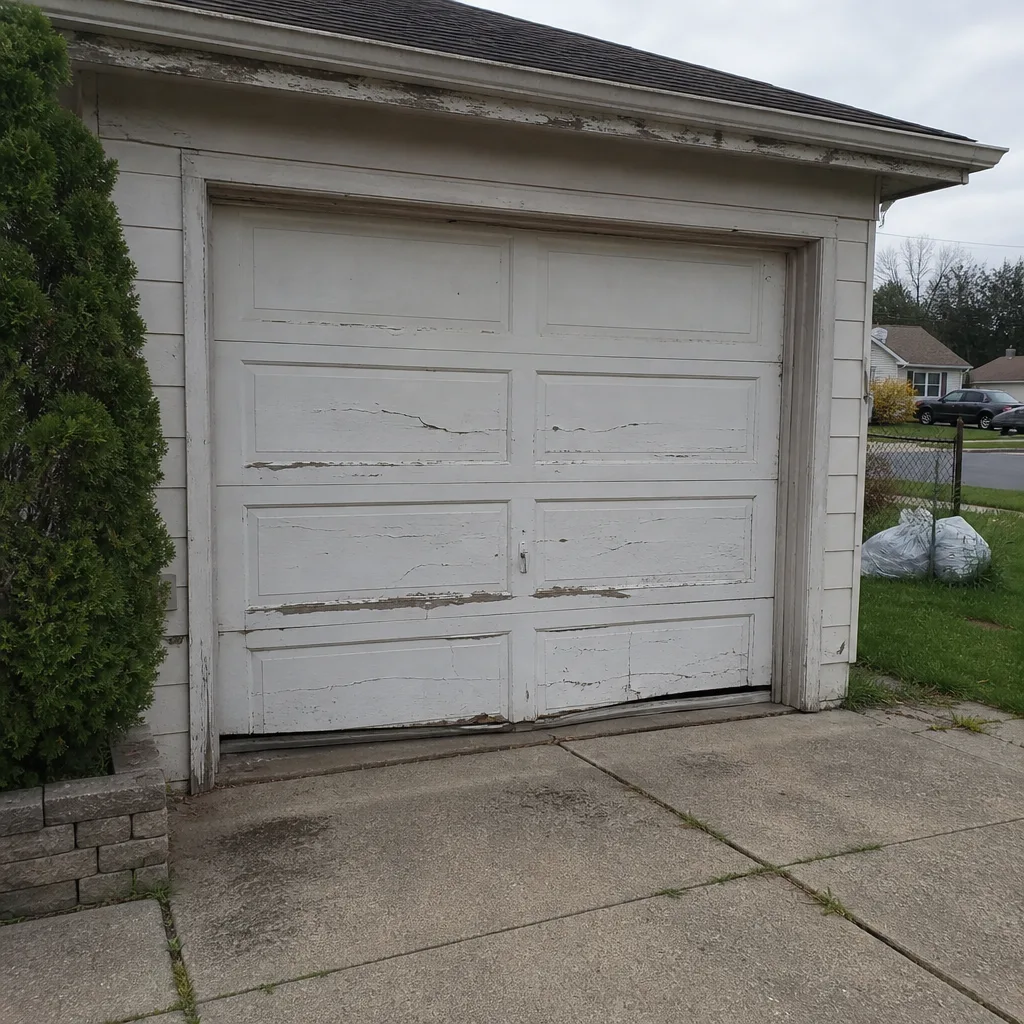 Before
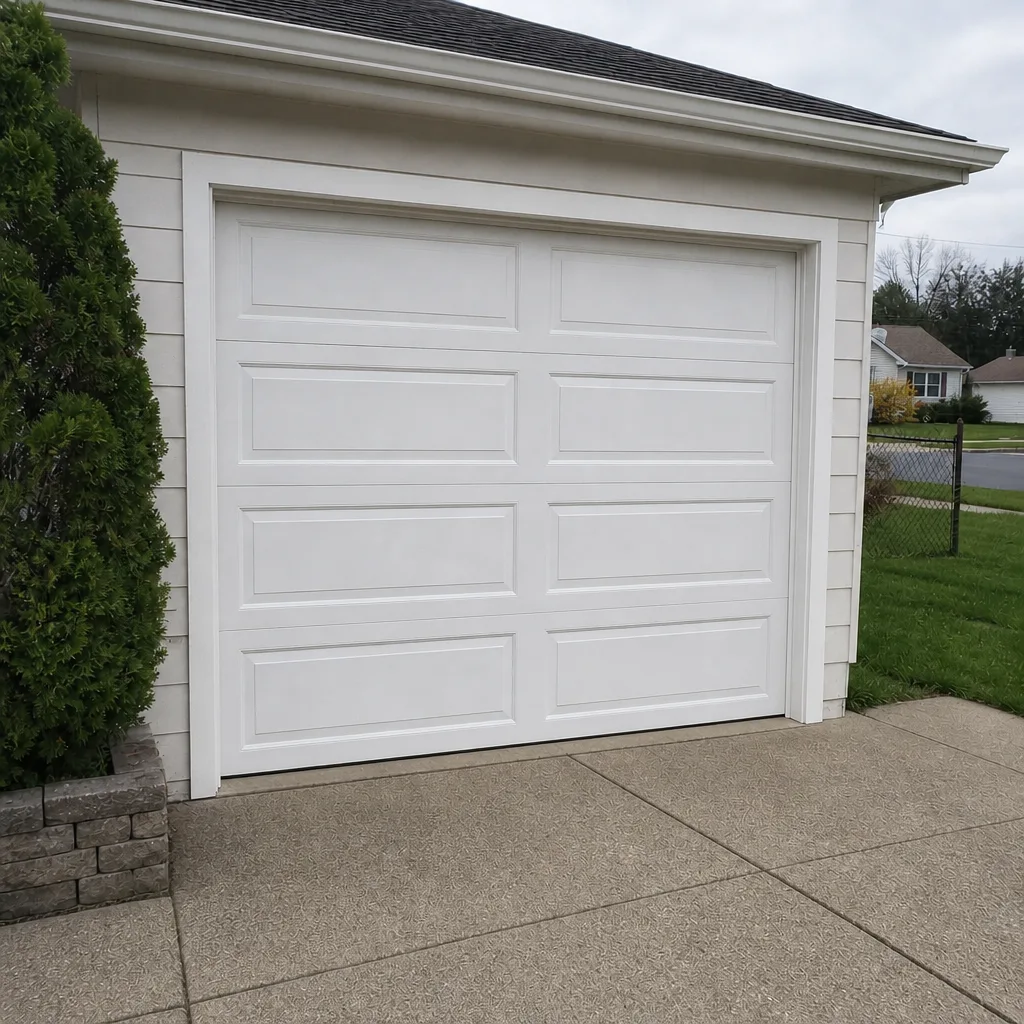 After
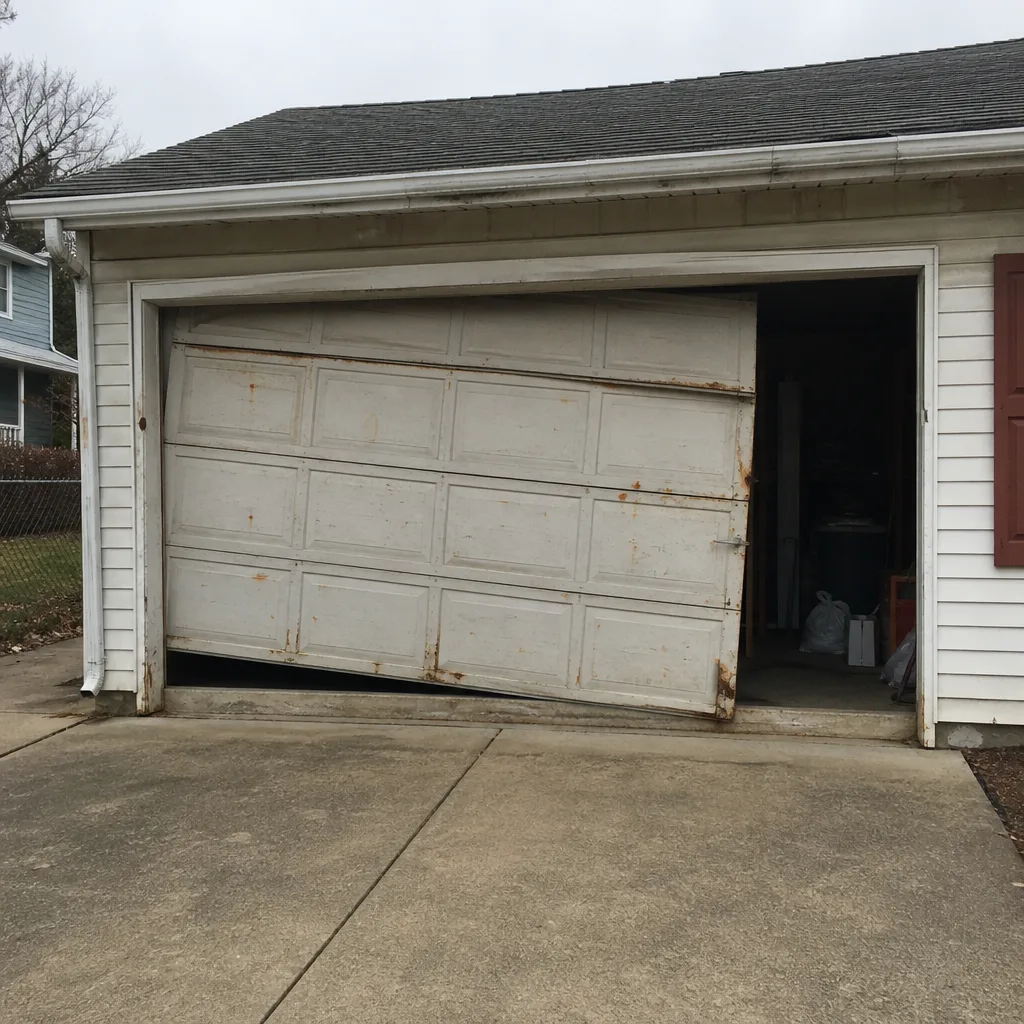 Before
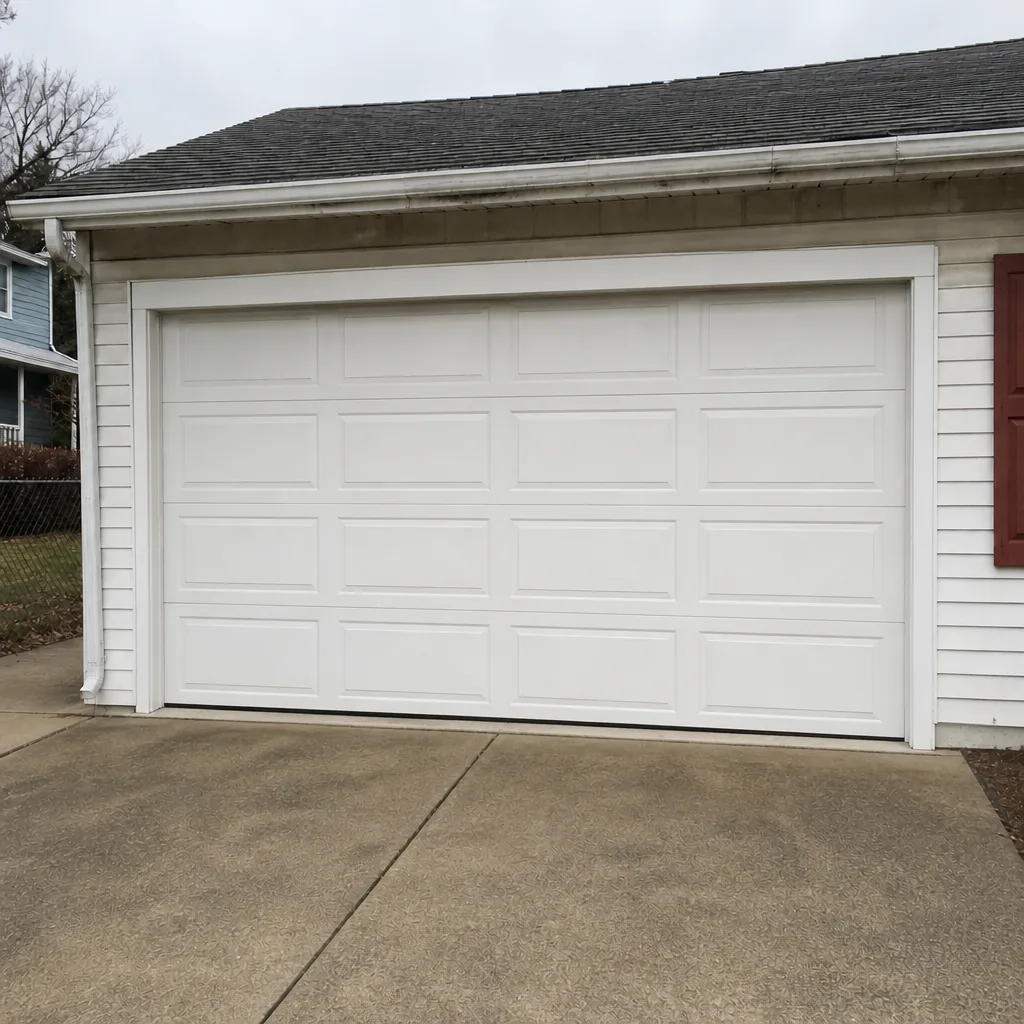 After
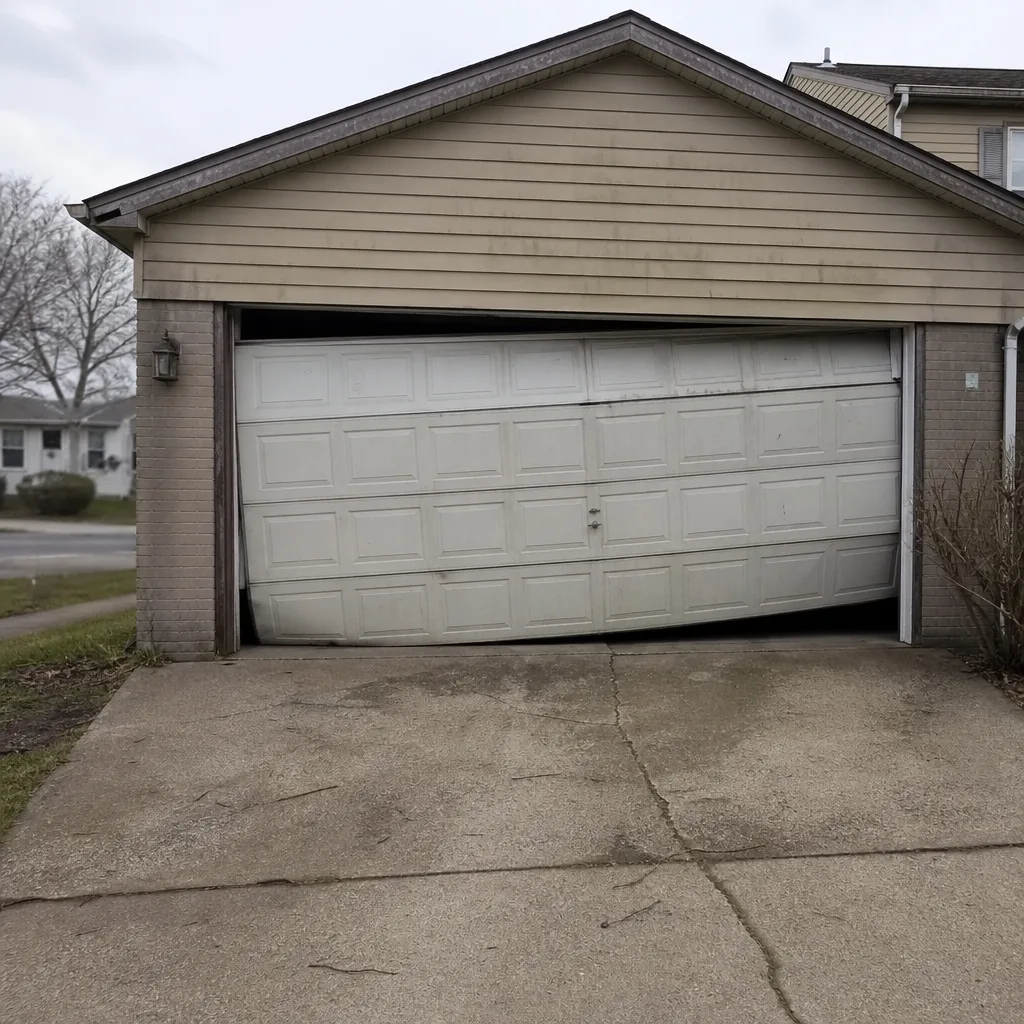 Before
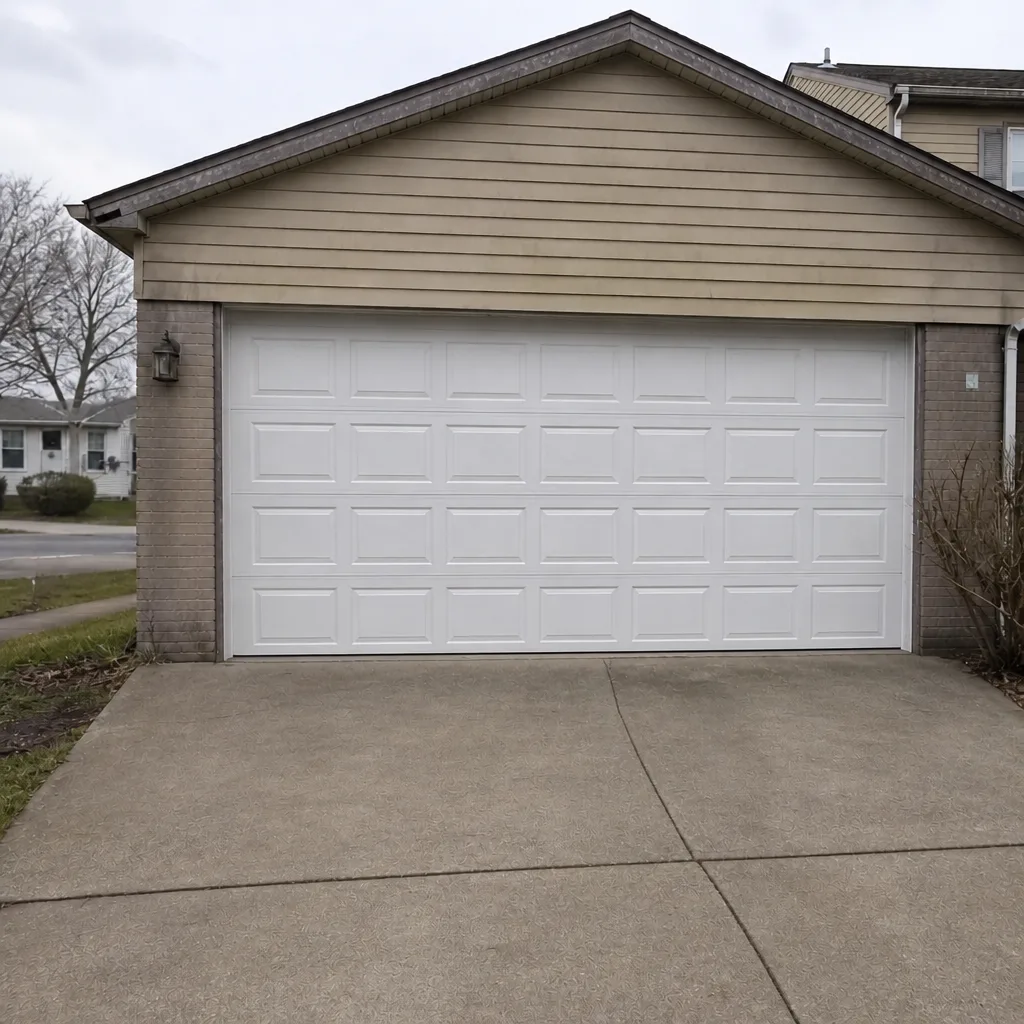 After
When to Call a Professional
Some garage door problems are paperwork questions; some are safety calls. Call a professional if a spring has snapped or looks visibly stretched, if the door is off track or hanging unevenly, if the opener runs but the door doesn’t move, or if the safety reverse feature fails the standard test. Springs and cables are under extreme tension and can cause serious injury, so they’re not a homeowner repair. Electrical work on the opener circuit needs a licensed electrician, and any question about a structural change to the opening is a permit question for the building department. Woodbridge Garage Door Repair Co offers free estimates in Woodbridge Township, and our technicians have up to 15 years of experience with the brands already in local garages. Call (877) 820-9179 and we’ll tell you what the job involves and whether it’s a permit scope.
Frequently Asked Questions
Usually not, if the new door is the same size and type installed in the existing opening and no electrical work is added. You do need a permit if the project changes the opening’s dimensions, touches the structural header, converts a manual door to an automatic one with a new circuit, or adds outlets or lighting in the garage. Call the Woodbridge Township building department to confirm your specific scope. For a written estimate on a replacement, call (877) 820-9179; estimates are free.
Often yes, because a new opener frequently means a new or modified electrical circuit, and that requires an electrical permit and inspection. If the opener replaces an existing unit on an existing circuit, the electrical work may not need a permit, but confirm with the township. The door and opener installation itself is one part of the job; the panel work is another. Call (877) 820-9179 to discuss the installation side.
When a permit is filed, the inspection covers whether the work matches the approved plan and meets the applicable code: the framing and opening if they changed, the installation of the door and hardware, and the electrical connection to the opener if that was part of the scope. The inspector is not checking aesthetics or spring age. If you’re not sure whether your project will be inspected, call the building department and describe the scope.
It can, when a permitted project involves the wall between the garage and the conditioned living space, because that wall is part of the thermal envelope. A straight replacement on an existing attached-garage door usually doesn’t trigger it, but an alteration or conversion can. The correct insulation value depends on your project and the code edition in force, so settle it with your contractor and the Woodbridge Township building department. Call (877) 820-9179 for a door-side consultation.
It often does, because a buyer’s inspector checks the panel and the garage wiring and asks for records when they can’t find them. That turns a small documentation gap into a closing delay. The fix is usually a retroactive electrical permit and inspection, not demolition. Keep your permits, invoices, and photos, and you’ll have the answer before the question comes.
Some can, but who files depends on the scope. The door contractor may handle a building permit for an alteration, while the electrical permit belongs to the licensed electrician doing that work. Ask each party up front who is filing what, and get it in writing. Woodbridge Garage Door Repair Co can tell you which scope applies before work starts. Call (877) 820-9179.
The Bottom Line
In Woodbridge Township, a like-for-like garage door replacement generally clears without a permit, and that’s where most projects land. The moment you widen the opening, touch the header, add an opener circuit, or convert the space, you’re in building department territory: a permit, an inspection, and, if the attached-garage envelope is involved, an energy code conversation. The paperwork is the job. Get the category right, keep the door contractor on the door and the electrician on the panel, and put the invoice, spec sheet, and photos in a file for resale. That’s the whole difference between a clean close and a flagged inspection. If you’re ready to move, call Woodbridge Garage Door Repair Co at (877) 820-9179 for a free estimate on the door side of your project.
Written by the team at Woodbridge Garage Door Repair Co.