Last updated November 23, 2026
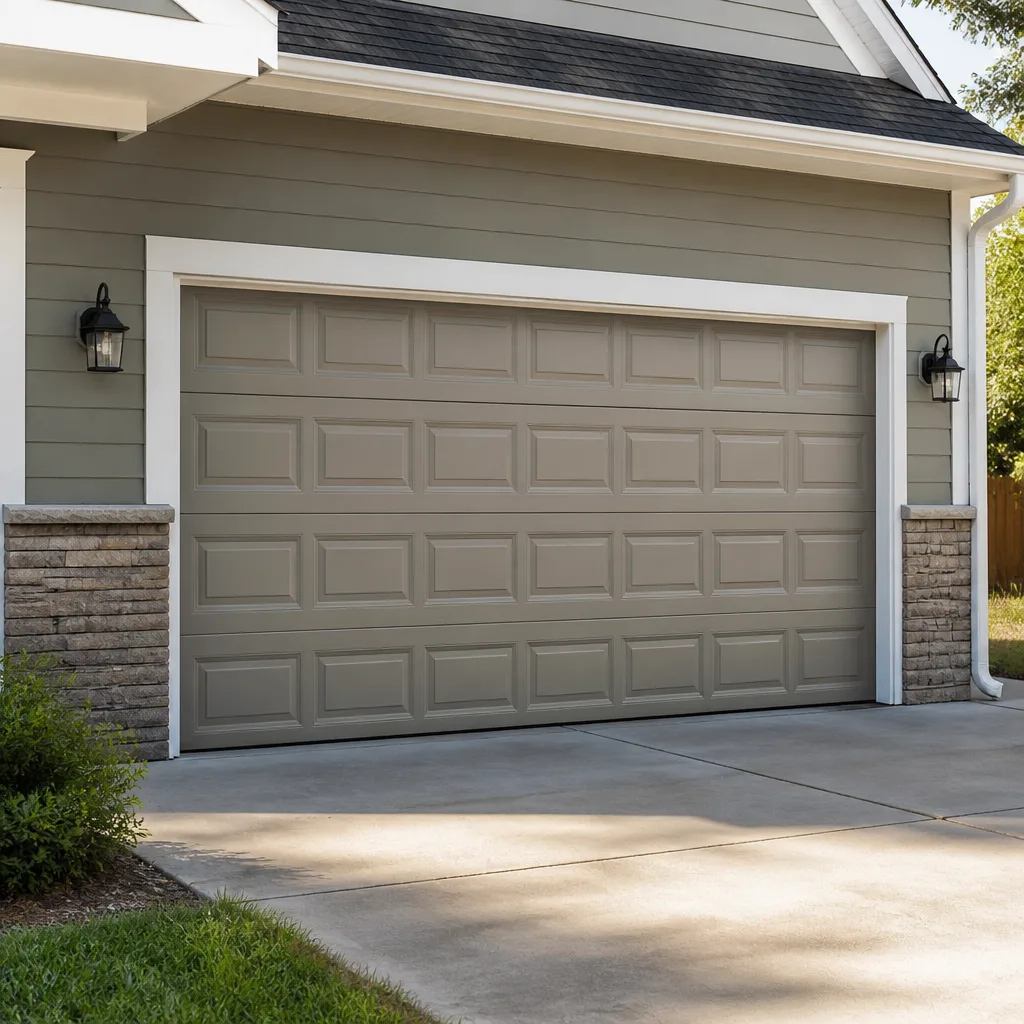 Raised-panel steel
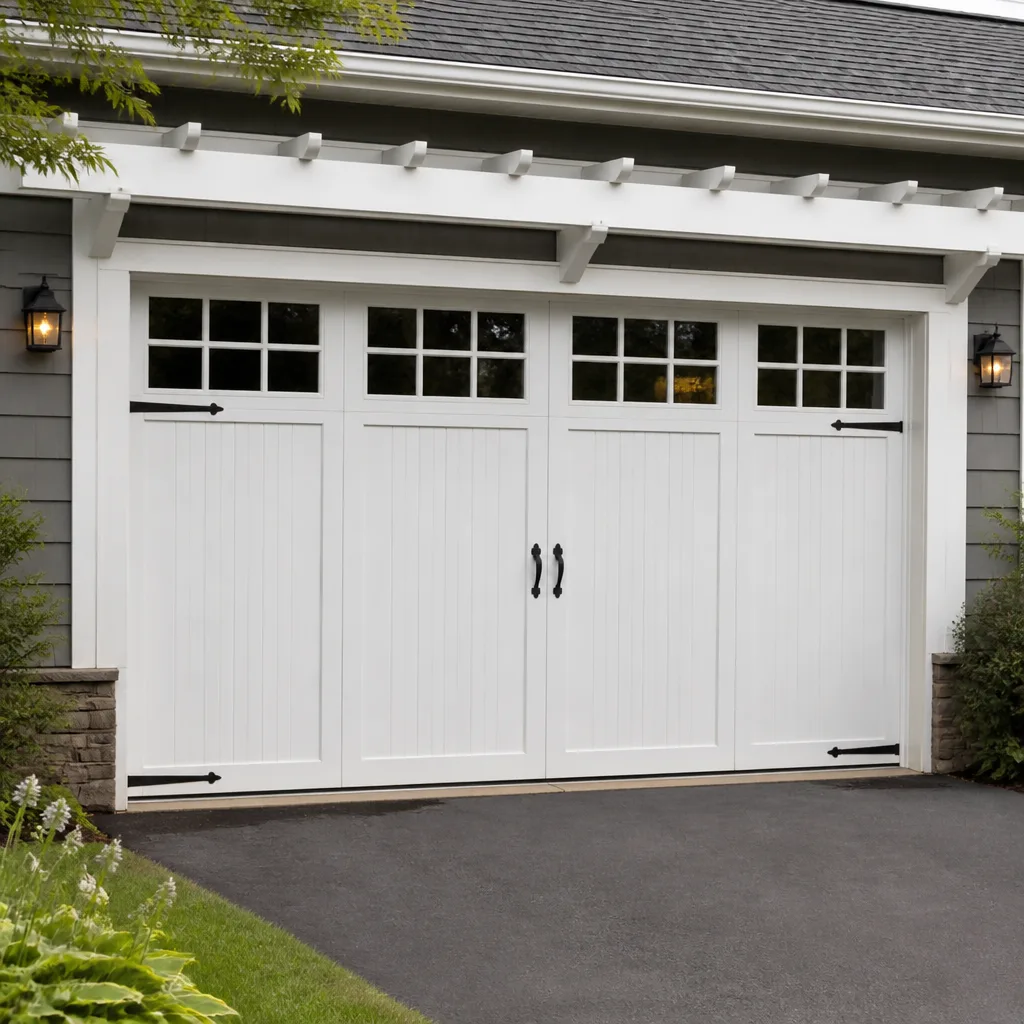 Carriage house
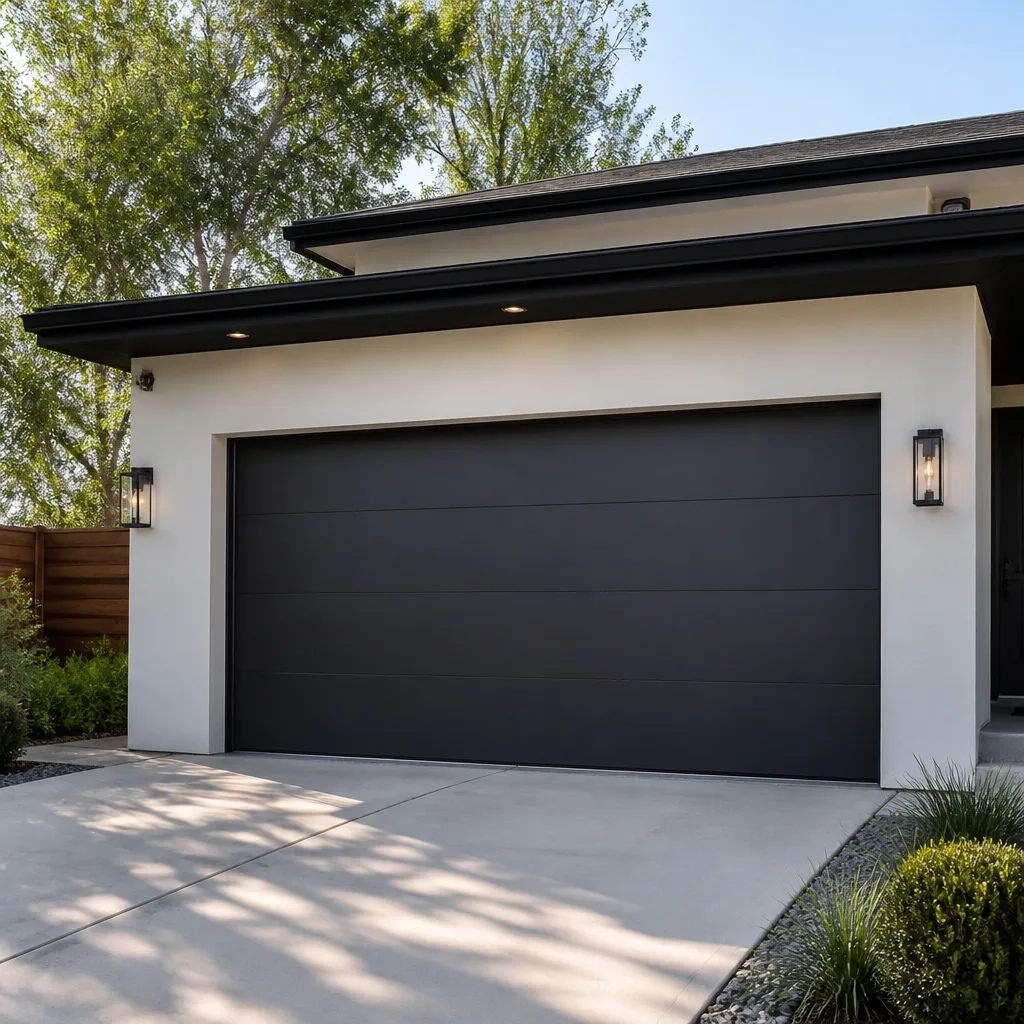 Modern flush
 Full-view glass
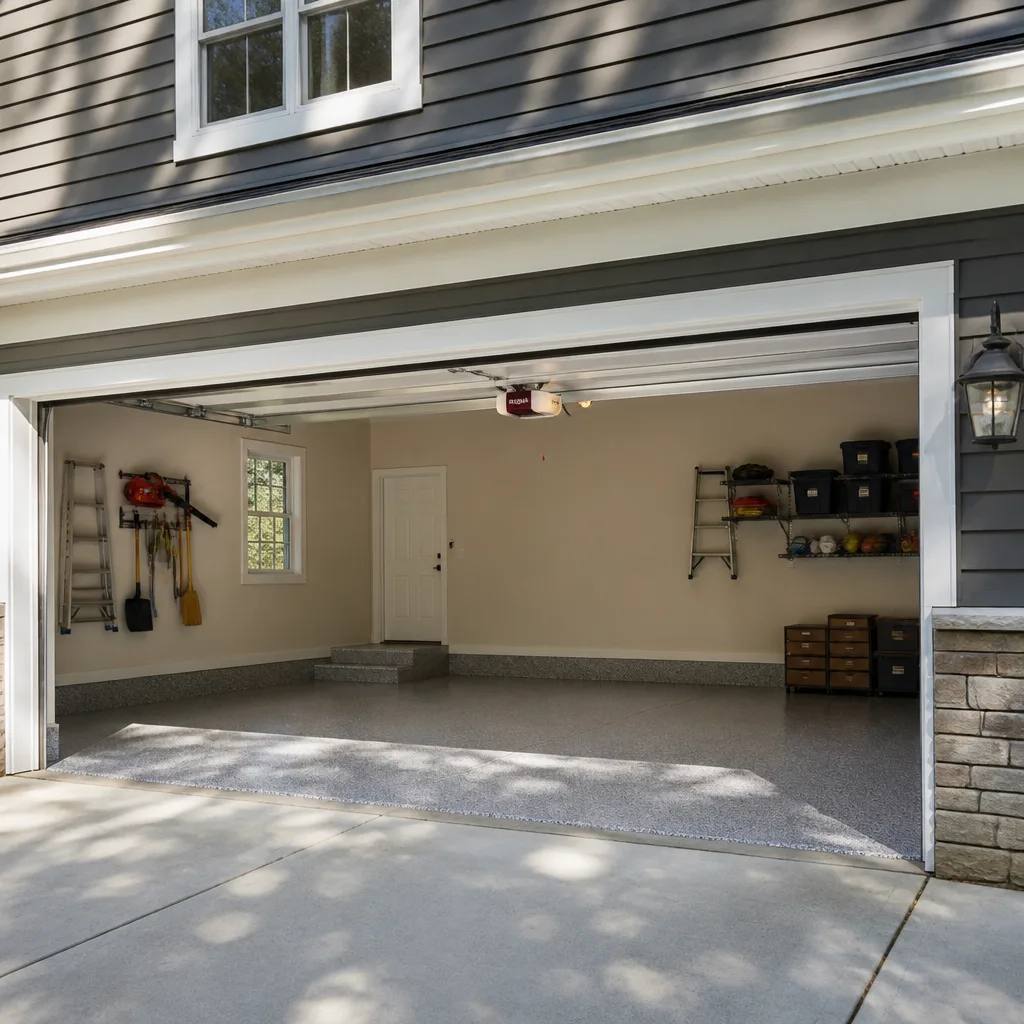 LiftMaster openers
 Chamberlain openers
Full 25-point door and opener safety check with every visit - springs, cables, rollers, tracks, and your LiftMaster or Chamberlain opener included
You get a price before we start. It does not change when the pro arrives.
Get your free estimateGarage Door Repair Maintenance Schedule: What to Do and When
Garage door springs are rated for roughly 10,000 cycles. If you open your door four times a day, you’ll reach that limit in under seven years, and most homeowners have no idea where they are in that countdown. Here’s the part that surprises people: a single annual tune-up doesn’t reset that clock. A residential door runs on 12 to 15 moving parts, and they wear at completely different rates. Rollers, hinges, cables, weather seal and the opener drive each need attention on their own timeline. What follows is the exact tiered schedule we use in Woodbridge Township to match inspection frequency to each component’s real wear cycle, so nothing gets quietly neglected for years.
Quick Answer
A garage door needs a 15-second visual and balance check every month, lubrication every three to six months, and a full hardware inspection twice a year. Springs and cables should be evaluated by a professional every year because they’re the parts that fail dangerously. Heavy seasonal tasks in Woodbridge Township fall in late fall (pre-winter lubrication) and late summer (hardware tightening after the heat and humidity).
Styles & brands we work with
- Raised-panel steel
- Carriage house
- Modern flush
- Full-view glass
- LiftMaster openers
- Chamberlain openers
Table of Contents
- Why One Annual Tune-Up Isn’t Enough
- Component-by-Component Wear Cycles
- The Monthly 15-Second Test (No Tools Needed)
- Seasonal Tasks for the NJ Climate
- The Right Lubricants (and What Never to Use)
- Building a Maintenance Log That Works for You
- Springs and Cables: Why These Need a Professional
- Common Mistakes to Avoid
Why One Annual Tune-Up Isn’t Enough
The annual tune-up is the most oversold idea in garage door care. It feels thorough because a technician shows up, sprays some lubricant, tugs the door, and hands you a bill. But the parts inside your door don’t all live on the same calendar. Your torsion springs work through a full revolution every time you open the door. Your nylon rollers roll thousands of feet a year. Your weather seal just sits there until it cracks. Treating all of them on one yearly visit means some parts get checked too often and others get checked far too late.
Think about the failure pattern we see in Woodbridge Township. A door that’s been “tuned up” every year still snaps a spring at year seven because nobody was tracking cycle count. A hinge wears oval because it was never tightened after a humid summer. A bottom seal crumbles because no one looked at it between annual visits. The parts that fail aren’t the ones that get the most attention. They’re the ones on the longest gap between inspections.
The fix is a tiered schedule. Instead of one blanket appointment, you match the frequency of inspection to the actual wear rate of each component. Springs and cables get professional eyes every year. Lubrication happens every three to six months. The monthly test catches sudden failures. Seasonal tasks line up with the New Jersey weather that stresses each part the most. This is how professionals who repair garage doors think about the equipment, and it’s how you should think about yours.
Component-by-Component Wear Cycles
Not every part of a garage door needs the same attention interval. Here’s how the wear cycles break down, and how often each component deserves a look. Use this as your master reference.
- Torsion springs: Rated around 10,000 cycles. Inspect visually every month, professionally every year. Replace as a matched pair when one fails.
- Cables: Fray and stretch under constant tension. Visual check monthly, professional inspection annually. Never handle a cable under load yourself.
- Rollers: Nylon or steel, they roll thousands of feet per year. Lubricate every three to six months, replace when flat-spotted or noisy, typically every few years.
- Hinges: Wear at the pivot points and loosen with vibration. Lubricate and check tightness every three to six months, expect replacement on heavily used doors over time.
- Weather seal: The bottom seal and side seals take the brunt of temperature swings. Inspect every season, replace when cracked or stiff.
- Opener drive: Belt, chain or screw. Inspect tension and lubrication every six months, listen for new sounds between checks.
- Tracks: Rarely wear out but easily knocked out of alignment. Check for bends and debris monthly.
Look at the spread. The weather seal needs seasonal attention. The springs need a professional once a year. The opener drive wants a check every six months. If you’re only doing one annual visit, several of these are getting missed for months or years at a stretch. That’s the gap this schedule closes.
The Monthly 15-Second Test (No Tools Needed)
You don’t need to be handy to catch most failing doors early. A monthly routine that takes about 15 seconds will flag the majority of problems before they leave you stuck. Do it the same day each month so you don’t forget. Here’s the sequence.
- Look at the springs. Stand inside the garage and look up at the torsion bar. Any visible gap in a coil, or a spring that looks stretched and separated, is a warning sign.
- Listen for new sounds. Open and close the door once and pay attention. Grinding, squealing, popping or a loud bang at the start or end of travel all mean something.
- Watch the travel. The door should rise and fall smoothly and evenly. If one side lags, or the door looks crooked, stop using it.
- Run the balance test. Disconnect the opener (pull the release handle with the door closed), lift the door halfway by hand, and let go. A balanced door should hold roughly in place. If it slams down or drifts up, the springs are out of adjustment.
- Check the reversal. Lay a small object like a roll of paper towels in the door’s path and close it. The door should reverse on contact. If it doesn’t, the safety system needs professional attention.
That’s the whole test. It costs nothing, uses no tools, and it’s the single most effective habit you can build. When we get a call about a door that suddenly won’t open in Woodbridge Township, the homeowner often says they heard a strange noise for weeks and ignored it. The monthly test is how you catch that noise while it’s still cheap to fix. Anything you find in steps 1 through 5 that doesn’t settle down points you toward garage door opener repair or a spring evaluation.
Seasonal Tasks for the NJ Climate
New Jersey’s swings between humid summers and cold, wet winters put specific stress on garage door hardware. The right tasks land in the right seasons. Here’s the calendar we’d recommend for any home in Woodbridge Township, from Iselin to Colonia to Fords.
Late Fall: The Pre-Winter Lubrication Protocol
Before the first hard freeze, lubricate every moving pivot: rollers, hinges, and the spring coils. Cold thickens lubricant and stiffens the seals, so a door that ran fine in October can drag in January. Wipe off old grease first, then apply a light coat to each hinge pivot and roller bearing. Pay attention to the bottom seal, which takes the most cold. A dry, cracked seal lets in cold air and water all winter. This is the single most valuable maintenance block of the year in our climate.
Late Summer: The Post-Humidity Hardware Tightening
Summer humidity and heat expansion loosen hardware. After the worst of the summer has passed, go around with a socket wrench and check that every hinge bolt and track bracket is snug. Don’t overtighten; strip a bolt and the metal bracket loosens permanently. This is also the right time to check the rollers for flat spots and the weather seal for sun damage. Fall rain finds every gap a summer crack created.
Spring and Mid-Winter: Inspect and Adjust
Spring is your post-winter inspection. Look for salt and grit in the tracks, and clear them before they grind the rollers. Mid-winter, focus on the seal and the door’s smooth travel; frozen ground and stiff parts make problems show up fast. If you see anything that concerns you, calling a specialist early beats waiting for a full failure in the middle of a cold snap. That’s when our emergency garage door service gets the most calls in Woodbridge Township.
The Right Lubricants (and What Never to Use)
Lubricant choice matters more than most homeowners think. The wrong spray can dry out, attract grit, or leave your springs worse off than before. Here’s what to use and what to leave on the shelf.
What to Use
- White lithium grease on hinge pivots, roller bearings and the opener’s chain or screw drive. It clings and won’t run off.
- Silicone spray on the tracks and weather seals. It lubricates without attracting dust and won’t degrade rubber.
- Purpose-made garage door lubricant on torsion springs. A light, non-gumming product is what you want here.
What Never to Use
- WD-40 on springs. This is the most common mistake we see. Standard WD-40 is a solvent and light water displacer, not a lasting lubricant. It dries out and can actually strip the protective coating from a spring, leaving it more exposed.
- Cooking spray or household oil. They gum up, attract dirt, and turn into sticky residue that makes the door harder to move.
- Heavy grease on rollers. It collects grit and can make rollers bind instead of roll.
One practical note: lubricating a spring doesn’t recover a spring that’s already fatigued. It slows wear and quiets the door. When a spring approaches its cycle life, no amount of lubricant saves it. That’s why annual professional inspection matters alongside your own lubrication routine. If a spring looks cracked or the door feels unbalanced, that’s a job for garage door spring repair, not a spray can.
Building a Maintenance Log That Works for You
A maintenance log sounds like busywork until you need it. When a warranty claim is on the line, or a technician asks what the door’s been doing for the past two years, a simple written record answers the question in seconds. Here’s how to build one that actually gets used.
- Make a one-page sheet. Columns for date, task done, and notes. Keep it on the inside of the garage door frame or in a phone note. Paper taped to the wall gets used; an elaborate spreadsheet doesn’t.
- Log every monthly test. A single line per month: “Good,” “Squeak on left side,” or “Balance off.” Month-to-month patterns are where diagnosis starts.
- Record cycle count if you can estimate it. Note roughly how many times a day the door opens. Multiply out over time and you’ll know when you’re closing in on the 10,000-cycle mark on your springs.
- Note every professional visit. What was inspected, what was replaced, and the brand and model of the door and opener. When you have a LiftMaster or Chamberlain opener, that info saves time on the next service call.
- Keep receipts and written estimates. A written estimate is the price, so hold on to it. It’s your record of what was agreed and it backs up any future warranty conversation.
The log doubles as a weather diary. If you notice your door is stiff every January and fine by April, that’s a lubrication and seal story, and the log proves it. In our experience, a homeowner with a year of notes gets a faster, more accurate diagnosis than one who says “it’s been acting up lately” with no timeline. That’s worth the thirty seconds a month.
Springs and Cables: Why These Need a Professional
Springs and cables are the two parts of your garage door that can genuinely hurt you, and they’re the two parts your monthly check should look at but never touch. A torsion spring stores enormous energy. If it’s under tension and a technician or a homeowner does something wrong, the result can be serious injury. A snapped spring is loud and dangerous. A cable that releases under load can whip. This is not a place for DIY curiosity.
That’s why the schedule puts springs and cables in the professional column, inspected every year. Look at them, listen for problems, and stop using the door if you see a gap, crack or frayed cable. Don’t spray them as a fix and don’t try to adjust the tension yourself. We work on garage doors every day, and spring replacement is a core competency for a reason: it requires the right tools, the right technique, and a trained eye for matched pairs. A door opens on a matched pair of springs, and when one fails the other is usually near the end of its life too. Replacing one and leaving the other is how you end up back under the door a few months later. When your annual inspection flags springs, replacement is a two-spring job done right.
If you’re ever unsure whether a spring or cable is safe, treat the door as out of service until a professional looks at it. Our technicians have up to 15 years of experience with springs and cables on every major brand we service.
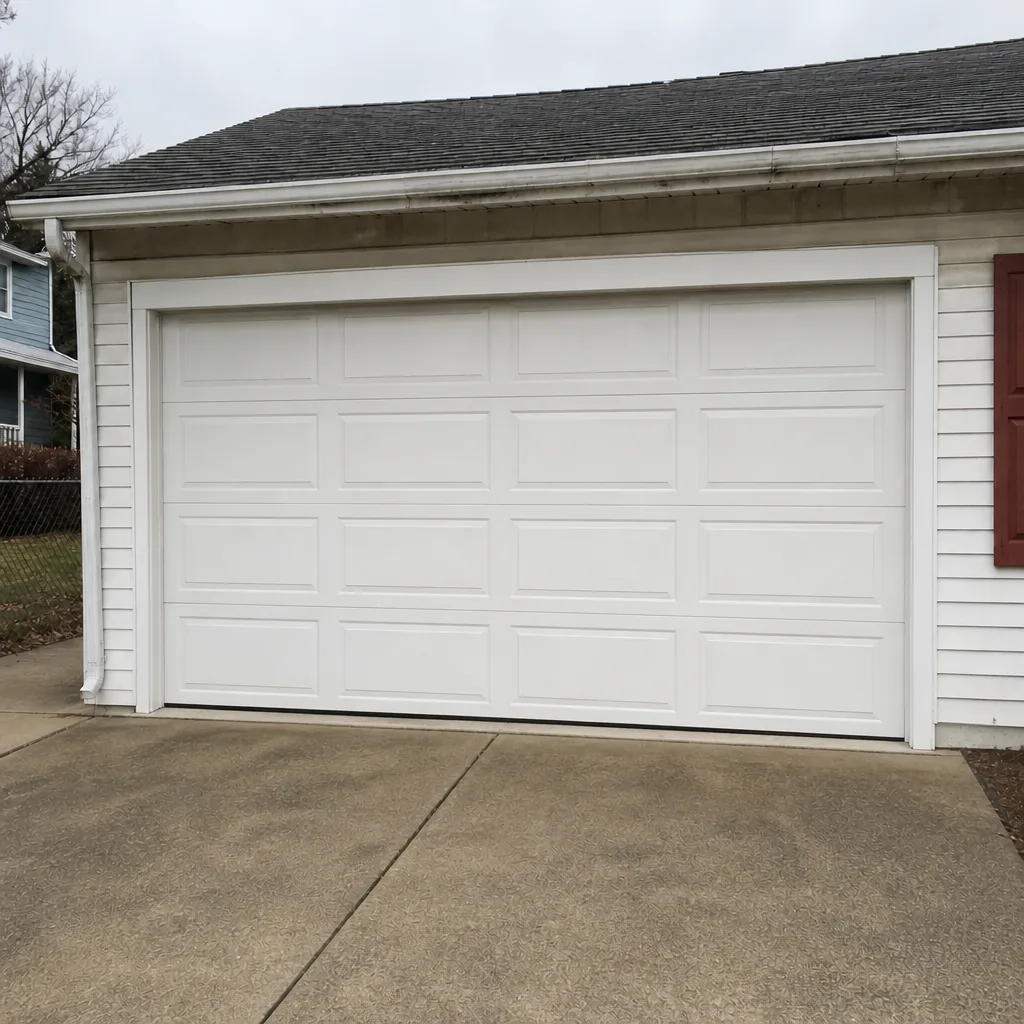
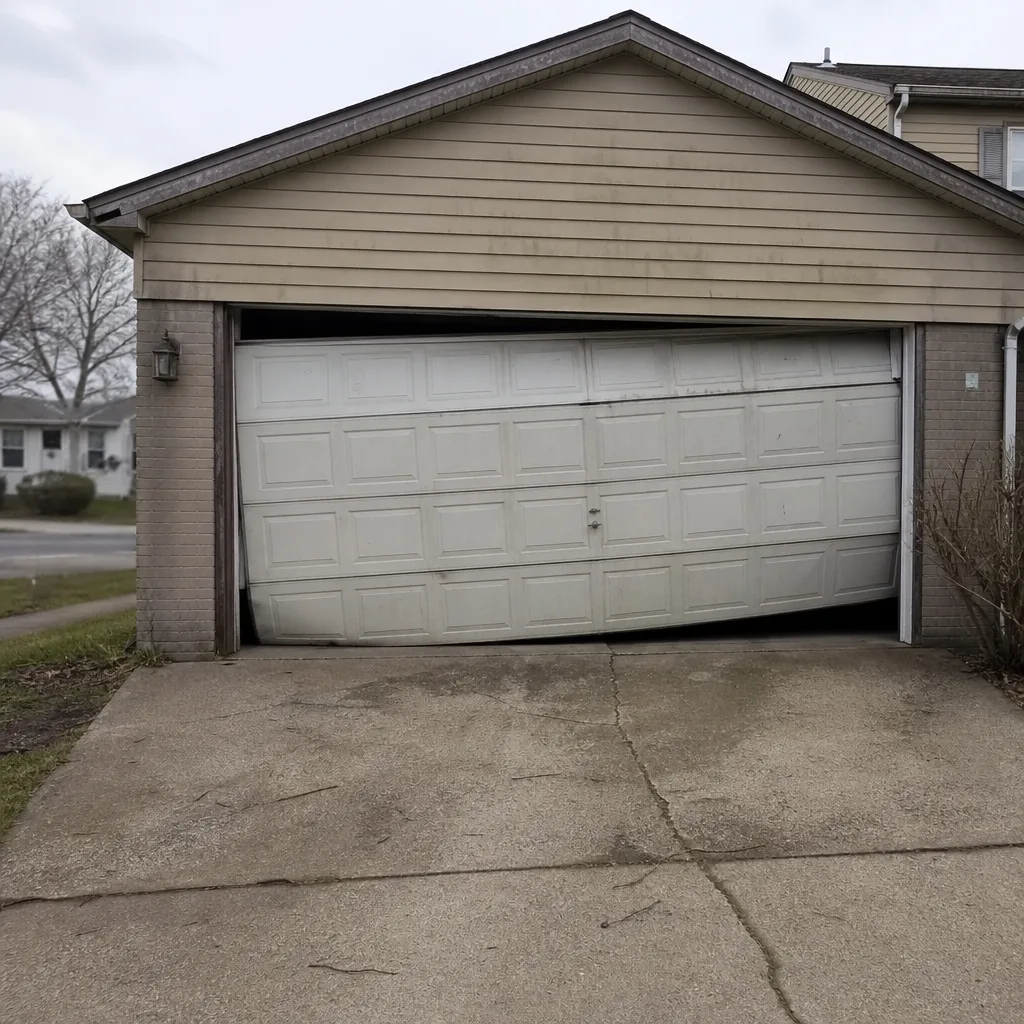
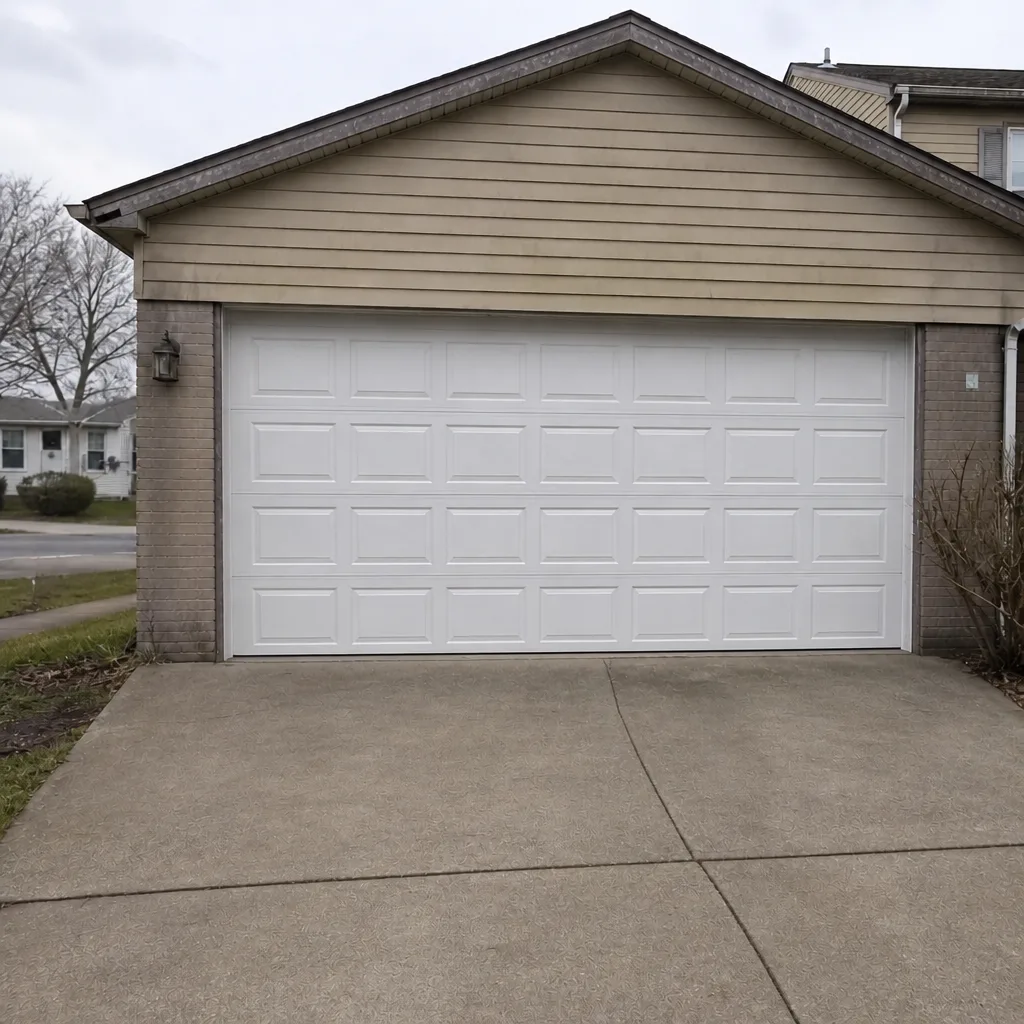
See the difference
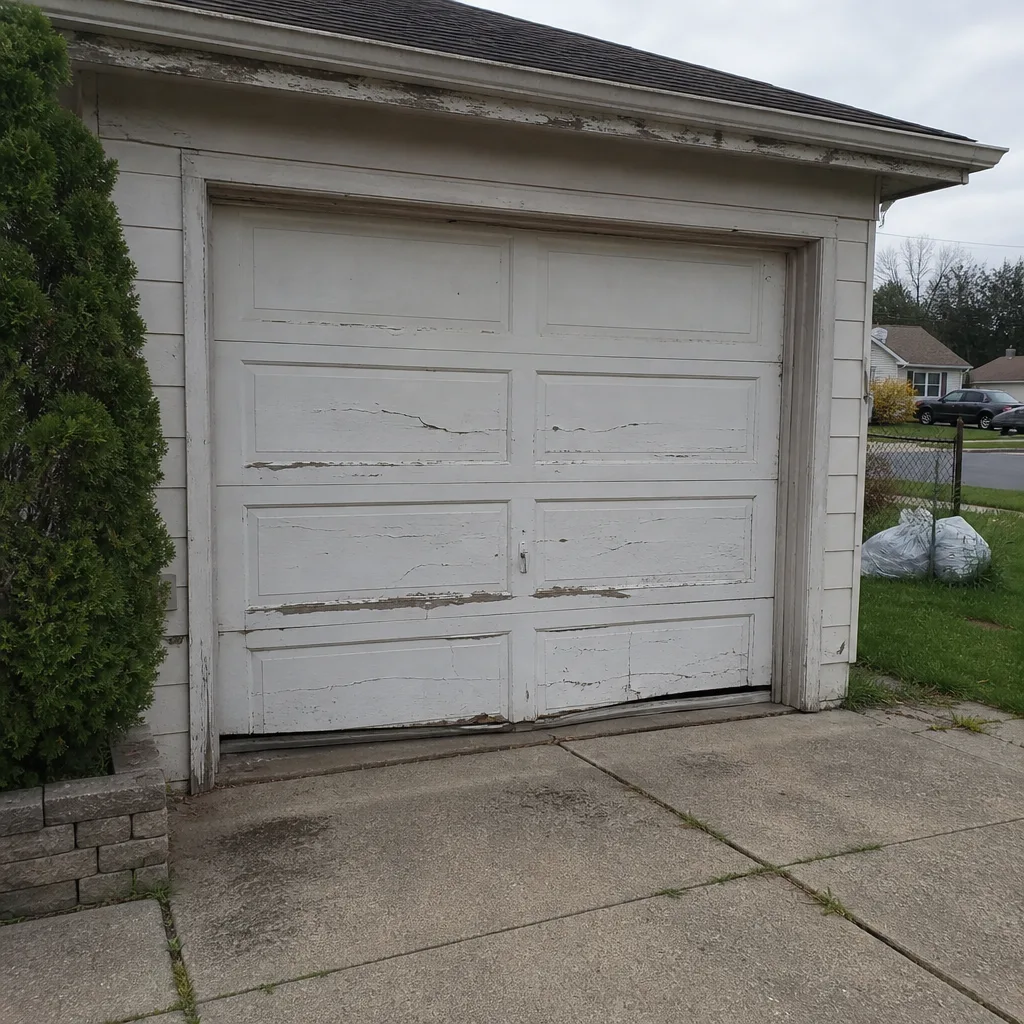 Before
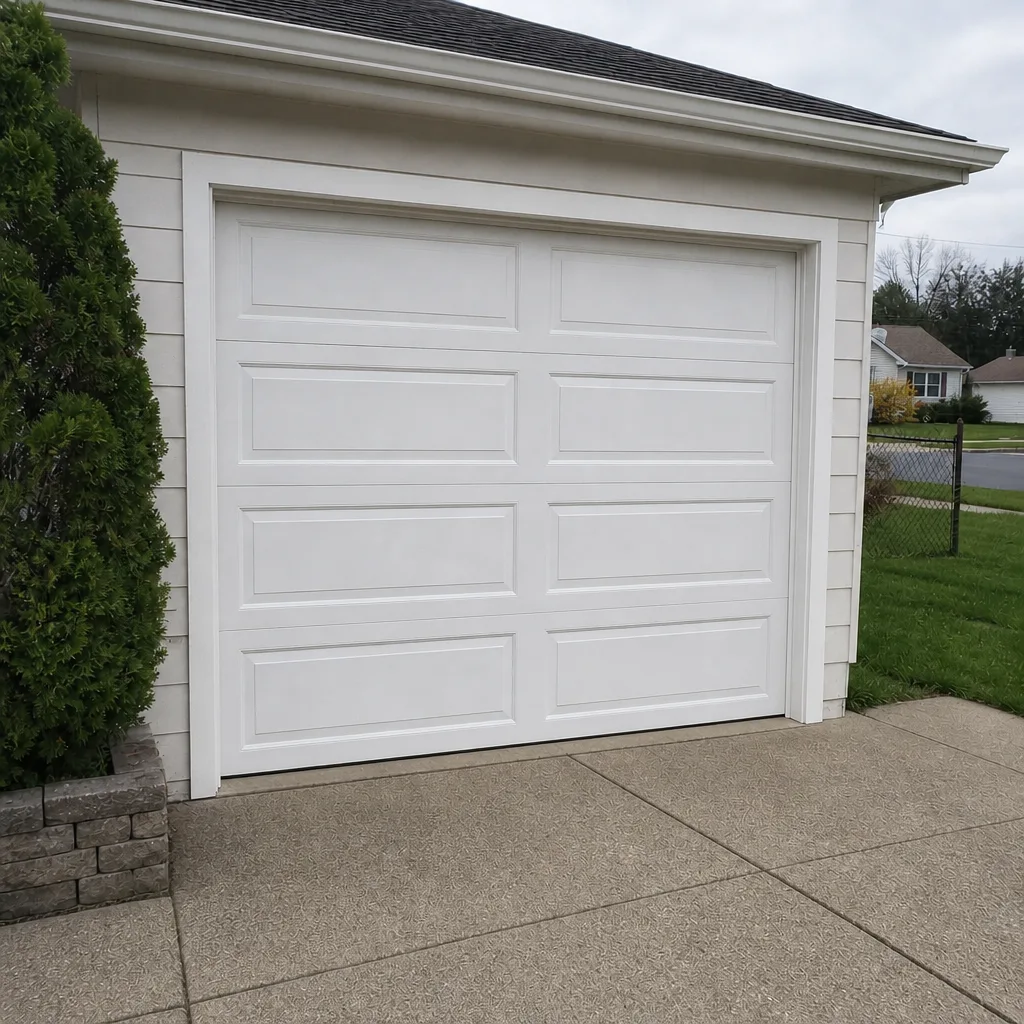 After
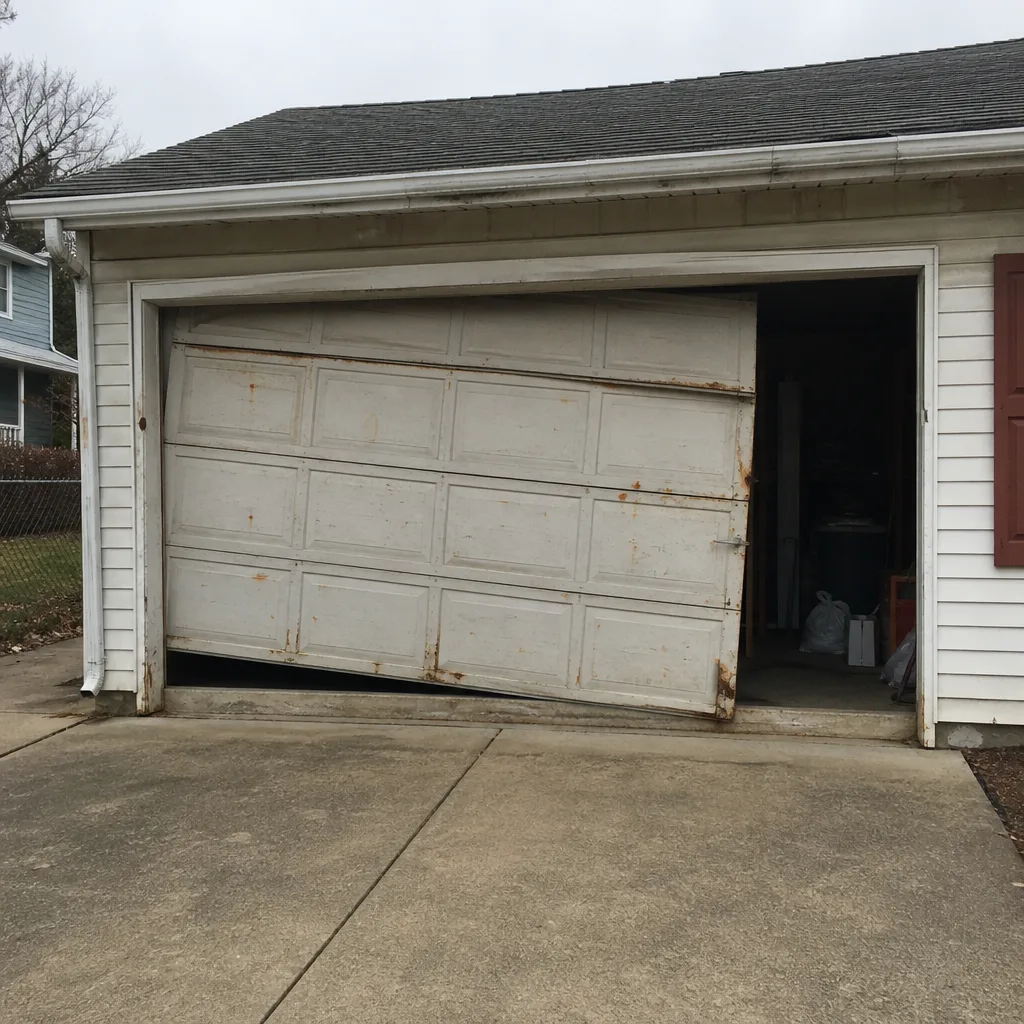 Before
 After
 Before
 After
Frequently Asked Questions
A garage door should be checked every month by the homeowner, lubricated every three to six months, and inspected by a professional once a year for springs and cables. That tiered schedule matches the actual wear rate of each part better than a single annual tune-up.
Run a 15-second visual and balance test every month: look at the springs, listen for new sounds, watch the door travel evenly, test the balance with the opener disconnected, and check that the door reverses on contact. No tools needed, and it catches most problems early.
Use a purpose-made garage door lubricant or white lithium grease on springs, and never standard WD-40. WD-40 is a solvent, not a lasting lubricant; it dries out and can strip the protective coating from the spring. Silicone spray is better suited to tracks and seals.
No. Torsion springs store dangerous energy, and an untrained person can be seriously injured. Springs should always be replaced by a trained professional using proper tools.
New Jersey’s humid summers and cold, wet winters put extra stress on hardware. The humid months loosen hinges and track brackets, and the cold months stiffen seals and lubricant. That’s why the schedule puts pre-winter lubrication in late fall and hardware tightening in late summer here.
Yes, for repair calls in Woodbridge Township, we can often handle repair and opener work quickly, and we offer emergency garage door service for doors stuck open or shut. Installation and new-door jobs are measured, ordered and scheduled. Call (877) 820-9179 for a free estimate; the written price is agreed before any work starts.
Common Mistakes to Avoid
- Spraying WD-40 on springs. It’s the most common mistake we see. It dries out and doesn’t lubricate; use a purpose-made lubricant instead.
- Treating one annual tune-up as complete coverage. A single yearly visit misses components on shorter wear cycles, like hinges and rollers. Build the tiered schedule instead.
- Ignoring the monthly balance test. A door that doesn’t hold halfway is out of adjustment, and that stresses the opener and springs every single time it runs.
- Overtightening hardware after a humid summer. Snug is the goal; strip a bolt and the bracket loosens permanently. Tighten by feel, not by force.
- Skipping the pre-winter lubrication. In Woodbridge Township’s cold snaps, dry rollers and seals drag and crack. A fall lubrication block prevents it.
- Replacing one spring and leaving the other. Springs come in matched pairs and wear together. When one fails, both should be replaced at the same time.
- Not keeping a maintenance log. Without notes, you can’t tell a slow problem from a sudden one, and you lose your documentation for warranty claims.
When to Call a Professional
Call a professional whenever your monthly test turns up a spring gap, a frayed cable, a door that won’t balance or reverse, a door off its tracks, or a strange loud noise that doesn’t go away. Also call when the pro calendar says it’s time: the annual spring and cable inspection, and any hardware task you don’t feel comfortable doing yourself. Springs and cables are always a professional job; the rest you can often handle with the schedule above. Woodbridge Garage Door Repair Co offers free estimates in Woodbridge Township and will schedule around what actually needs doing, not a blanket tune-up. Call (877) 820-9179 for a free estimate and a written price before any work begins.
The Bottom Line
Your garage door has 12 to 15 moving parts wearing at different rates, so a single annual tune-up leaves half of them unattended. The right approach is a tiered schedule: a 15-second monthly test, lubrication every three to six months, professional spring and cable inspection once a year, and seasonal tasks tied to the New Jersey climate. Build a simple maintenance log so you can track patterns and back up warranty claims. Keep lubricating, keep testing, and let a trained professional handle springs and cables. Woodbridge Garage Door Repair Co works on the brand already in your garage, from LiftMaster to Genie, and our technicians have up to 15 years of experience. Call (877) 820-9179 for a free estimate, and we’ll get your door back up and running on a schedule that fits how you actually use it.
Written by the team at Woodbridge Garage Door Repair Co.