Last updated November 23, 2026
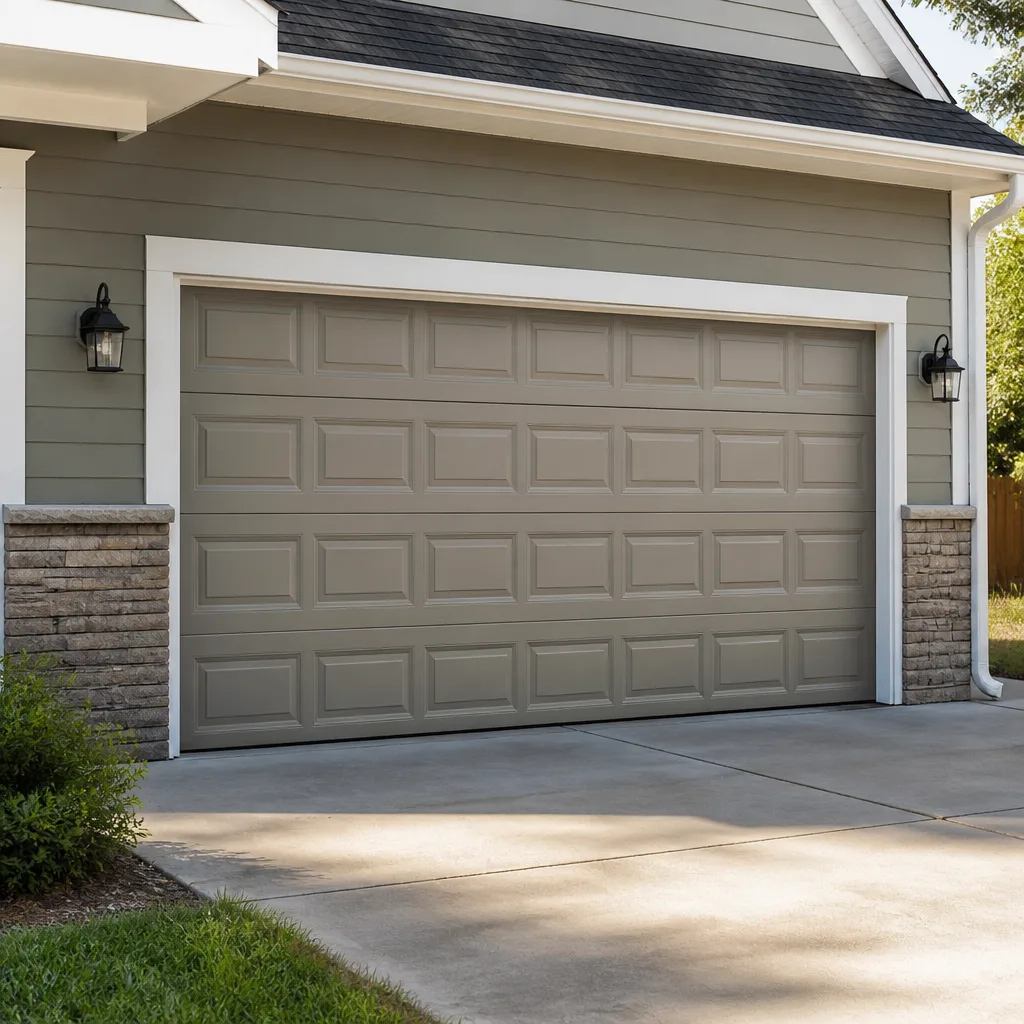 Raised-panel steel
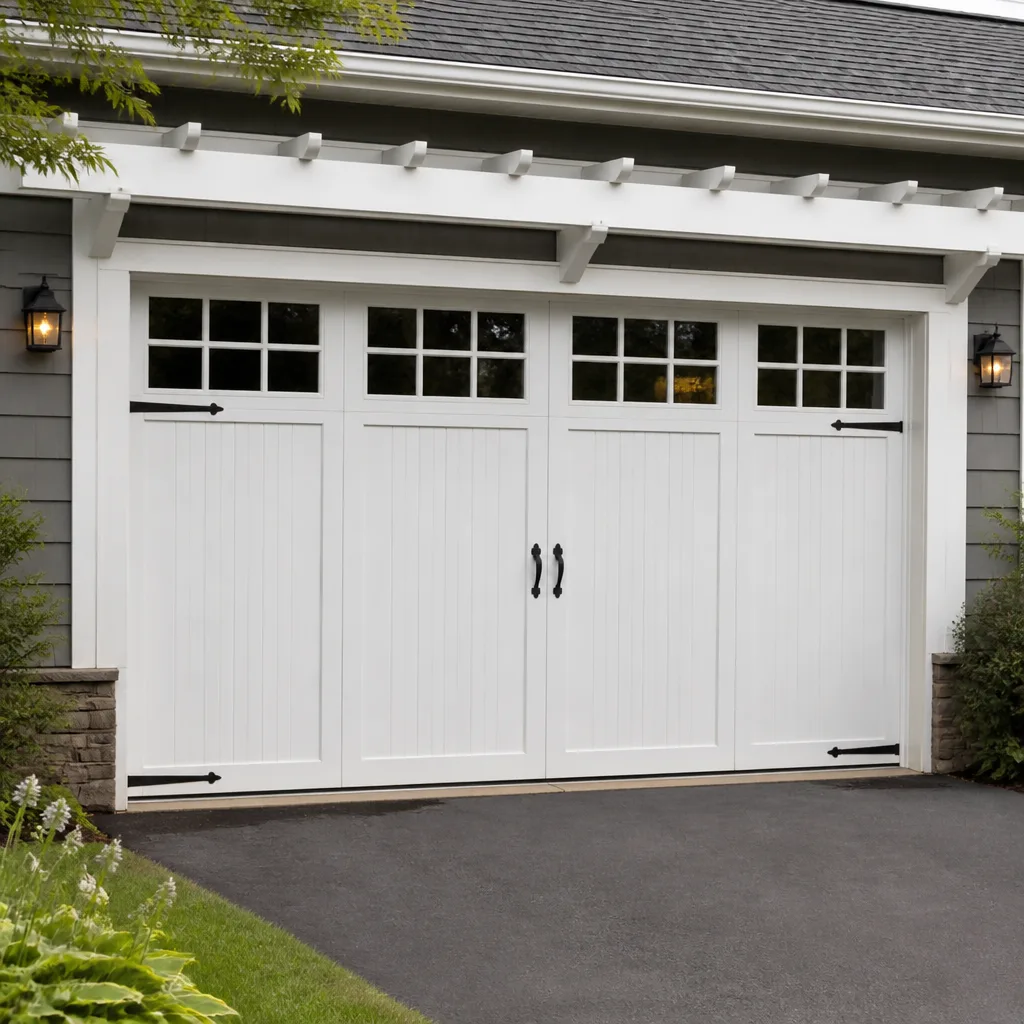 Carriage house
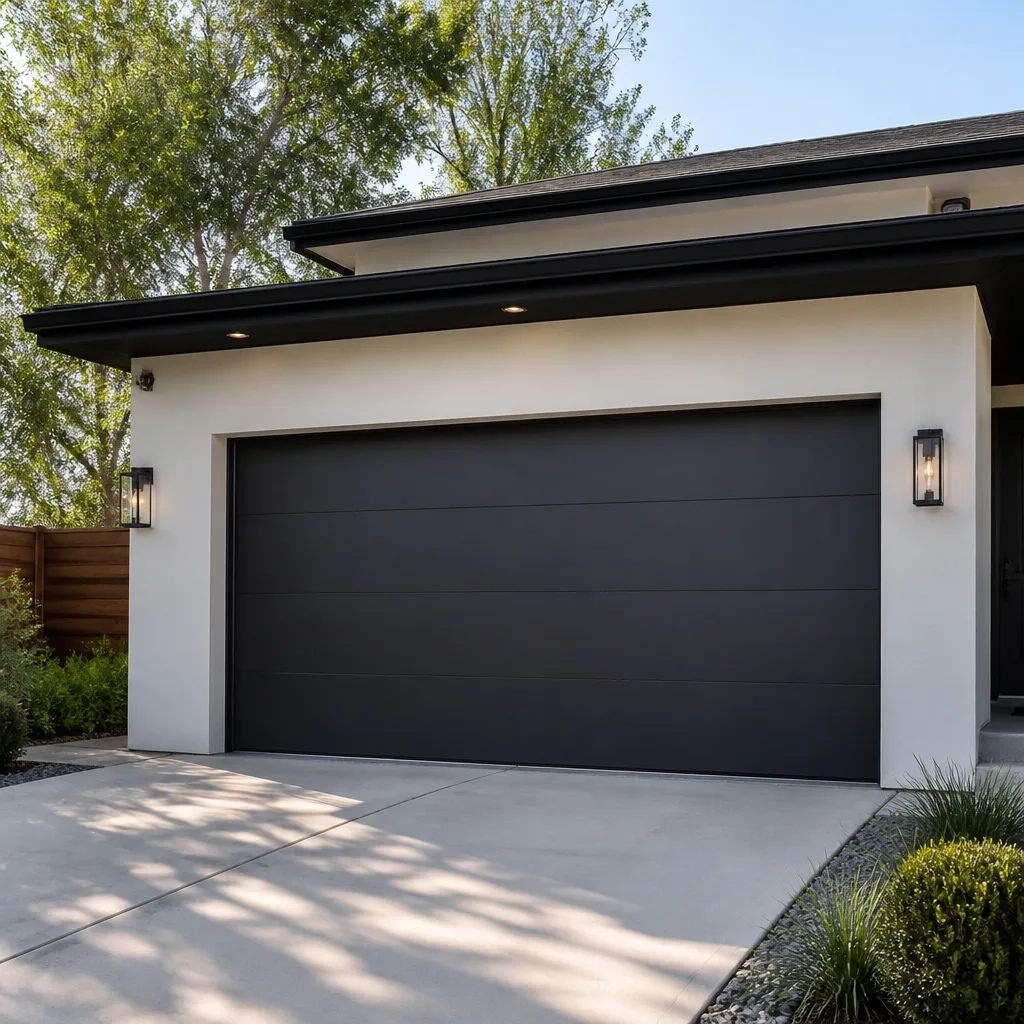 Modern flush
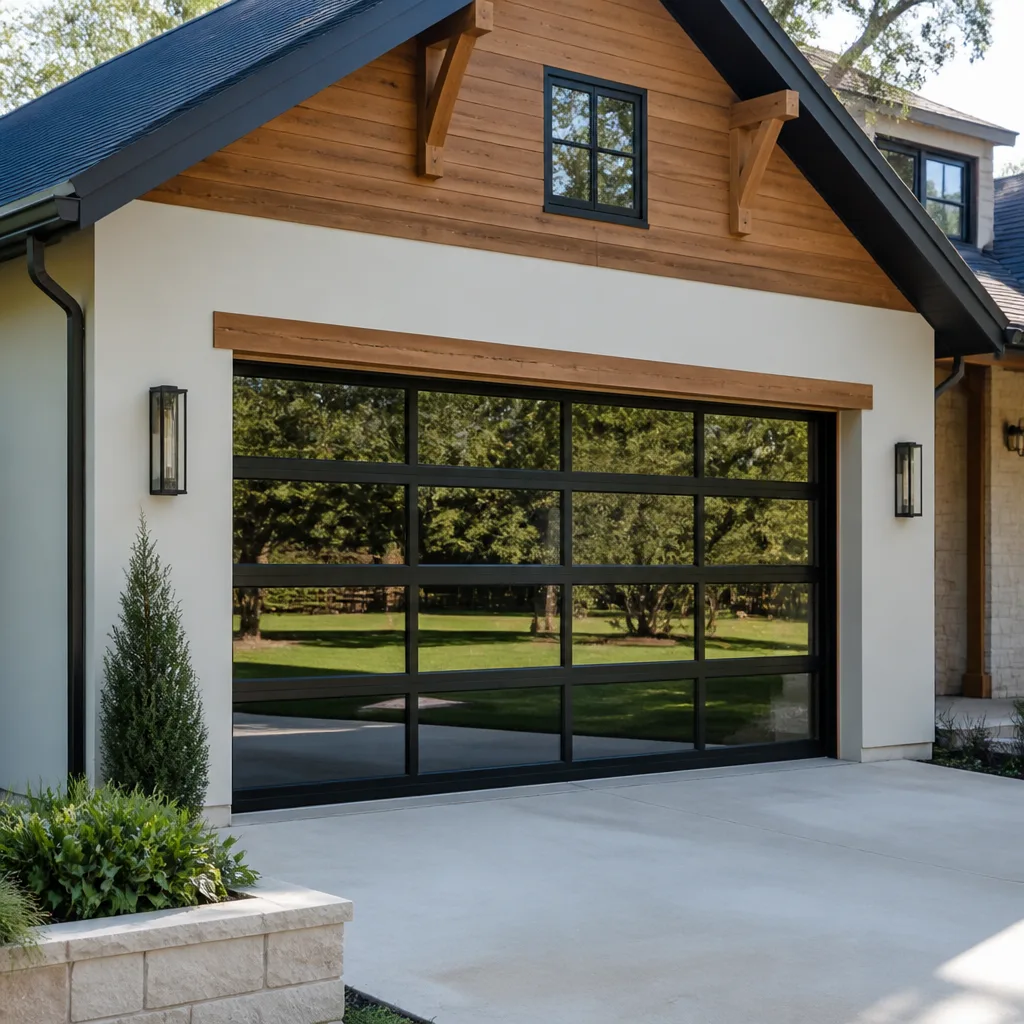 Full-view glass
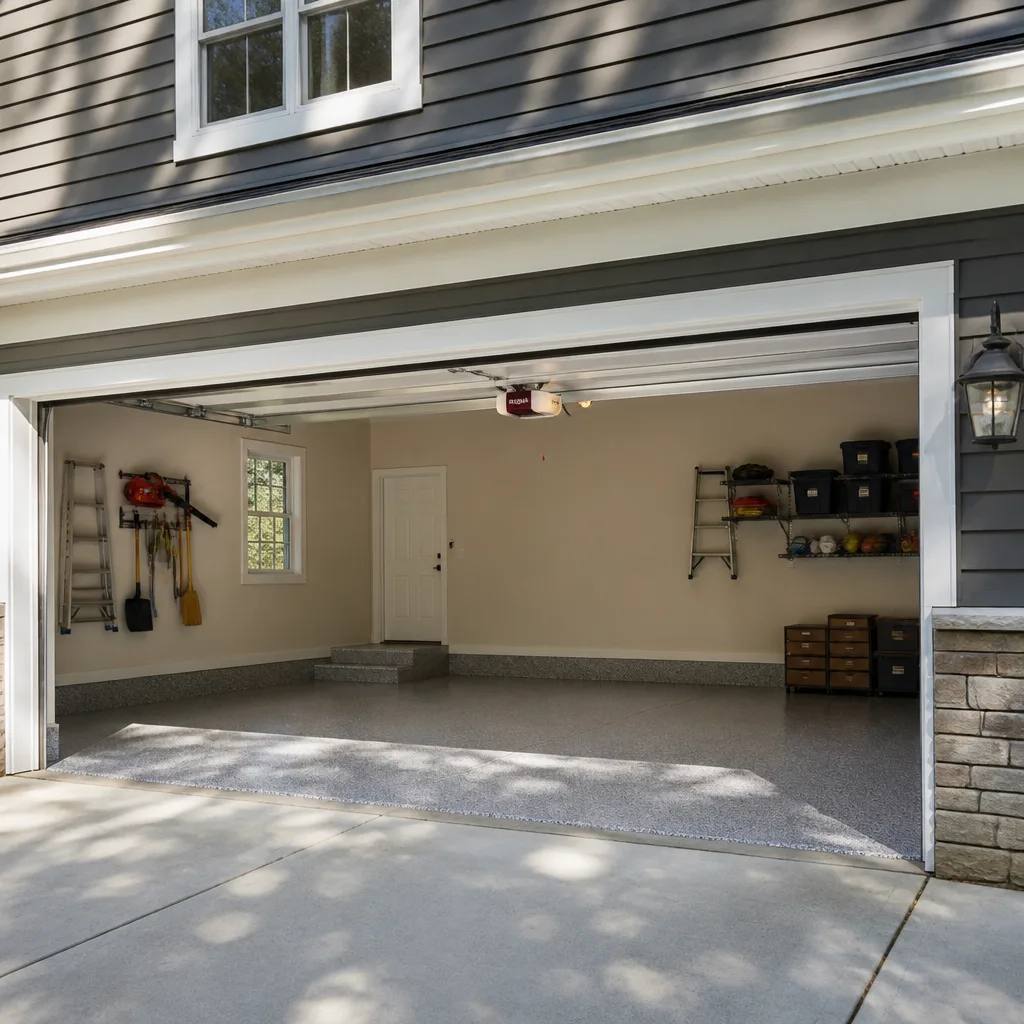 LiftMaster openers
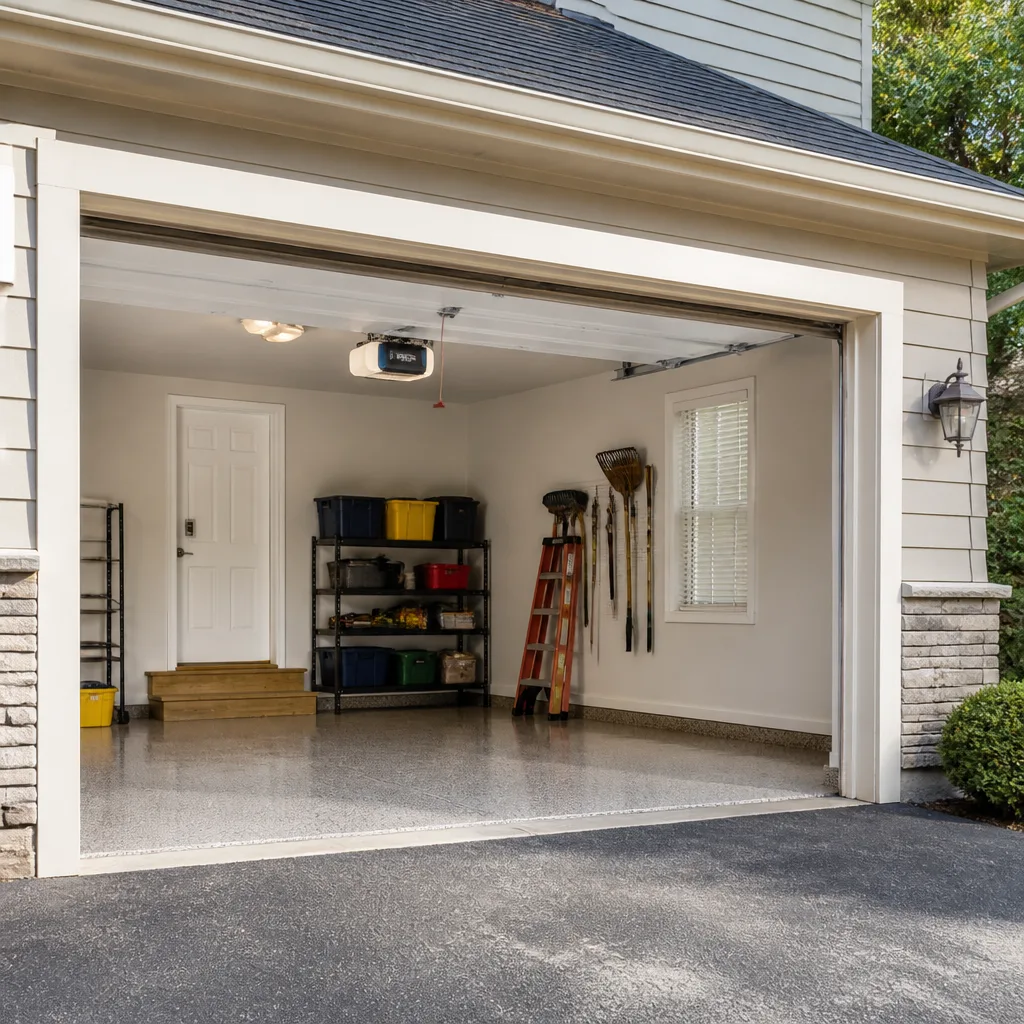 Chamberlain openers
Full 25-point door and opener safety check with every visit - springs, cables, rollers, tracks, and your LiftMaster or Chamberlain opener included
You get a price before we start. It does not change when the pro arrives.
Get your free estimateHow to Hire a Garage Door Contractor in Woodbridge Township: A Step-by-Step Guide
Most homeowners in Woodbridge Township think the repair quote is the number that matters. It isn’t. The number that actually decides what this job costs you is the one you never see: how much a low-bid contractor skimps on parts, labor, and liability coverage to get under the next guy. A $220 spring replacement and a $340 spring replacement can look identical on a phone quote and be two completely different jobs. One gets you a matched pair of properly rated springs and a technician who knows what he’s doing. The other gets you a single underrated spring, a one-year handshake, and a callback in eight months. This guide shows you how to tell the difference before anyone touches your door – how to verify a New Jersey contractor’s registration, what to ask, how to read an estimate line by line, and why the specialist-versus-handyman distinction is more than a marketing split.
Quick Answer
To hire a garage door contractor in Woodbridge Township, verify the contractor’s New Jersey Home Improvement Contractor (HIC) registration with the Division of Consumer Affairs, ask for written proof of liability insurance and workers’ compensation, get a written itemized estimate showing parts, labor, and warranty terms separately, and confirm the contractor specializes in garage doors rather than treating them as a side job. Never let anyone start work without a signed written scope and an agreed price. The rest of this guide walks through each step in the order you’d actually do them.
Styles & brands we work with
- Raised-panel steel
- Carriage house
- Modern flush
- Full-view glass
- LiftMaster openers
- Chamberlain openers
Table of Contents
- Step 1: Verify the Contractor’s NJ Home Improvement Registration
- Step 2: Confirm Insurance and Workers’ Compensation Coverage
- Step 3: The Five Questions to Ask Before Anyone Touches Your Door
- Step 4: How to Read a Written Estimate Line by Line
- Step 5: Why the Lowest Quote in Woodbridge Township Usually Isn’t the Deal
- Step 6: Full Garage Door Specialist vs. Handyman Who “Does Doors”
- Step 7: Match the Contractor to the Brand Already in Your Garage
- Step 8: What to Do When the Door Fails Completely
Step 1: Verify the Contractor’s NJ Home Improvement Registration
Every contractor who performs home improvement work in New Jersey for a homeowner is required to hold a valid Home Improvement Contractor registration issued by the New Jersey Division of Consumer Affairs. This covers garage door work – installing a new door, replacing springs, swapping an opener, rebuilding a track. It is not optional, and it is not a formality. The registration is the legal backbone of your protection if the job goes sideways.
What the HIC registration does for you:
- Establishes the contractor as a legitimate registered business with the state, not a name on a magnetic sign.
- Triggers the New Jersey Home Improvement Contractor warranty and dispute process through the Division of Consumer Affairs, so you have somewhere to turn if the work fails or the contractor walks.
- Requires the contractor to provide you with a written contract for jobs above the state’s threshold, spelled out with the specific work, materials, and price.
- Anchors the consumer protection rules around deposits, cancellation rights, and payment terms that apply to your project.
How to check, in order:
- Ask the contractor for their HIC registration number in writing – or read it off the written estimate, where it’s required to appear.
- Look up the number on the New Jersey Division of Consumer Affairs website. The lookup tool is public and free.
- Confirm three things: the name matches the business quoting you, the registration is currently active, and the registration isn’t expired.
- Confirm the registration covers the type of work being quoted. Garage doors fall under home improvement, so it should.
This whole check takes about ten seconds once you have the number. It’s the single most effective filter for the door-to-door operators who work Middlesex County after a storm. Anyone who can’t produce a number, or produces one that doesn’t survive the lookup, ends the conversation right there. A legitimate contractor in Woodbridge Township will hand you the number without hesitation, because it costs them nothing and it protects them too.
Step 2: Confirm Insurance and Workers’ Compensation Coverage
Liability insurance and workers’ compensation are not the same thing, and a contractor who is only carrying one is a risk to you. Liability covers damage to your property – a door panel that cracks during the install, a car in the driveway, the side of the garage. Workers’ compensation covers the technician if they’re hurt on your property. In New Jersey, a contractor with employees is required to carry workers’ compensation. Skipping it exposes you to a claim if someone is injured at your house.
What to ask, and what to accept:
- Ask for a certificate of insurance showing general liability coverage and the policy’s current effective dates. A certificate that expired two months ago is not insurance, it’s paper.
- Ask whether the contractor carries workers’ compensation and, if they subcontract, whether the subcontractors are required to carry their own. If the guy showing up at your garage isn’t covered, you are.
- Ask for the certificate to name the contracting business, not a personal auto policy or a homeowner’s policy someone is stretching to cover their side work. Garage door work is not side work.
Why this matters more than usual for garage door jobs: the work involves tension. A torsion spring is a stored-energy device, and if someone without the right training and the right insurance gets hurt taking it off, the liability sits on the property owner who hired them. That’s the part of the story the low-bid pitch never mentions. The right contractor is covered against it. The wrong one expects you to be. Our technicians are insured and our work is backed by a satisfaction guarantee, and the local professionals we connect you with are licensed and insured as their state requires.
Step 3: The Five Questions to Ask Before Anyone Touches Your Door
These five questions separate a working contractor from a phone number that rings out. Ask all five before you let anyone put a tool to the door. An experienced, professional operation answers them without flinching; the answers they give also tell you what the job will actually be like.
1. “What’s your warranty – on labor and parts separately?”
Every contractor will say “warranty” and stop there. The question is whether they’ll break it out. A spring replacement should come with a stated labor warranty (how long the installer stands behind the installation) and a stated parts warranty (how long the manufacturer stands behind the spring or opener). Those are two separate promises, and a contractor who only offers one has one foot out the door. Ask for both, in writing, before signing.
2. “Will you put the scope of work and the price in writing before you start?”
The price must be quoted and agreed before any work starts. That’s the baseline. A legitimate written estimate names the specific parts, the labor, and the total. A handshake and a “we’ll sort it out at the end” is a red flag. If a contractor resists putting the number on paper, they’re telling you something about how the job is going to finish.
3. “Are you registered with the Division of Consumer Affairs, and what’s your HIC number?”
Already covered in Step 1, but ask it out loud. Their reaction is the test. A professional gives you the number and waits while you look it up. A non-professional gets shifty.
4. “What brand of system are you familiar with, and have you worked on mine?”
Opener and door systems behave differently. A LiftMaster or Chamberlain opener has different logic-board behavior than a Genie, and a Clopay or Amarr door has different spring and track configurations than a Wayne Dalton or Raynor. A garage door specialist works across all of them regularly. A generalist is learning on your door. We work on LiftMaster, Chamberlain, Genie, Clopay, Amarr, Wayne Dalton, Craftsman, and Raynor – the brands already in most Woodbridge Township garages – so the technician arrives already familiar with the system in front of them.
5. “What happens if the door fails again, and who do I call?”
The answer should include a name, a number, and a stated warranty window. If the answer is “it won’t fail,” that’s not an answer. It’s a guess.
Step 4: How to Read a Written Estimate Line by Line
An estimate is not a sales document. It’s the contract, and it should read like one. Here’s what should appear on a legitimate written estimate for a garage door job in Woodbridge Township, and what each line protects you from.
What should be itemized
- Parts, by type and quantity. For a spring job: the spring type, gauge, and whether it’s a matched pair or a single. For an opener: make and model. For a door: the manufacturer, the model line, and the panel configuration. If the estimate says “springs – $X” and nothing else, ask what kind.
- Labor, as its own line. Bundling labor into the parts price hides how the job is priced. A fair estimate shows what the work costs and what the hardware costs.
- Warranty terms, written out. The labor warranty period and the parts warranty period, stated separately and in plain English.
- The contractor’s HIC registration number. Required on written home improvement contracts in New Jersey.
- Payment terms and a start and finish date or window for anything beyond a one-visit repair.
What vague line items signal
“Miscellaneous,” “materials,” and “shop supplies” as standalone charges with no detail are where a low bid hides its real price. So is a labor line that’s suspiciously absent on a job that clearly required labor – it’s been rolled into the parts, which means the quote will move once the technician is on site. A scope of work that says “fix door” is not a scope of work; it’s a placeholder. The estimate should say exactly what will be done, and the price should be the price. The written quote sets the final price, not the conversation on the driveway.
Typical range, so you know what fair looks like
We don’t publish exact prices because every Woodbridge Township job is measured on site. But you should have a rough sense of the market so a low quote doesn’t just look like a deal. A single torsion spring replacement on a standard residential door typically runs in the ranges you’d expect for a professional spring job, and a matched pair – the usual choice when one spring fails, because they wear together – usually costs about twice a single spring. If a quote for a pair lands well under what a single spring should cost, the hardware is almost certainly undersized or reused. Call (877) 820-9179 for a free written estimate on your specific door.
Step 5: Why the Lowest Quote in Woodbridge Township Usually Isn’t the Deal
The lowest quote is rarely a labor-efficiency story. Labor is the most visible cost in any trade, but on a garage door job the parts are where the money usually gets cut quietly. A spring rated below the door’s actual weight is cheaper. A single spring installed where the manufacturer specifies a pair is cheaper. A used opener with a fresh remote is cheaper. A non-OEM panel that fits “close enough” is cheaper. None of this shows up on the phone quote. All of it shows up six months later.
What actually gets cut on a low-bid garage door job:
- Spring gauge and rating. Springs are weight-matched to the door. An underrated spring works fine on day one and sags under load within the season.
- Single versus matched pair. When one spring breaks, the other is at the same wear point. Installing a single means the second one fails on its own schedule. A matched pair is the standard professional call.
- Opener model and capacity. A budget opener on a heavy double door will struggle; a properly sized opener won’t. The cut is in the model line, not the brand.
- Lubrication, adjustment, and balance check. These are the parts of the job nobody sees. Skip them and the door is back within a year.
- Warranty. A one-year handshake warranty is cheaper for the contractor than a backed warranty with a paper trail. That’s the cost of the low bid turned inside out.
There’s a second reason the low bid is a problem in Woodbridge Township specifically: the housing stock is old and varied. A township of this age has doors from the 1980s sitting next to doors installed five years ago, and the range of door weights, track systems, and opener generations is wide. A contractor who quotes a flat price sight-unseen is either measuring carefully or guessing. A specialist quotes after a measure, because a flat price on a mixed-stock township is a number that has to move later. The written estimate you sign should reflect the actual door in front of them.
Step 6: Full Garage Door Specialist vs. Handyman Who “Does Doors”
“We do doors too” is a phrase that should make you slow down. Garage door work is a trade, and it’s a trade with a specific safety profile. The distinction matters more on springs than anywhere else, because that’s where the liability and the injury risk concentrate.
What a specialist brings to the job
- Training on tension. Torsion springs and the cables that run alongside them hold stored energy. A technician trained on them knows how to release that energy safely and how to wind a new spring without putting themselves – or you – in the path of it. A handyman who “does doors” usually hasn’t been trained on it, and often won’t touch it.
- Weight-rated parts. The technician knows the door’s actual weight and selects the spring to match. This is not guesswork and it isn’t visible to the homeowner unless you ask.
- Familiarity with openers across brands. Motor issues, logic-board issues, and remote or safety-sensor issues are diagnostic problems, not mechanical ones. A specialist diagnoses; a generalist swaps parts and hopes.
- Insurance and registration built for this work. A general handyman operation is often under the “small jobs” threshold and may not carry the coverage required for a torsion spring replacement.
What a general handyman can safely do
Some garage door work isn’t a specialist call: lubricating hinges and rollers, tightening loose track bolts, replacing a battery in a remote, adjusting the travel limits on a modern opener to spec (which is a manual task, but straightforward). The line is at anything involving the springs, the cables, the torsion bar, or a full rebalance of the door. If a handyman offers to “just replace the spring” for a flat low price, ask about their HIC registration, their insurance, and their warranty. Then ask what they’ll do if the spring lets go while they’re working. A specialist has an answer; a generalist has a shrug.
For more depth on what accurate spring work involves, see our guide to garage door spring repair.
Step 7: Match the Contractor to the Brand Already in Your Garage
The brand of your garage door and opener matters less than whether the contractor works on it routinely. Every major brand behaves a little differently, and a technician who’s spent the last month on LiftMaster systems will handle a LiftMaster service call faster and cleaner than a technician meeting one for the first time. When you call a contractor, ask which brands they work on and whether yours is on the list.
What to expect from a brand-matching contractor:
- A one-call answer. When your make and model are within the contractor’s usual range, they don’t need to send a specialist to a specialist. One appointment, one price.
- Fewer callbacks. Familiarity on a specific model line usually means fewer surprises – the known sensor quirks and the usual travel-limit issues are already understood.
- Repair or replace, your call. If the opener is dying and the door is fine, a contractor who knows the brand can tell you whether the fix is worth it or whether a replacement is the cheaper path. That’s a judgment a generalist usually doesn’t have.
We work on LiftMaster, Chamberlain, Genie, Clopay, Amarr, Wayne Dalton, Craftsman, and Raynor – the names on most Woodbridge Township garage doors. That means the technician walks up to a system they’ve seen before, not a brand they’re guessing at. It also means one company can cover repair today and a full door installation later, without a second vendor. We’d rather one call that closes the loop than two that don’t.
Step 8: What to Do When the Door Fails Completely
A door that’s stuck open is a security issue and a weather issue; a door that’s stuck shut is a car issue. Either way, the first move is the same: stop operating the door. Don’t force it up and down to “see if it resets.” Don’t stand under a sagging panel trying to hold it. If a spring has visibly broken or the door is hanging off its track, keep everyone – especially kids and pets – away from it until a trained technician can secure it.
Emergency garage door service exists precisely for the scenario where the door fails outside normal hours. In Woodbridge Township, that failure often comes at the worst time: the morning the car needs to get out, the night after a wind storm, or the middle of a weekend when the whole household is home. An emergency-capable contractor will ask about the failure over the phone and help you decide whether the door can wait or needs a same-day visit.
What to tell the technician when you call:
- Whether a spring is visibly broken (a clean break with a gap in the coil is the usual sign).
- Whether the door is stuck open or shut, and whether it’s resting at an angle.
- Whether you’ve heard a snap, a bang, or a grinding sound from the opener.
- Whether the door is safe to leave in its current position overnight.
Speed matters on a repair because the door is what lets the car out and keeps the house closed. When we’re booking, we prioritize emergency work for exactly that reason. Our technicians have up to 15 years of experience, and we offer fast dispatch from 7am to 7pm so the fix happens the same day the call does. For deeper detail on the full repair menu, see garage door repair.
Common Mistakes to Avoid
- Hiring off a door hanger or a knock. Storm-chasing operators cycle through Middlesex County after every big weather event. Ask for the HIC number before you ask for the price – it’s the fastest way to filter out the ones who won’t be here next week.
- Accepting a phone quote and letting work start on that basis. Garage door jobs are measured on site, and a phone quote on a mixed-stock township like Woodbridge Township is a guess that has to move. Get the written estimate on site, sign it, then let the work begin.
- Skipping the workers’ compensation question. Homeowners in New Jersey who hire an uninsured contractor can end up exposed to an injury claim on their own property. Ask for the certificate and look at the dates.
- Taking the lowest bid on a spring replacement without asking about gauge and pair. The spring is the cheapest place to hide a shortcut. A pair is the standard bet; a single on a two-spring door is a coupon for a second service call.
- Letting a general handyman handle torsion spring work. Handymen can adjust tracks and tighten bolts. Torsion springs are a specialist job and the risk of doing them untrained is real. If a handyman won’t touch it, that’s the right call, not a sales gap.
- Treating the warranty as one thing. Labor and parts are two warranties. Ask for both in writing, and confirm the labor warranty is long enough to cover the season or two after the work.
- Assuming the opener brand on the box is the whole answer. A LiftMaster or Chamberlain replacement on a door hung for a Clopay or Amarr system needs to be sized to the door, not just the wall. A mismatched opener wears the door out faster than the old one did.
See the difference
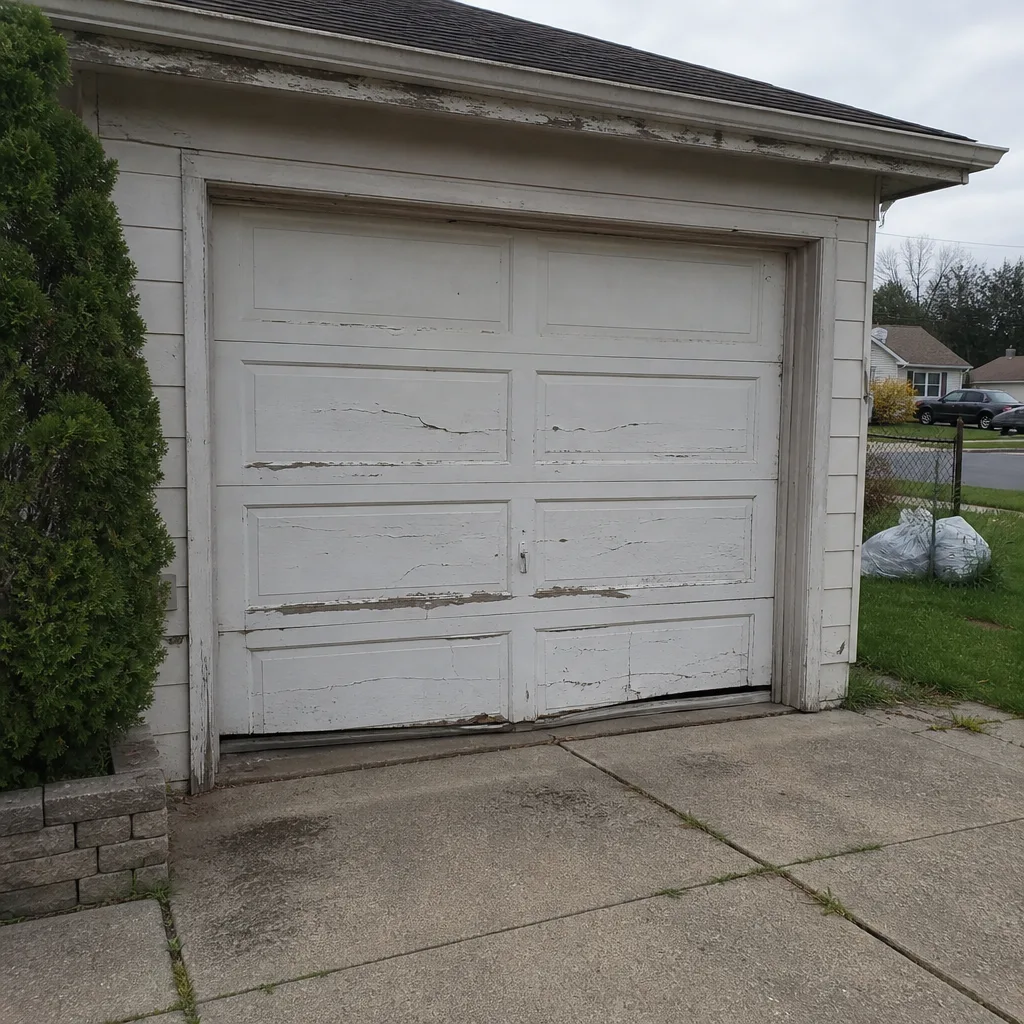 Before
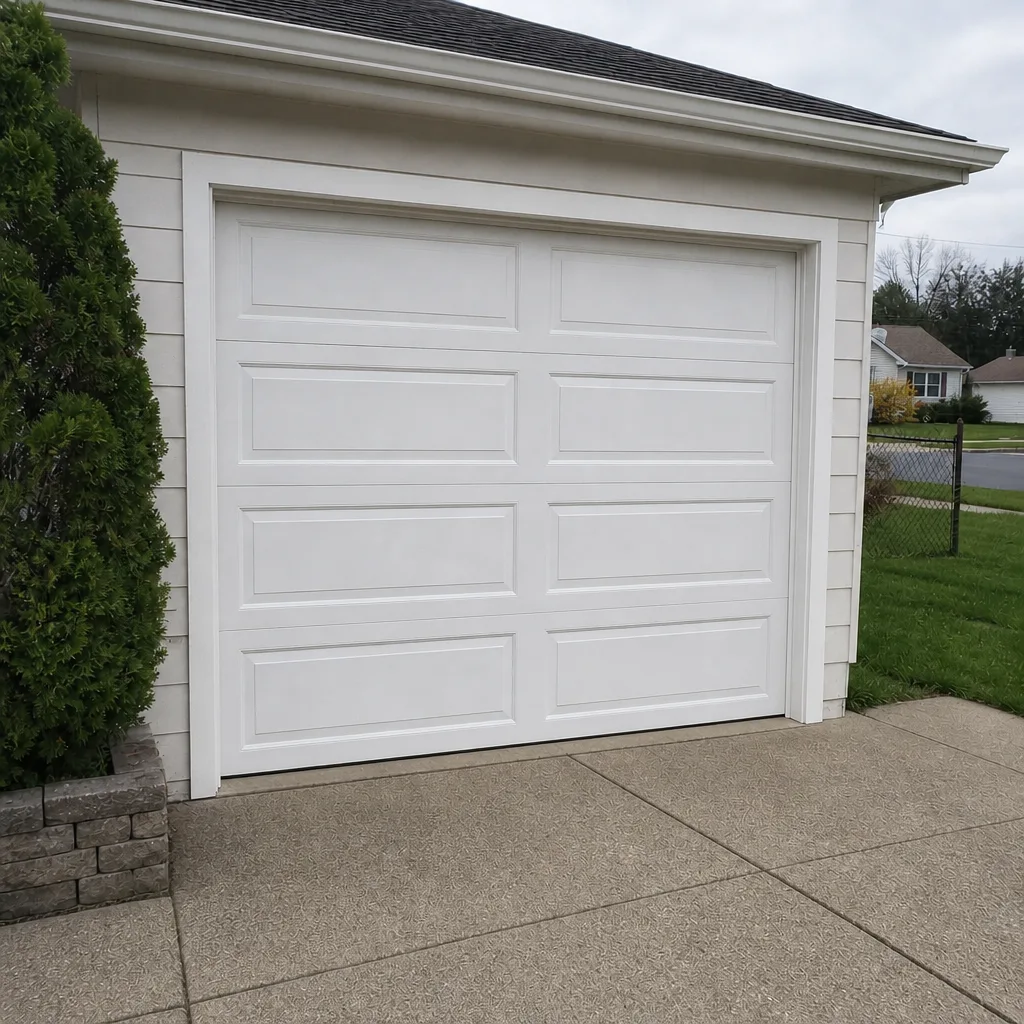 After
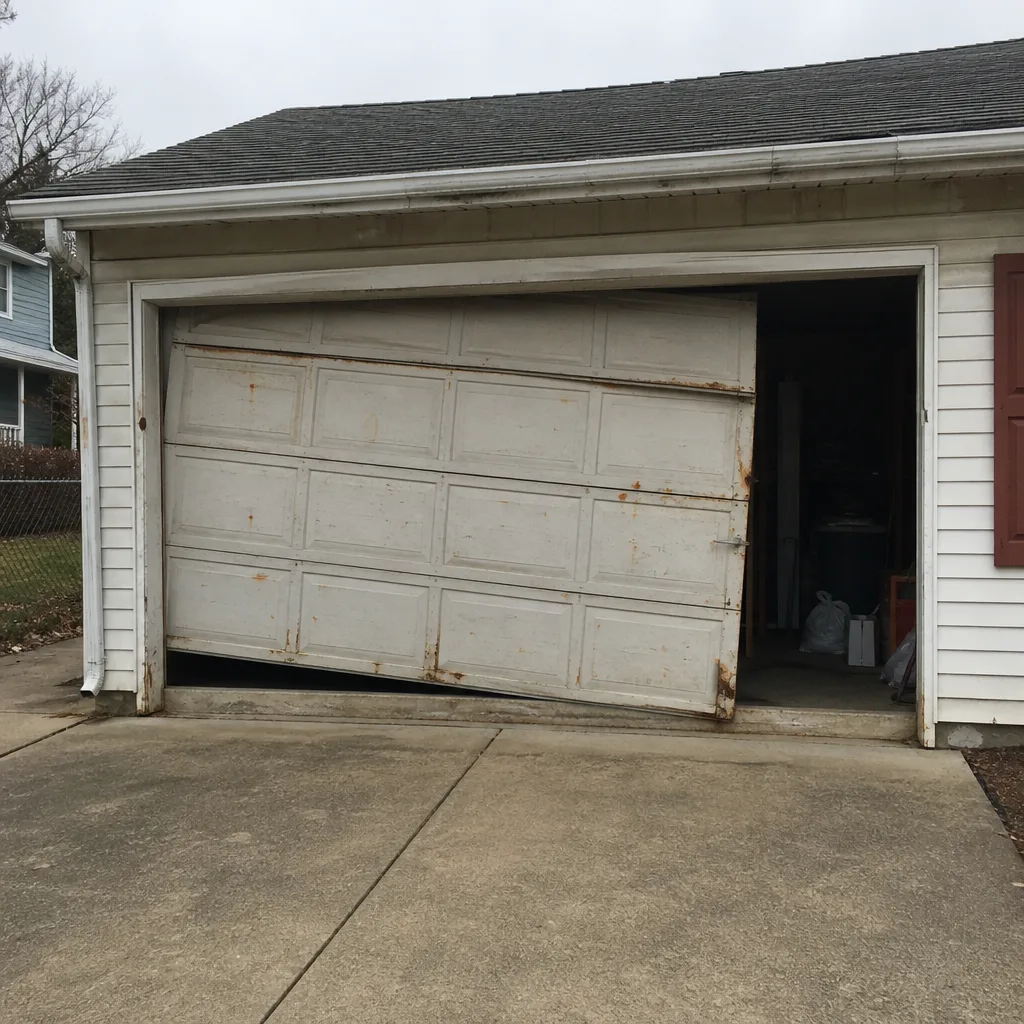 Before
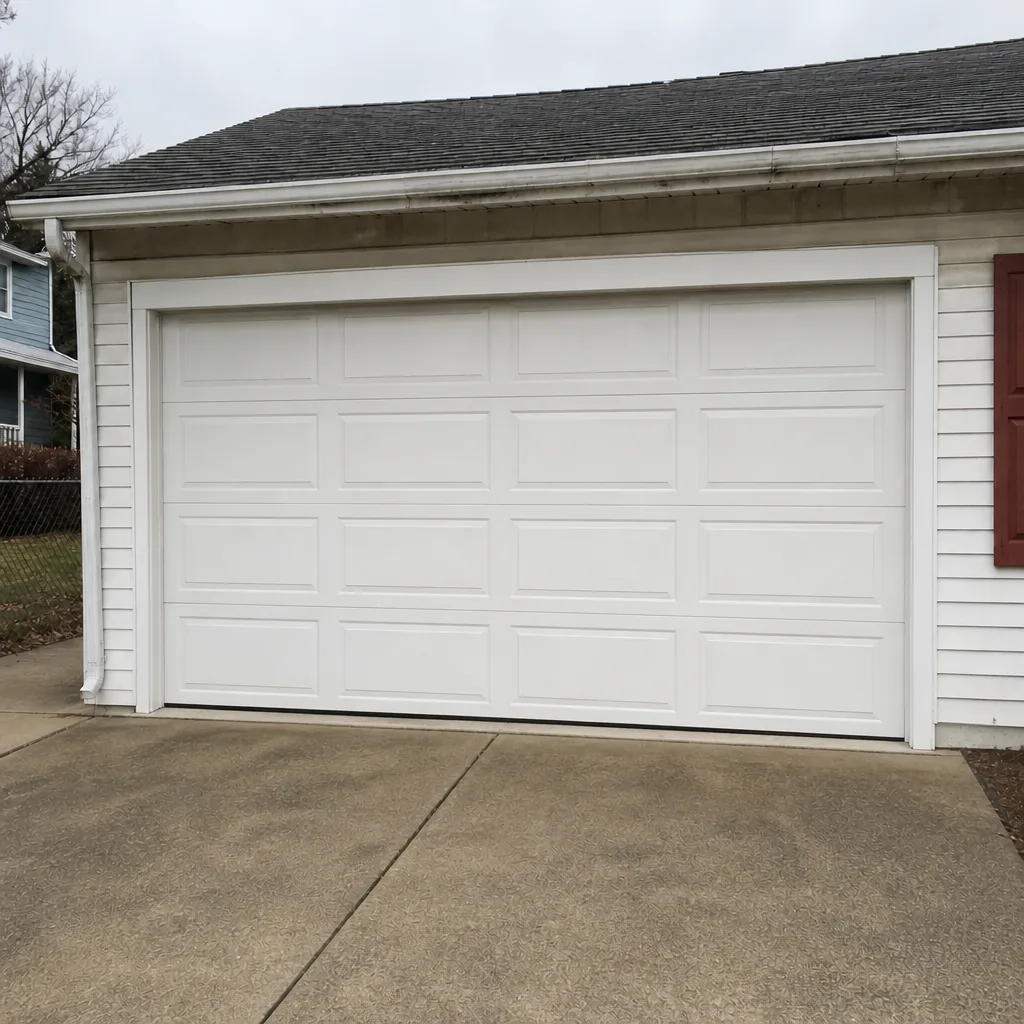 After
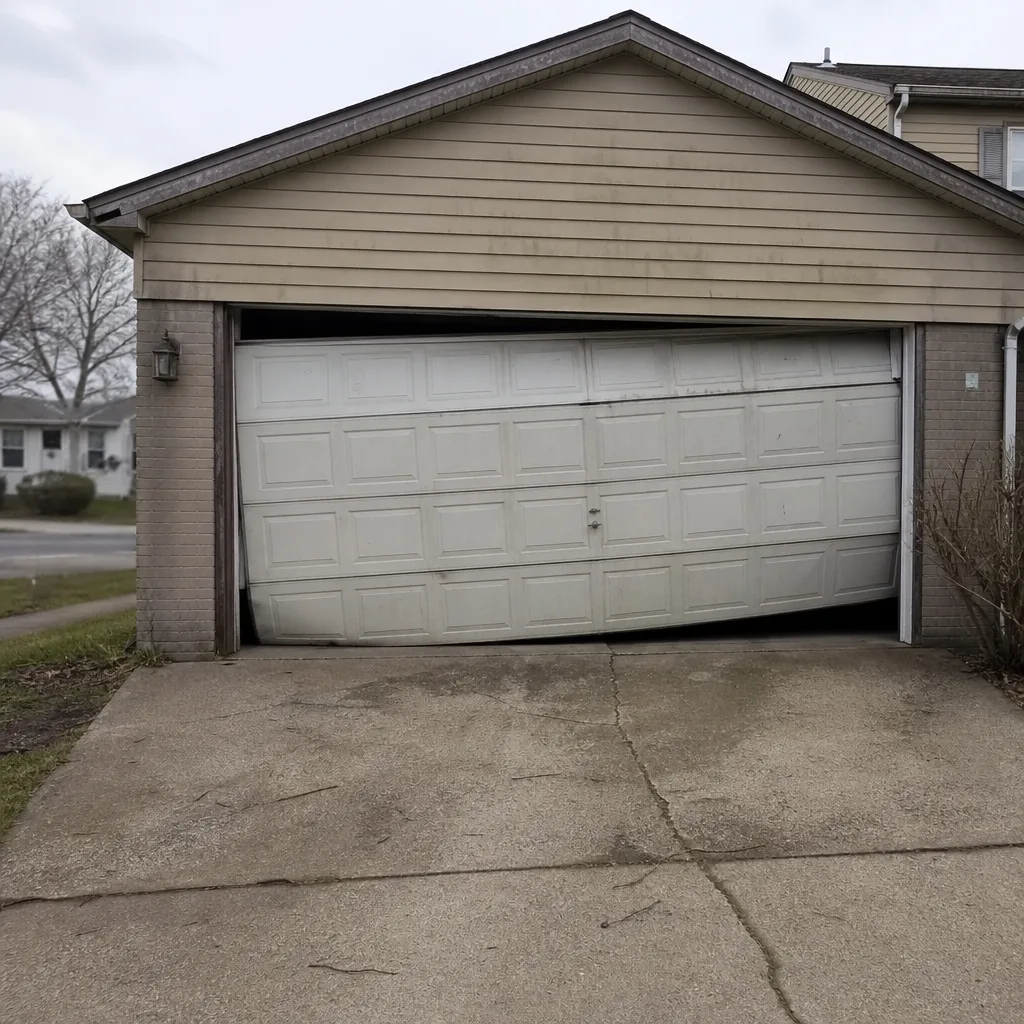 Before
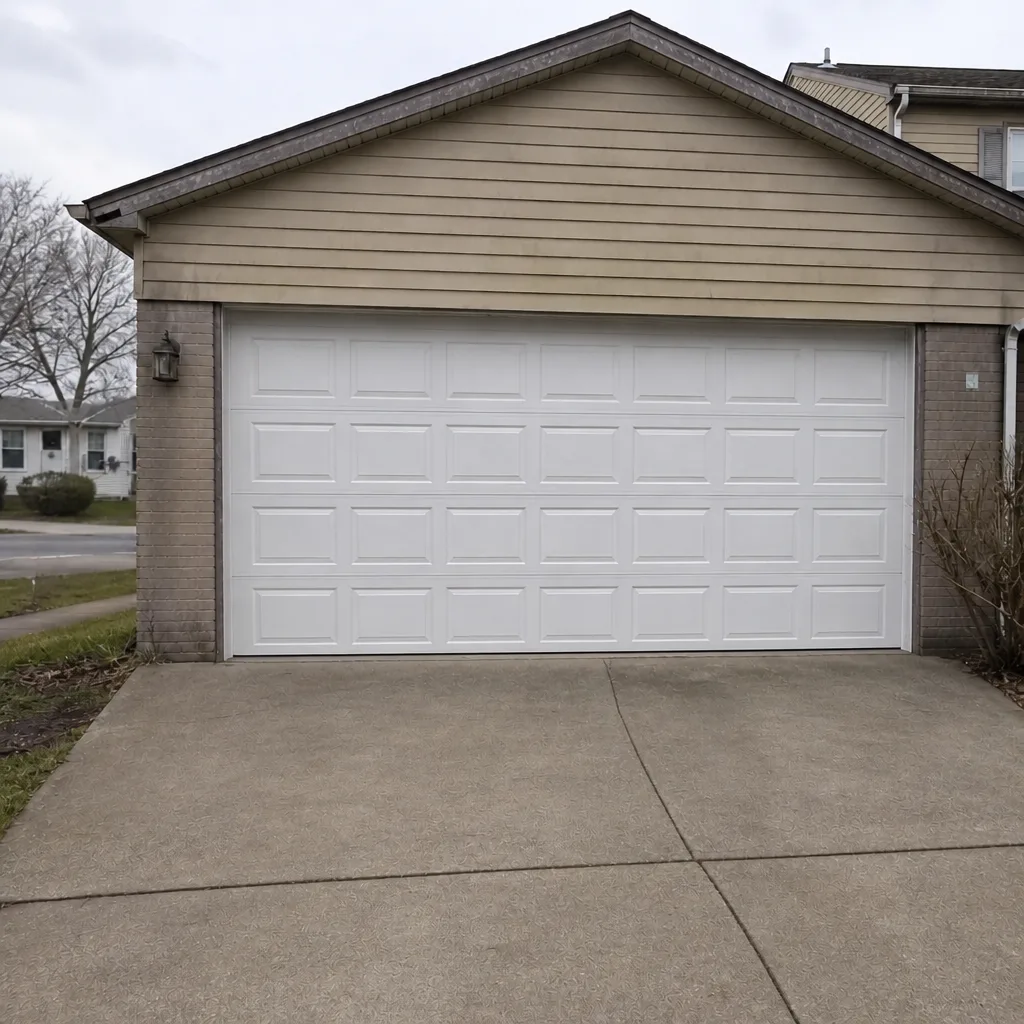 After
When to Call a Professional
Some door issues can wait for an appointment. Others shouldn’t wait at all. Call a professional when the door will not open or close, when the door is hanging off the track or resting at an angle, when a broken spring is visible behind the door, when the opener runs but the door doesn’t move, or when the door is stuck open and the house can’t be secured. Springs, cables, and torsion bars are not a homeowner’s job: those components hold stored energy and the injury risk on them is real, so don’t attempt a repair yourself. Woodbridge Garage Door Repair Co offers free estimates in Woodbridge Township – call (877) 820-9179 and we’ll get someone out to look at it.
Frequently Asked Questions
In New Jersey, contractors performing home improvement work for homeowners must be registered as a Home Improvement Contractor (HIC) with the New Jersey Division of Consumer Affairs, which is the state’s registration system for this trade. Ask for the HIC number in writing, then check it on the Division of Consumer Affairs website before signing anything. The local professionals we connect you with are licensed and insured as their state requires.
Spring replacement cost depends on the spring size, the door’s weight, and whether you need a single spring or a matched pair, so the written estimate on site is the number to trust. A matched pair is usually the professional standard because both springs wear at the same rate, and that pair typically costs about twice a single spring. Call (877) 820-9179 for an exact quote – estimates are free.
Yes. Emergency garage door service is part of what we do, and when the door is stuck open or a spring has failed, we prioritize the call so it gets handled that day. Our dispatch runs from 7am to 7pm for urgent work. Call (877) 820-9179 and tell us whether the door is stuck open or shut, and whether a spring is visibly broken.
No – the written estimate is the price, and any work starts only after you’ve agreed to it. Every job is measured on site before the estimate is written, so there’s no gap for surprises once the technician arrives.
It depends on the door’s condition, the cost of the repair, and how the door’s components have aged together. A single spring or opener failure on an otherwise sound door is usually worth repairing; a door with warped panels, a failing track, and a dead opener often costs more to keep alive than to replace. We handle both repair and full installation, so you can get an honest read on both paths from one company.
The local professionals we connect you with are state-licensed and insured as their requirements demand, and we recommend asking any contractor you hire – including us – to provide the HIC number and a current insurance certificate. Our technicians have up to 15 years of experience and a satisfaction guarantee backs our work. Call (877) 820-9179 for a free estimate.
The Bottom Line
Hiring the right garage door contractor in Woodbridge Township comes down to four things: verify the HIC registration, confirm the liability and workers’ compensation coverage, read the written estimate line by line before you sign, and make sure the person touching your springs actually specializes in garage doors. The low bid is usually a parts-quality story, not a labor-efficiency one. The specialized call costs a little more up front and a lot less over the two seasons after it. If the door is failing now, don’t wait it out – springs and cables hold stored energy and the risk on them is real. Call us and we’ll get you back up and running.
Woodbridge Garage Door Repair Co is your local specialist for repair, garage door opener repair, spring replacement, and full door installation across Woodbridge Township – LiftMaster, Chamberlain, Genie, Clopay, Amarr, Wayne Dalton, Craftsman, and Raynor. Free estimates, upfront written pricing, same-day emergency service. Call (877) 820-9179 today and we’ll get a technician out to look at your door. Garage doors are all we do. Visit Woodbridge Garage Door Repair Co to see what we cover.
Written by the team at Woodbridge Garage Door Repair Co.