Last updated November 23, 2026
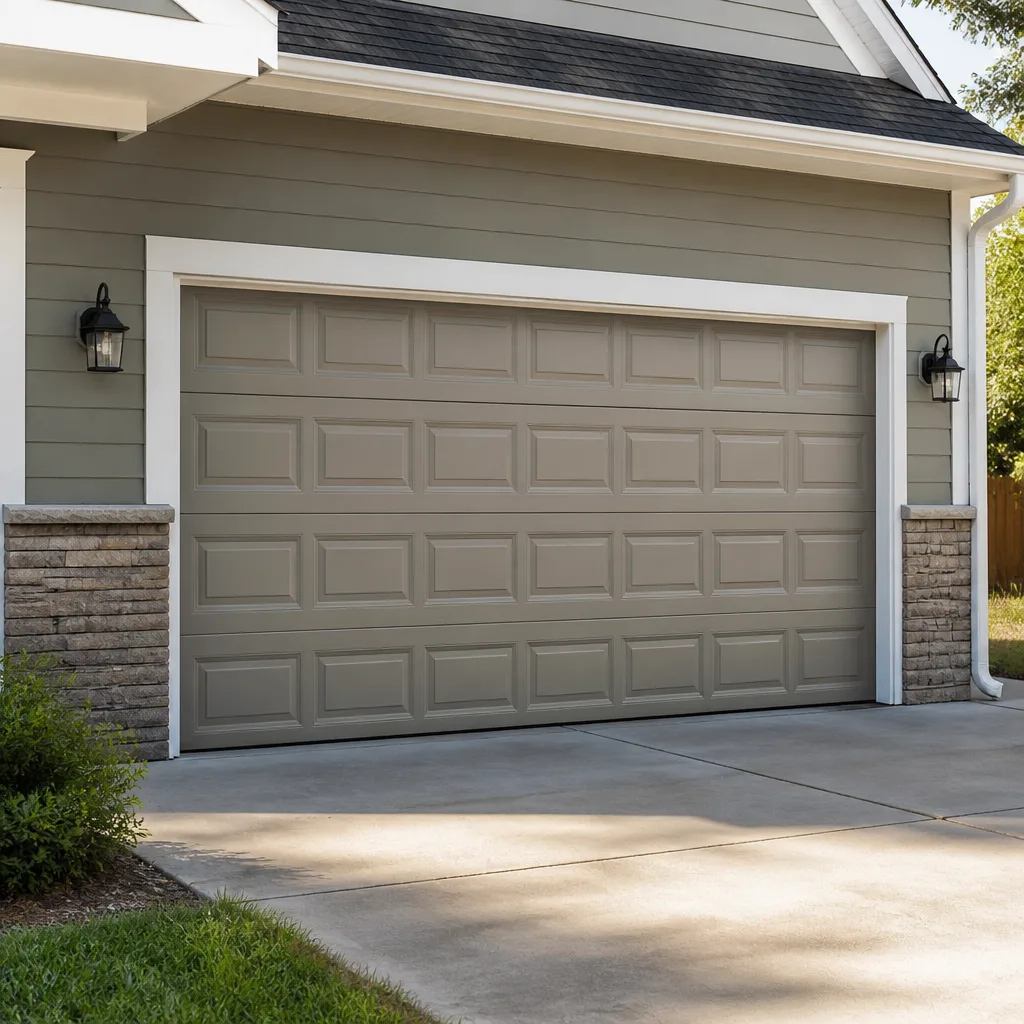 Raised-panel steel
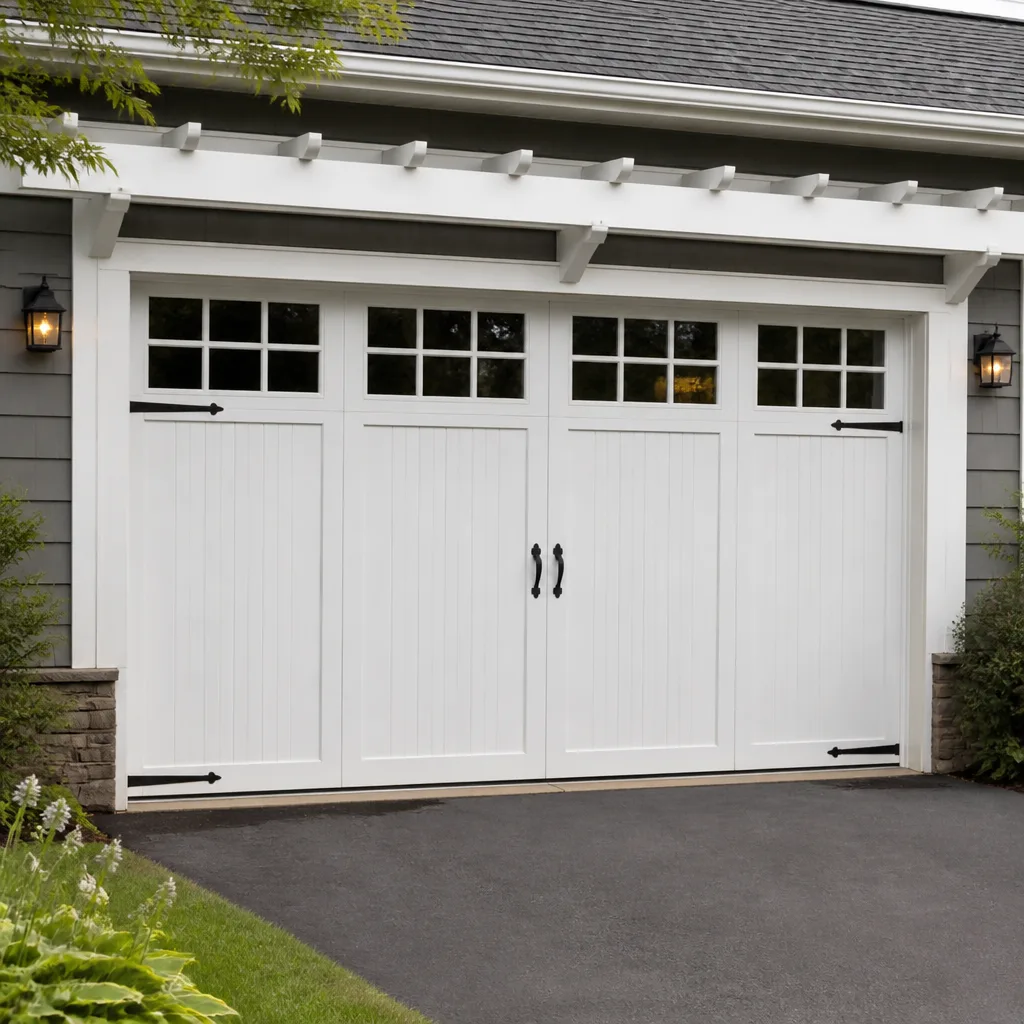 Carriage house
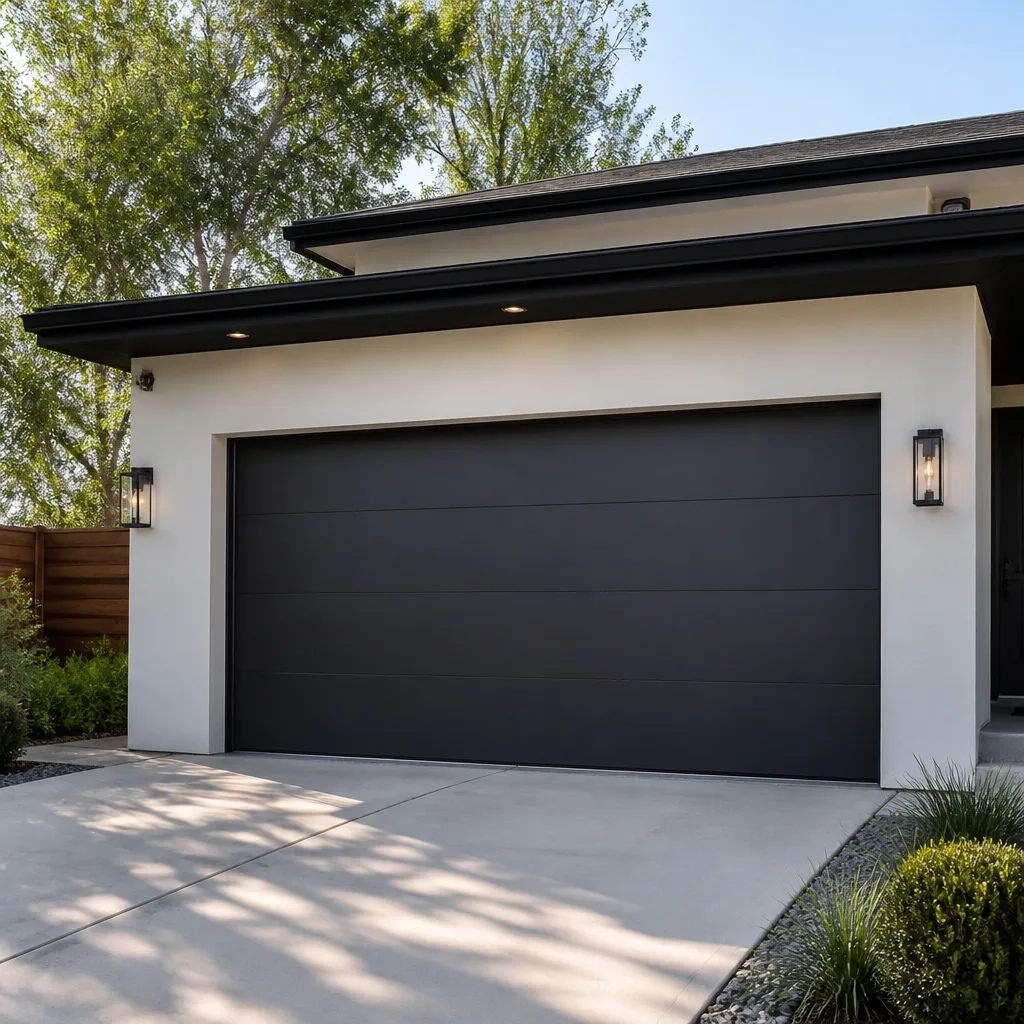 Modern flush
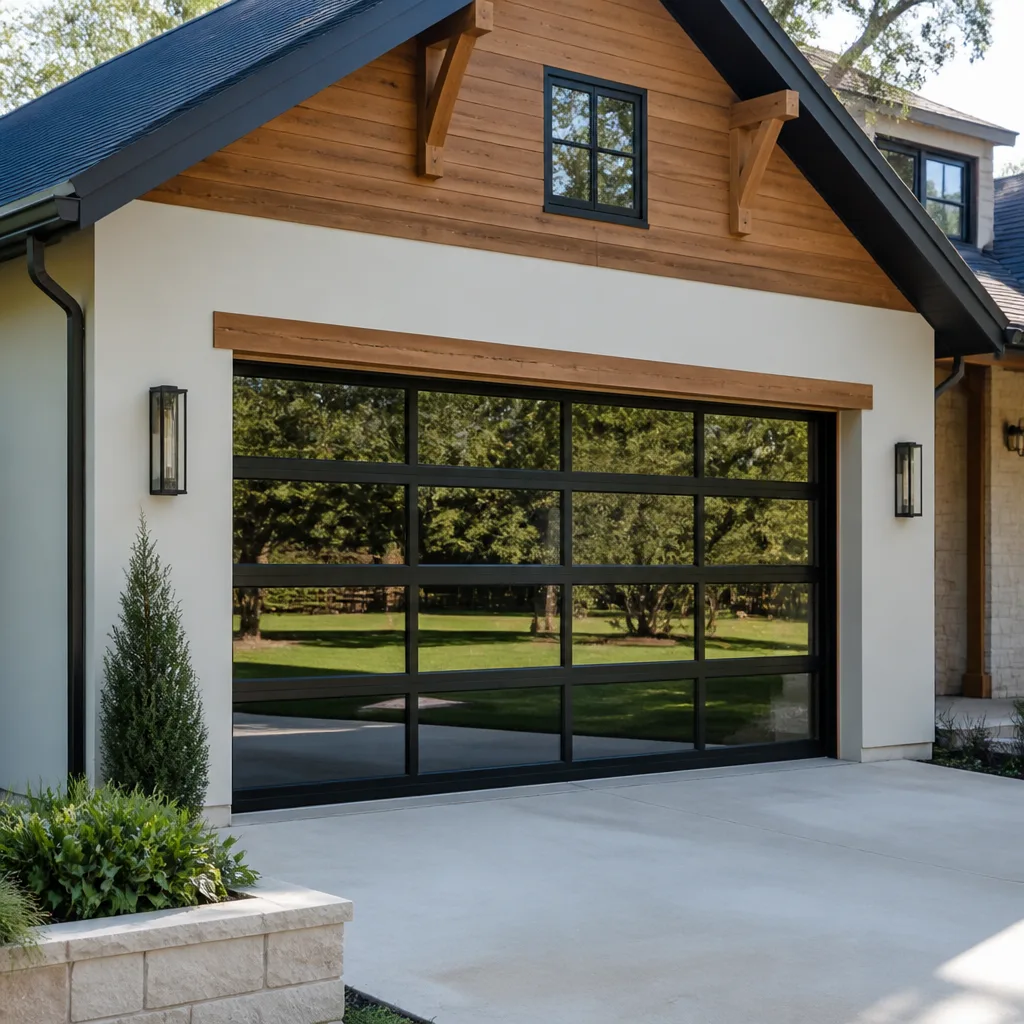 Full-view glass
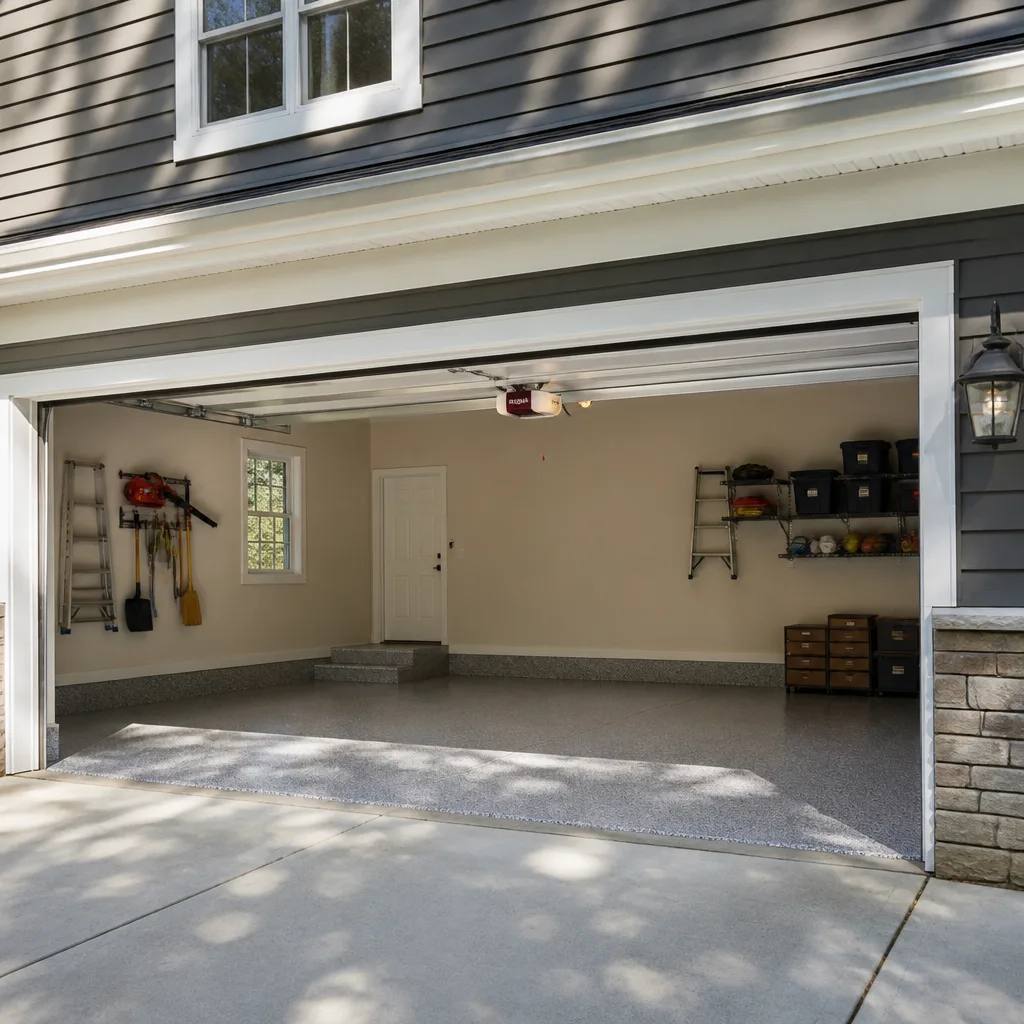 LiftMaster openers
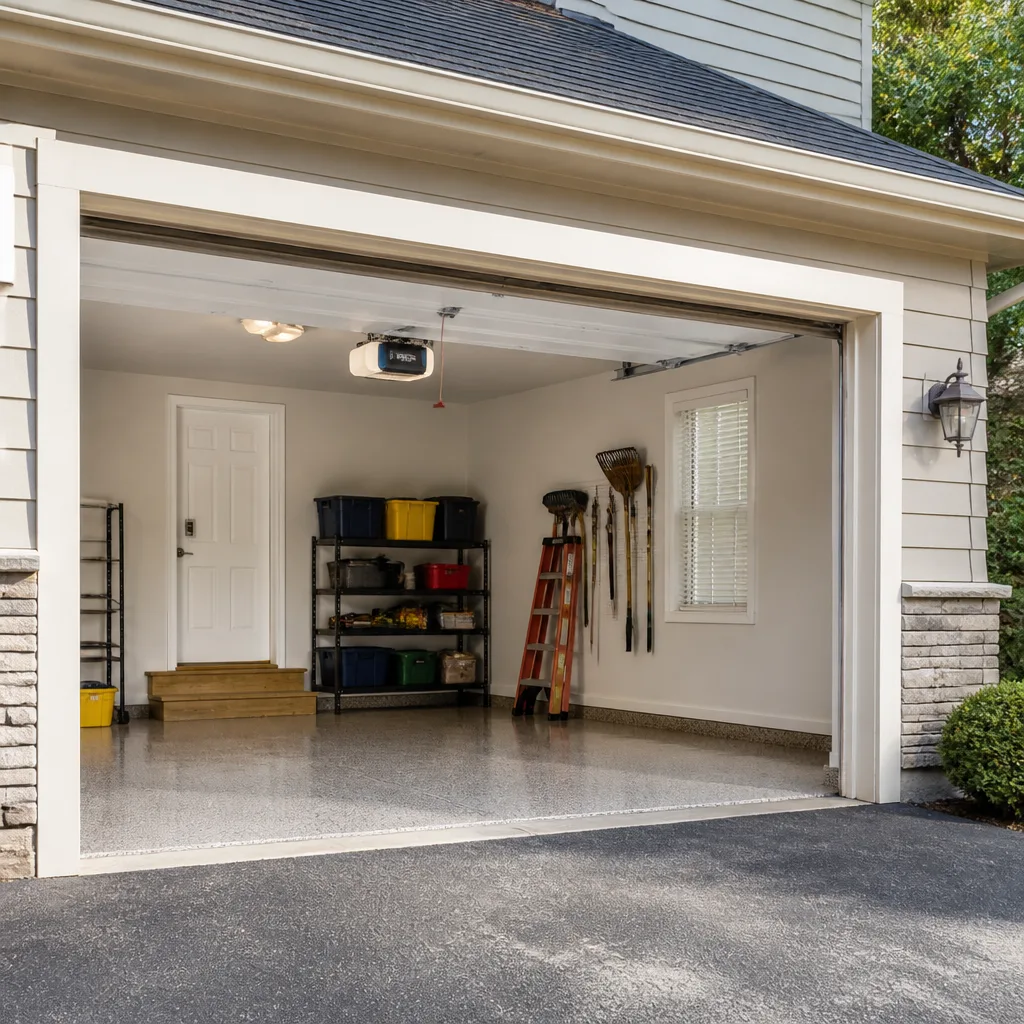 Chamberlain openers
Full 25-point door and opener safety check with every visit - springs, cables, rollers, tracks, and your LiftMaster or Chamberlain opener included
You get a price before we start. It does not change when the pro arrives.
Get your free estimateThe Complete Guide to Garage Doors in Woodbridge Township
Most garage door advice you’ll find online was written for a generic suburb where every house is roughly the same age and the weather is mild. Woodbridge Township isn’t that place. Here you have 1960s Capes and ranches sitting a few streets from newer townhome builds, and the hardware that lasts decades on one won’t last nearly as long on the other. The mix of housing stock, the humidity off the waterways, and the age of many attached garages all change what a door needs and when it needs it. This guide walks through what actually matters here, from choosing a door to understanding what it really costs over ten years.
Quick Answer
A garage door in Woodbridge Township needs to match its housing stock and its exposure: older attached garages in Fords, Avenel, and Colonia often call for reinforced track hardware and torsion springs rated for heavier cycles, while newer townhome builds in Port Reading and around Woodbridge Center can usually run standard hardware. Budget for the full lifecycle, not just the door: springs, rollers, and opener service are recurring costs, and a permit is typically required for structural or electrical changes. Most repairs are straightforward for a trained technician, and the price should always be quoted and agreed before any work starts.
Styles & brands we work with
- Raised-panel steel
- Carriage house
- Modern flush
- Full-view glass
- LiftMaster openers
- Chamberlain openers
Table of Contents
- How Woodbridge Township’s Housing Stock Shapes Your Door Choice
- The Local Climate and What It Does to Springs, Tracks, and Panels
- Matching Door Style to Neighborhood: Avenel Ranches, Colonia Colonials, and Newer Builds
- The Woodbridge Township Permit Landscape
- Why Older Attached Garages Cause Headroom and Clearance Problems
- The Full Lifecycle Cost of a Garage Door
- Repair or Replace? A Decision Framework
- How to Choose a Garage Door Company in Woodbridge Township
How Woodbridge Township’s Housing Stock Shapes Your Door Choice
Woodbridge Township spreads across ten distinct neighborhoods and over 99,000 residents, and the garages vary enormously from one to the next. A door that’s a perfect fit for a ranch home in Avenel can be the wrong call for a colonial in Colonia or a newer townhome near Woodbridge Center. The differences aren’t cosmetic. They affect how the door is built, how it’s anchored, and how long its parts last.
The older housing stock tends to have attached garages built to the standards of their era: tighter bays, lower ceilings, and framing that has settled over time. Newer builds tend to have wider openings, better insulation, and pre-wired openers that are simpler to service. Knowing which category your home falls into tells you a lot about which doors and which hardware make sense.
- 1960s and earlier Capes and ranches: often need reinforced track brackets, heavier torsion springs, and careful attention to headroom. Doors here tend to be narrower and shorter than modern standards.
- 1970s through 1990s colonials and splits: usually two-car attached garages with standard dimensions, but original wood frames and hardware that may be nearing the end of its service life.
- Newer townhomes and infill builds: often share walls with neighbors, which means noise and vibration control matter more than raw insulation value. Standard steel doors with insulated cores work well here.
If your home falls into the first category, it’s worth having a technician look at the existing hardware before you buy a replacement. We’ve seen plenty of older Woodbridge Township garages where the door itself was fine but the torsion setup was undersized for the load.
The Local Climate and What It Does to Springs, Tracks, and Panels
Woodbridge Township sits close to the Arthur Kill and Raritan Bay, and the humidity and temperature swings here do steady damage to garage door hardware year after year. It’s not dramatic. Doors don’t fail overnight because of weather. But the combination of damp summers, cold winters, and repeated freeze-thaw cycles accelerates wear on the parts that matter most, and that means maintenance schedules here often run tighter than what you’d follow in a drier part of New Jersey.
Here’s how each component tends to react:
- Torsion and extension springs: moisture and temperature cycling both stress spring steel. Springs here often cycle out faster than their rated life would suggest, particularly on doors that get used several times a day.
- Tracks and rollers: humidity encourages rust on bare steel tracks and seizes nylon or steel rollers sooner than in dry climates. Lubrication matters more here than most guides admit.
- Panel finishes: repeated wetting and drying at the bottom of the door can cause paint failure and, on steel panels, surface rust along the bottom seal. Aluminum and insulated steel panels hold up better; wood panels need annual attention.
- Weather seals: the rubber seal along the bottom of the door takes the worst of the wet. Replacing it when it hardens is one of the cheapest things you can do to protect the door itself.
None of this means you need to baby your door. It means a yearly check and a light lubrication routine go further here than they might in a drier climate. If your door’s been untouched for several years, it’s worth a look.
Matching Door Style to Neighborhood: Avenel Ranches, Colonia Colonials, and Newer Builds
Woodbridge Township neighborhoods developed in different eras, and the door that suits each one varies. Walking through the housing stock in different parts of the township, the patterns are clear.
Avenel ranch homes
Ranch homes in Avenel typically have single-car or small two-car garages with lower headroom and simpler openings. A traditional raised-panel steel door, either in a short-panel or long-panel design, works well and keeps weight reasonable for older opener systems. Insulated doors are worth considering if the garage shares a wall with living space.
Colonia colonials
Colonials in Colonia usually have wider two-car garages, and the front of the house is more visible from the street. Carriage-house style doors with decorative hardware tend to fit the architecture. Amarr and Clopay both make carriage-house designs in several price tiers, and either works well here.
Newer builds near Woodbridge Center
Townhomes and newer builds near the commercial center often have standard-width, well-insulated doors. A steel door with an insulated core is the practical choice, both for temperature control and for noise reduction where garages share walls with neighbors. There’s less incentive to over-invest in appearance here; function and durability should lead.
The mistake we see most often is homeowners choosing a door for curb appeal alone and then discovering the hardware can’t handle the extra weight. Balance both. A beautiful door that strains the opener every time it opens won’t stay beautiful long.
The Woodbridge Township Permit Landscape
When you replace a garage door with a comparably sized door in the same opening, that’s usually treated as routine maintenance and doesn’t require a building permit. When the work changes the structure, the electrical, or the size of the opening, a permit is typically required. The dividing line is whether the job touches framing, wiring, or dimensions.
Here’s how it usually breaks down:
- Direct replacement of same-size door: usually no permit required.
- New opener installation on existing wiring: usually no permit required, but check with your electrician or the township if you’re unsure.
- Change to the opening size or structure: building permit likely required.
- New electrical work for an opener or lighting: electrical permit typically required.
- Changing door headroom requirements: consult the township before committing, since framing changes may be involved.
Because the rules can shift, we always tell homeowners to call Woodbridge Township’s building department directly before scheduling a job that touches structure or electrical. A quick call saves a lot of trouble down the road, and the department is the authoritative source, not a website. If your project is a straightforward repair rather than a structural change, permits usually aren’t part of the conversation.
Why Older Attached Garages Cause Headroom and Clearance Problems
Older attached garages in Woodbridge Township tend to have lower ceilings than modern builds, and that creates problems for both the door mechanism and the opener. A torsion spring system needs space above the door. An opener needs a rail run from the motor to the door. In houses built decades ago, neither was designed with today’s heavier, heavier-insulated doors in mind.
The most common issues we encounter:
- Insufficient headroom for torsion springs: a low-ceiling garage may only accommodate a low-headroom torsion setup or a rear-mount spring configuration. Standard torsion hardware simply doesn’t fit.
- Opener rail hitting low ceilings: some older garages have ceilings so low that the opener needs a low-profile mount, or a jackshaft opener that mounts on the side wall instead of the ceiling.
- Settled framing throwing the door out of square: decades of settling can make the opening slightly trapezoidal, which strains the track and causes the door to bind near the top.
- Undersized original springs: if a heavier door was installed at some point without upgrading the springs, the system is being overworked.
If your garage dates from before the 1980s, it’s worth having a technician measure the opening and the headroom before you buy a new door. What fits on paper may not fit in an older Woodbridge Township garage.
The Full Lifecycle Cost of a Garage Door
Most guides quote the purchase price and stop. That’s misleading because a garage door is a twenty-year commitment, and what you spend on maintenance across that time adds up. Here’s the honest picture, with typical ranges rather than exact numbers. The final price on any job comes from a written estimate after an inspection.
Installation and replacement
- Standard single-car steel door, installed: typically $900 to $2,000 depending on insulation and brand.
- Standard two-car steel door, installed: typically $1,500 to $3,500.
- Carriage-house or upgraded design, installed: typically $2,500 to $6,000 or more.
- New opener, installed: typically $350 to $800 depending on features.
Recurring maintenance and repair
- Annual service (lubrication, balance check, hardware inspection): typically $100 to $200 if the homeowner doesn’t do it themselves.
- Spring replacement (one spring): typically $180 to $340. Matched pairs are often replaced together, so a pair runs roughly twice that.
- Roller replacement (set): typically $80 to $200.
- Panel or section repair: typically $250 to $800 depending on style and brand availability.
- Opener repair (board, motor, or remote): typically $150 to $450.
The 10-year reality
Over ten years, most homeowners here spend 60 to 80 percent of the original door price again on maintenance, springs, and at least one opener replacement. That doesn’t mean the door was a mistake. It means the true cost is the door plus its upkeep. A cheaper initial door with a short-lived finish that needs repainting will often cost more long-term than a slightly more expensive insulated door that holds up.
Budgeting for the whole lifecycle changes which door makes sense. If you plan to stay in your Woodbridge Township home for a decade or more, invest in the door you won’t have to touch every other year.
Repair or Replace? A Decision Framework
There’s no single right answer, but a few questions narrow the field fast. Walk through them before you call anyone:
- Is the door structurally sound? If the panels are intact and the frame is square, repair is almost always the answer.
- Is the problem isolated to hardware? Springs, rollers, cables, and openers are all replaceable without touching the door itself.
- Is the door older than 20 years? Past that mark, parts may be harder to source, and panel styles may be discontinued. Replacement often makes more sense once repairs start stacking.
- Has the door been repaired three or more times in five years? Repeated failures usually signal a system-level problem, not a single part.
- Does the current door meet your insulation or security needs? A door from the 1990s isn’t going to match an insulated modern one for temperature control or security.
- Are you planning to replace the opener soon anyway? If yes, coordinating the door and opener replacement often saves money on installation.
In Fords and other parts of Woodbridge Township with older housing stock, we see this decision come up often with doors that are still cosmetically fine but straining mechanically. Sometimes the honest answer is a new door; sometimes it’s a set of rollers, springs, and a tune-up that gets another ten years out of the existing one. A reputable technician will tell you which without pushing a sale.
How to Choose a Garage Door Company in Woodbridge Township
A garage door isn’t complicated, but the people who work on it should be. Here’s what actually matters when you’re evaluating a company, and what most guides won’t tell you:
- Brand familiarity matters more than general reputation. A company that already knows Genie, Clopay, Amarr, and Wayne Dalton products will diagnose your door faster and be less likely to recommend parts you don’t need. We work on the brand already in your garage, whatever it is.
- Specialization beats generalization. A general handyman can hang a door, but springs, openers, and structural track work are a different skill. Garage doors are all we do.
- Ask for the price in writing before work starts. The written quote is the price. Any legitimate company will commit to that.
- Confirm emergency availability. If your door is stuck open and your house is unsecured, the difference between “we’ll see you Thursday” and “we can get someone out today” is everything.
- Look for full-spectrum capability. Springs, openers, panels, and full doors under one roof means you don’t lose time coordinating multiple vendors, now or three years from now.
For a deeper walk-through of the specific services, our guide on garage door repair covers the common failure modes, and our garage door spring repair page explains why springs get their own specialty treatment (they’re genuinely dangerous to handle without the right tools and training). If your door opens but the opener’s not cooperating, our garage door opener repair page is the place to start.
Common Mistakes to Avoid
- Replacing one spring when both are worn. Springs wear at the same rate; replacing one leaves the other a few months from failure and costs you two service calls. Replace them as a pair unless one is nearly new.
- Choosing a door by curb appeal alone. A heavy upgraded door on an opener designed for a standard-weight panel will burn out the motor in a year or two. Match the door to the hardware, not just the facade.
- Skipping the permit call on structural changes. It’s an easy step to skip, and unpermitted work can complicate a future sale. Call Woodbridge Township’s building department when framing or wiring is involved.
- Doing spring work yourself. Torsion springs are under extreme tension and can cause serious injury. This is one task that genuinely warrants a trained professional.
- Ignoring a slow failure. A door that hesitates, rattles, or reverses occasionally is telling you something. Waiting until it fails completely usually costs more.
- Using a general handyman for opener troubleshooting. Opener issues are often on the logic board, the safety sensors, or the remote frequency, not the mechanical parts. A specialist brings different diagnostic depth.
- Buying a door without measuring the actual opening first. Older Woodbridge Township garages frequently don’t match nominal dimensions. Measure before ordering.
See the difference
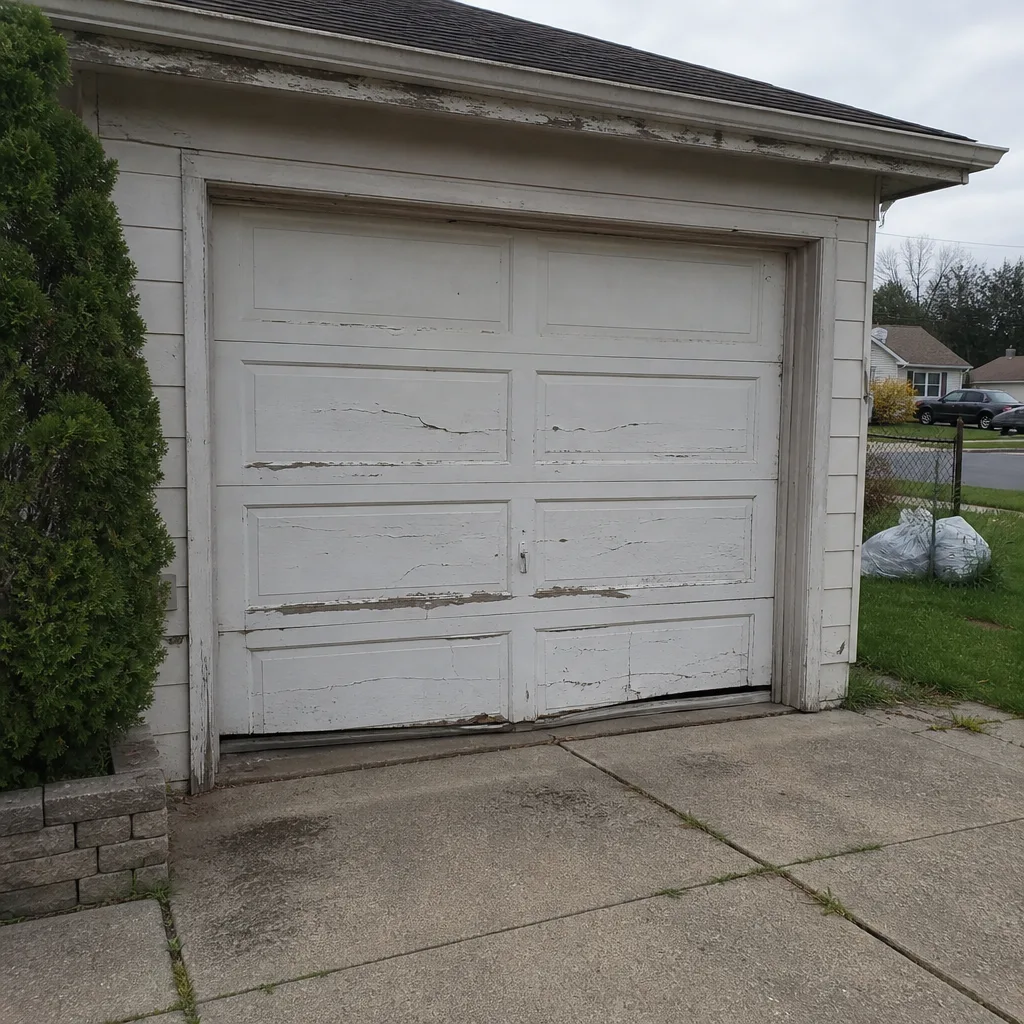 Before
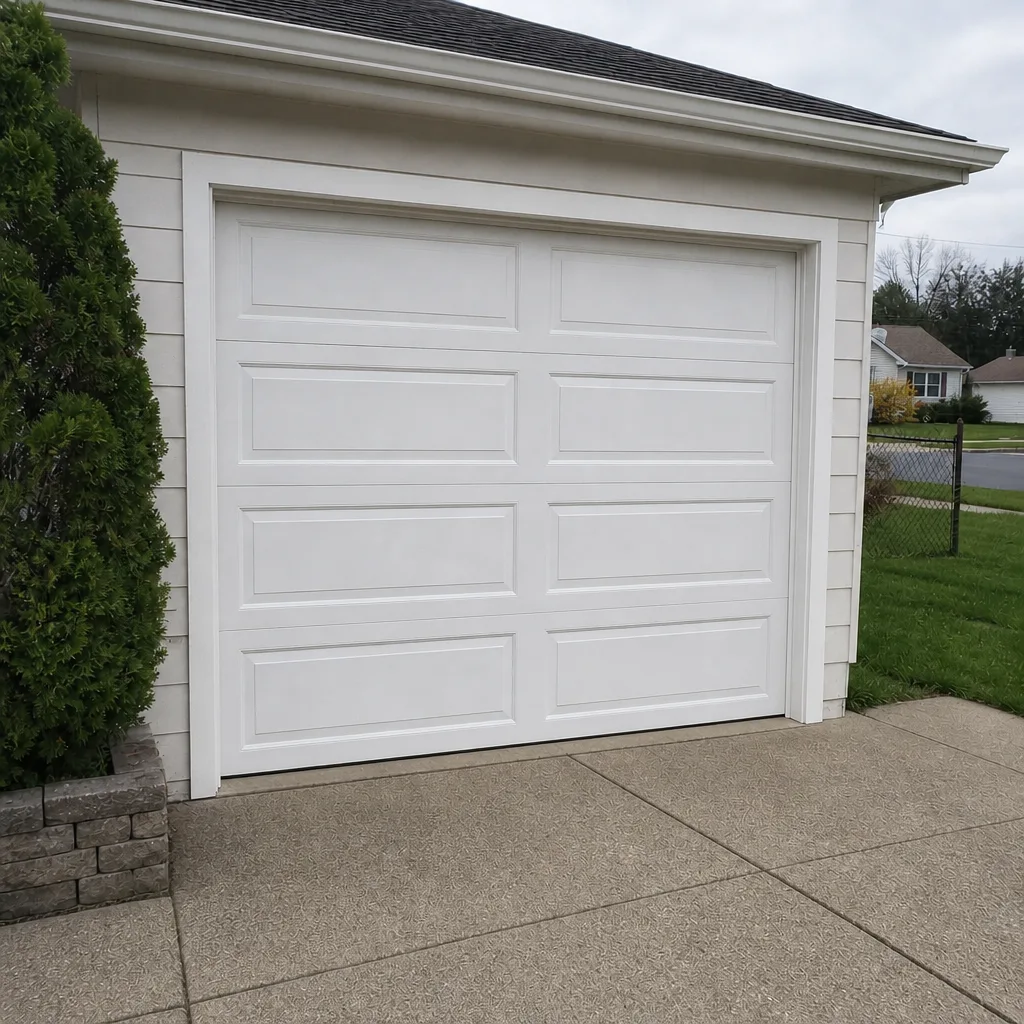 After
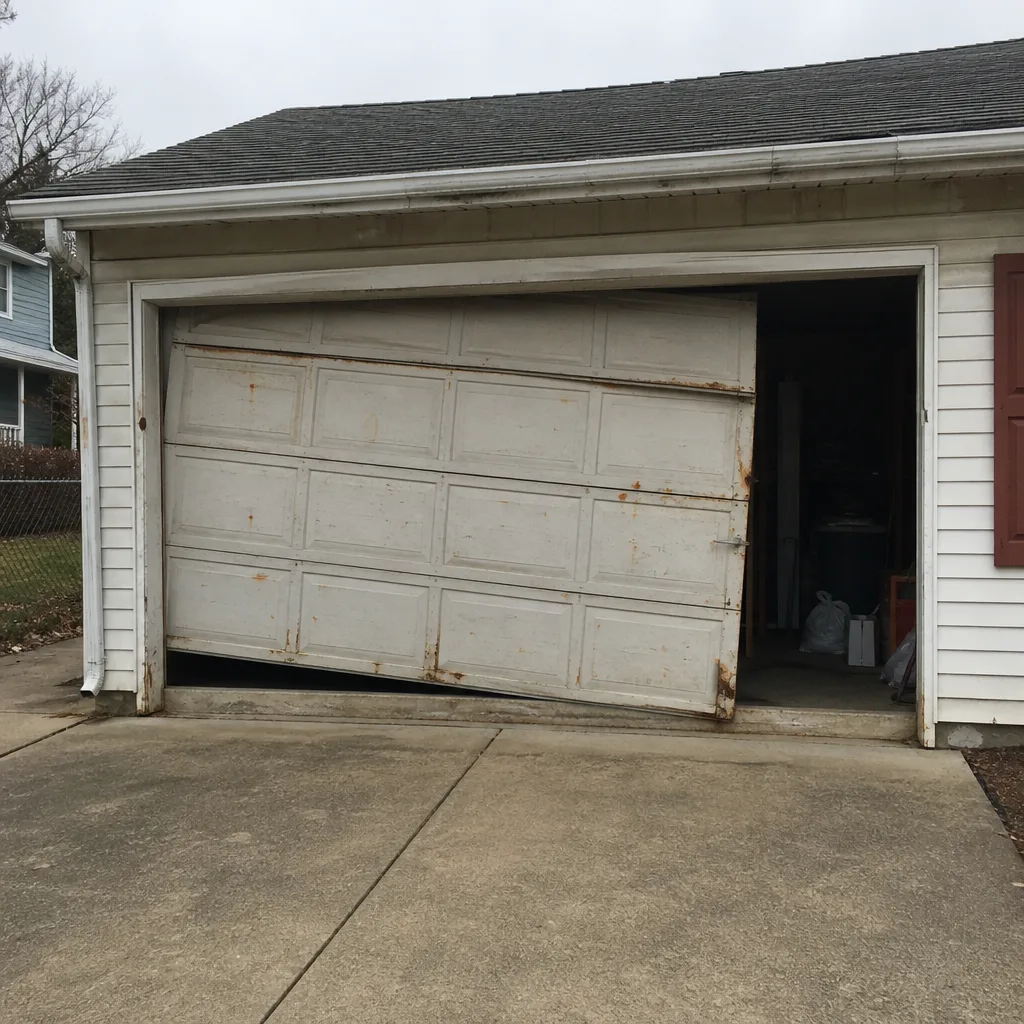 Before
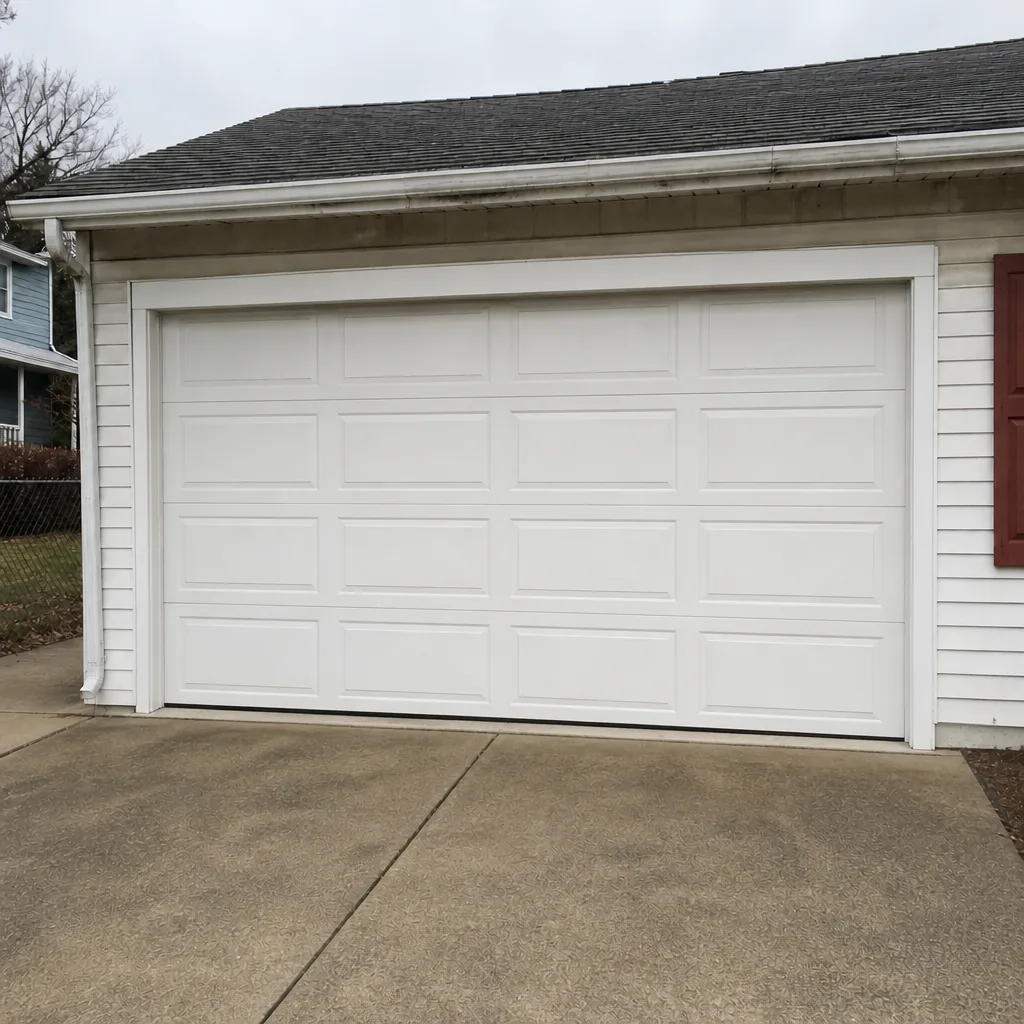 After
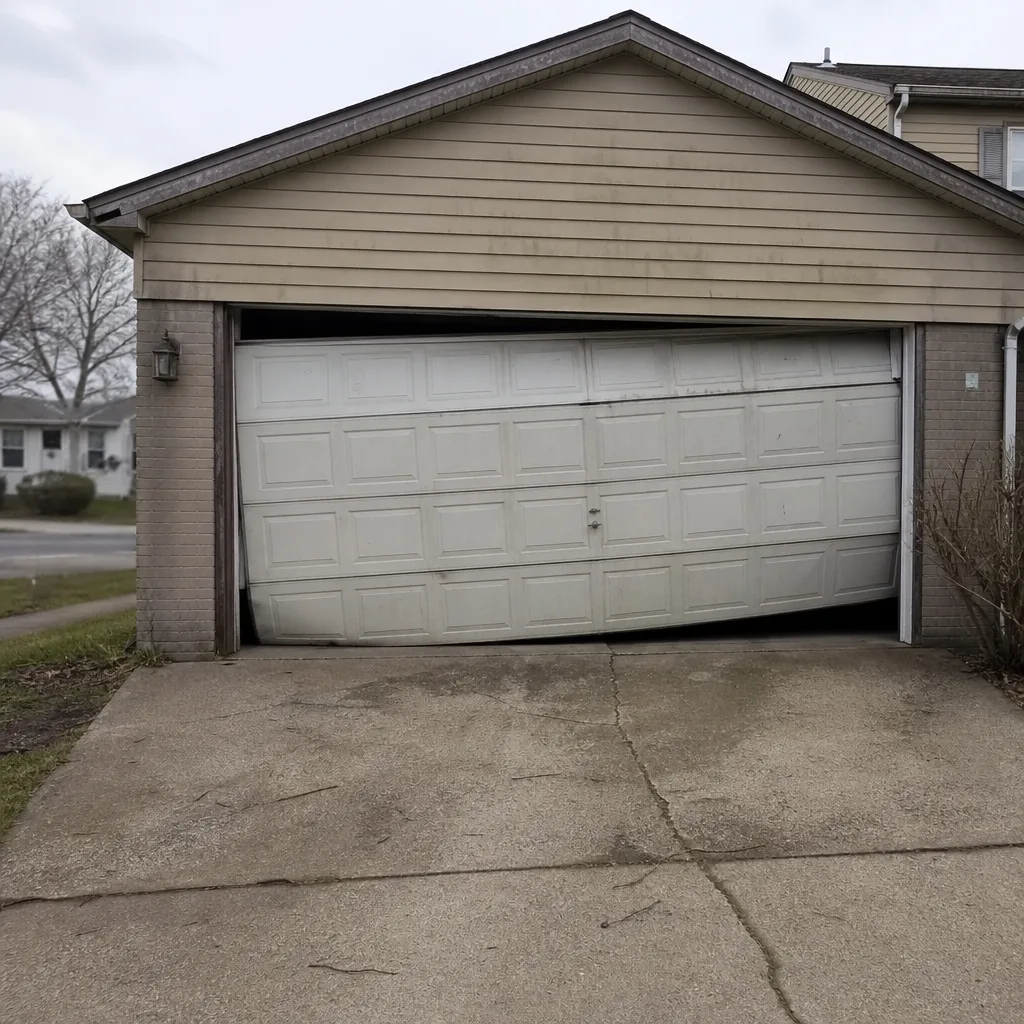 Before
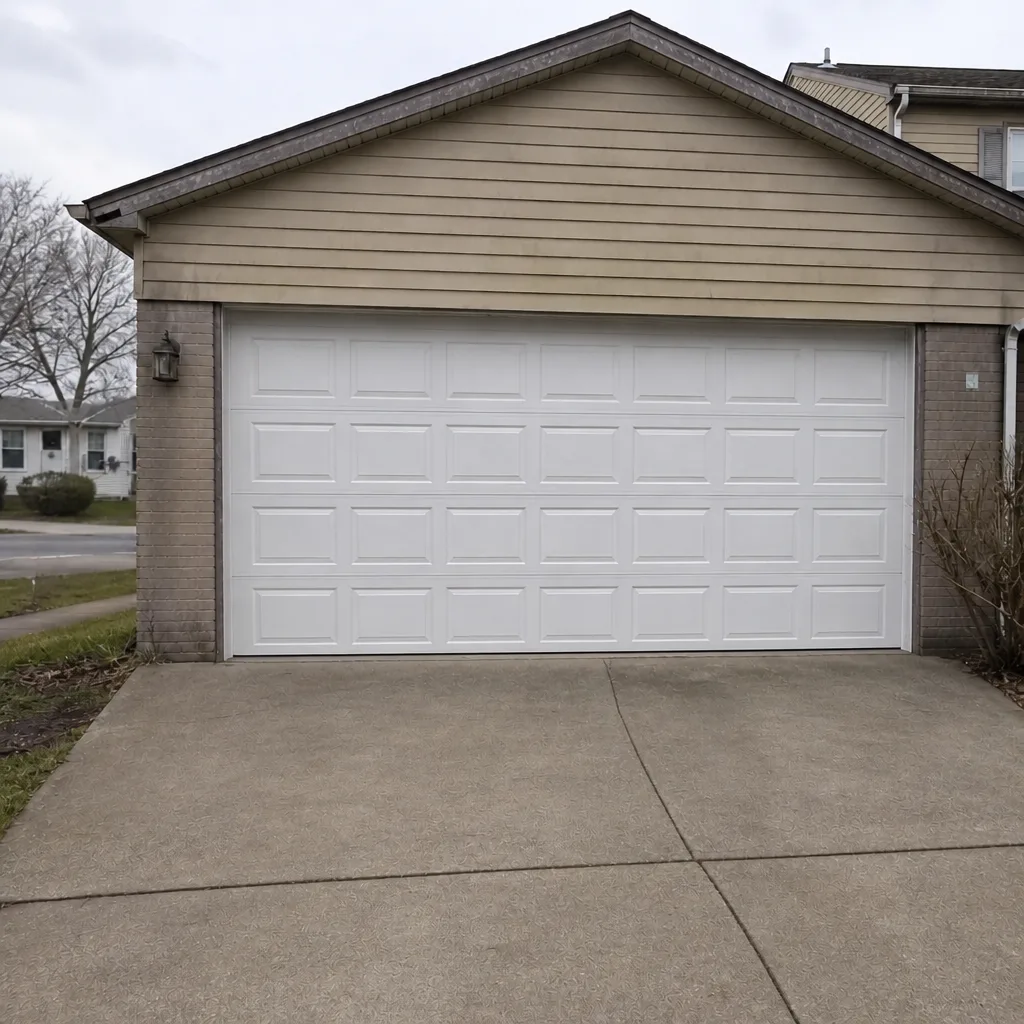 After
When to Call a Professional
Some issues are worth a service call and some can wait for a routine tune-up. Call a professional right away if the door won’t open or close, if a spring is broken, if the door has come off the track, if the opener is making grinding noises, or if the door reverses unexpectedly. Those are either safety concerns or signs of a system problem that will worsen with use. If your door is stuck open and your home is exposed, emergency service makes more sense than waiting for a routine appointment. Routine maintenance and tune-ups are worth booking proactively, especially on older attached garages in Woodbridge Township where hardware tends to work harder. For anything that’s genuinely dangerous, hire a trained technician; the risk isn’t worth the savings. Woodbridge Garage Door Repair Co offers free estimates in Woodbridge Township – call (877) 820-9179.
Frequently Asked Questions
Usually not, if the new door is the same size and fits the existing opening without structural or electrical changes. If you’re altering the opening, changing the framing, or adding wiring for a new opener, contact Woodbridge Township’s building department for guidance before scheduling the work.
Typical installed costs run from roughly $900 to $2,000 for a standard single-car steel door, and $1,500 to $3,500 for a two-car door, depending on size, insulation, and brand. Upgraded carriage-house styles land higher, often $2,500 to $6,000. Call (877) 820-9179 for an exact quote – estimates are free.
In most cases, yes. Spring repair is one of our core services, and we carry the parts needed for common residential setups. Call (877) 820-9179 and we’ll let you know the earliest available appointment.
The humidity and temperature cycling in Woodbridge Township put more constant stress on spring steel than drier inland conditions do. Springs here often cycle out faster than their rated life would suggest, especially on doors used multiple times a day. Regular lubrication and a yearly inspection stretch the life of a spring meaningfully.
Not safely in most cases. Even standard torsion springs require specialized tools and training, and a mistake can cause serious injury. Opener work, panel installation, and structural track adjustments also benefit from expertise. For anything involving springs or electrical work, hire a trained technician.
No, the price is quoted and agreed before any work starts. The written estimate you receive is what you pay, unless you ask us to do additional work beyond the original scope. That’s how we operate, and it’s how any reputable company should operate. Call (877) 820-9179 for an exact quote – estimates are free.
The Bottom Line
Garage doors in Woodbridge Township aren’t a generic purchase. The housing stock, the humidity off the waterways, and the age of many attached garages all change what door and hardware make sense. Match the door to the house, budget for the full lifecycle rather than just the purchase price, and get a written estimate before work starts. Springs and electrical repairs belong in a professional’s hands. For the rest, choose a specialist who knows your brand and commits to the price they quote – one call for springs, openers, panels, or a whole new door. To book an appointment or ask a question, reach out to Woodbridge Garage Door Repair Co and we’ll get you sorted.
If you’re ready to move from reading to getting a straight answer on your own door, call (877) 820-9179 for a free estimate. We’ll take a look, explain what needs doing, and quote the work in writing before anything starts. That’s the whole process – no surprises, no pressure, just your door working the way it should.
Written by the team at Woodbridge Garage Door Repair Co.