Last updated November 23, 2026
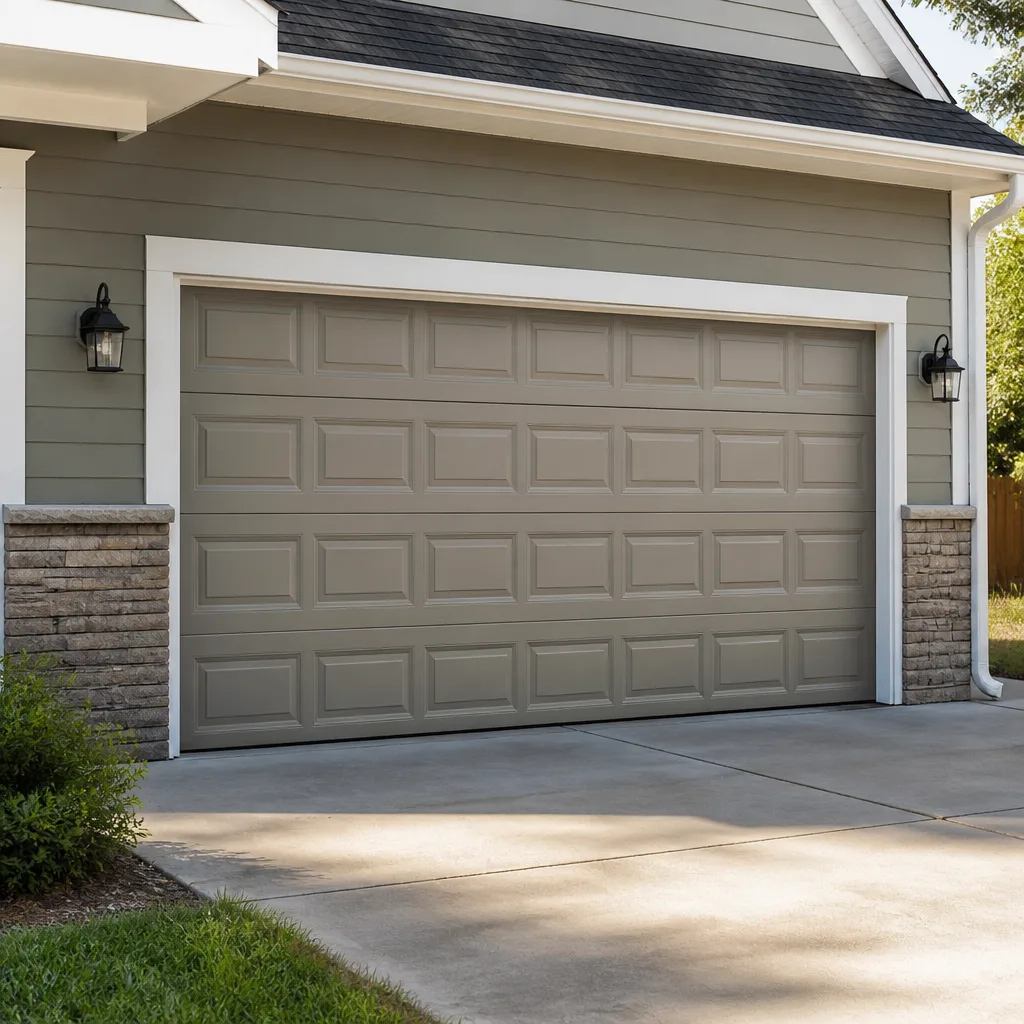 Raised-panel steel
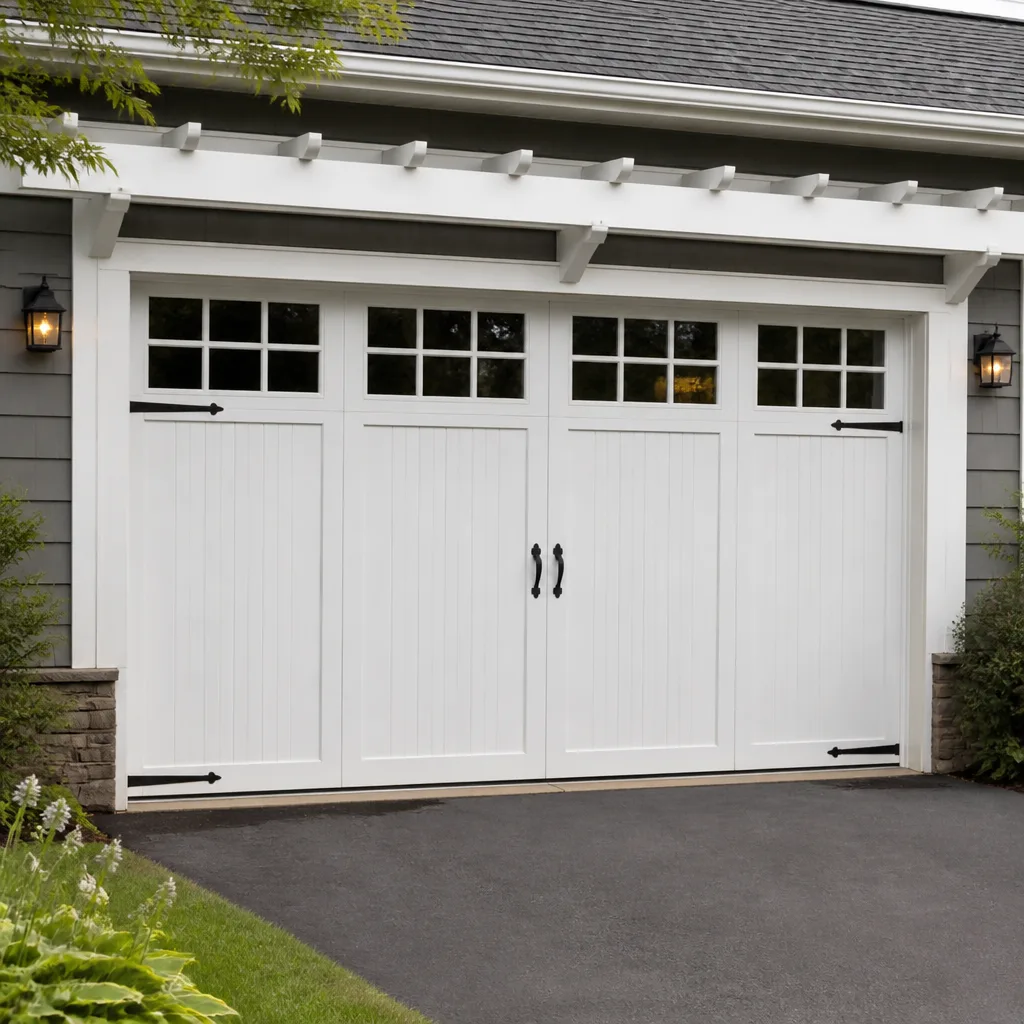 Carriage house
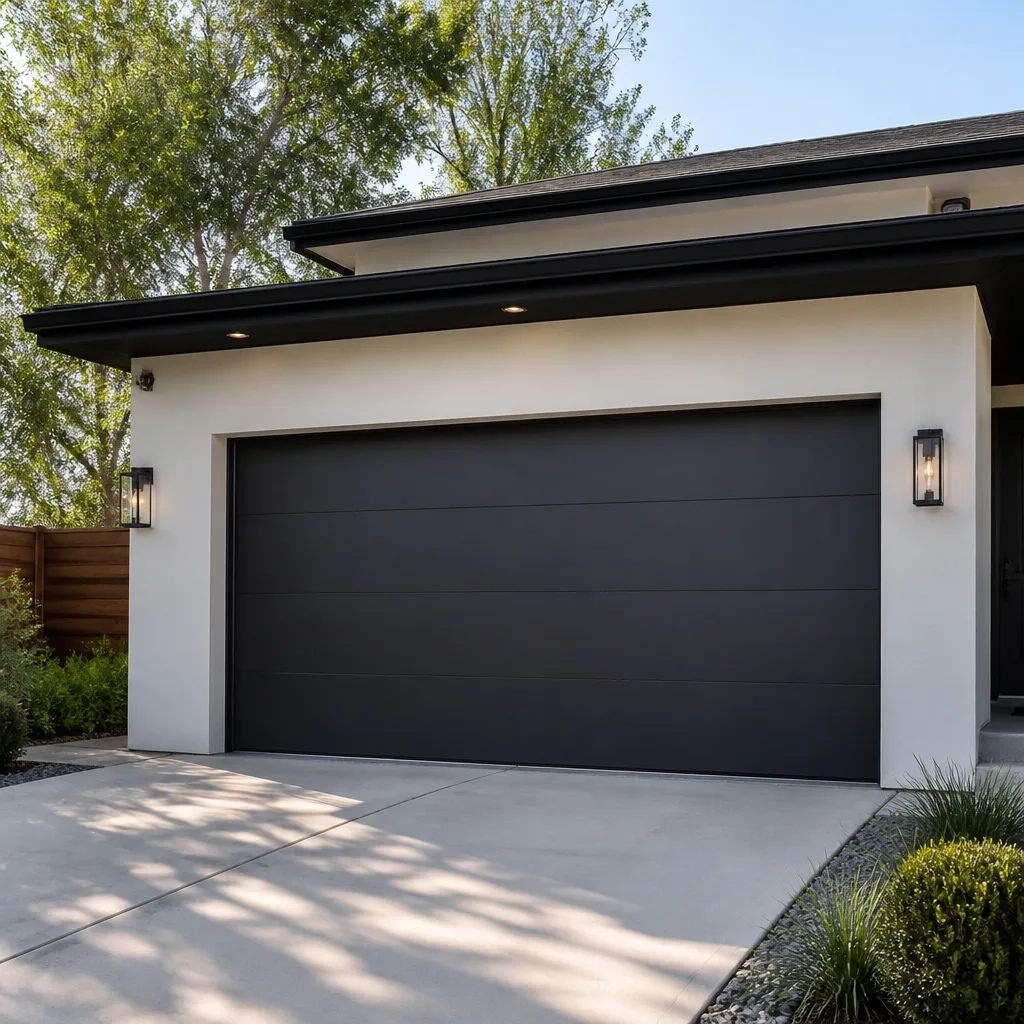 Modern flush
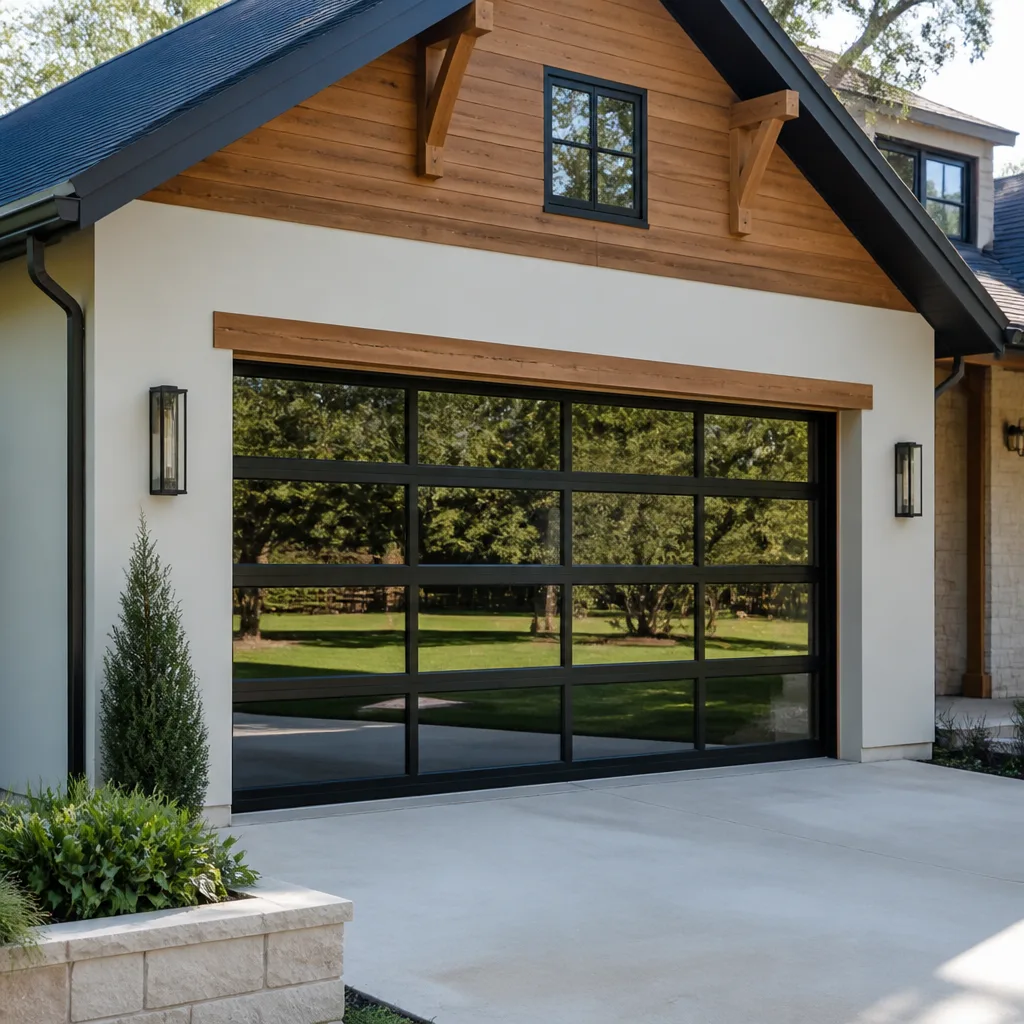 Full-view glass
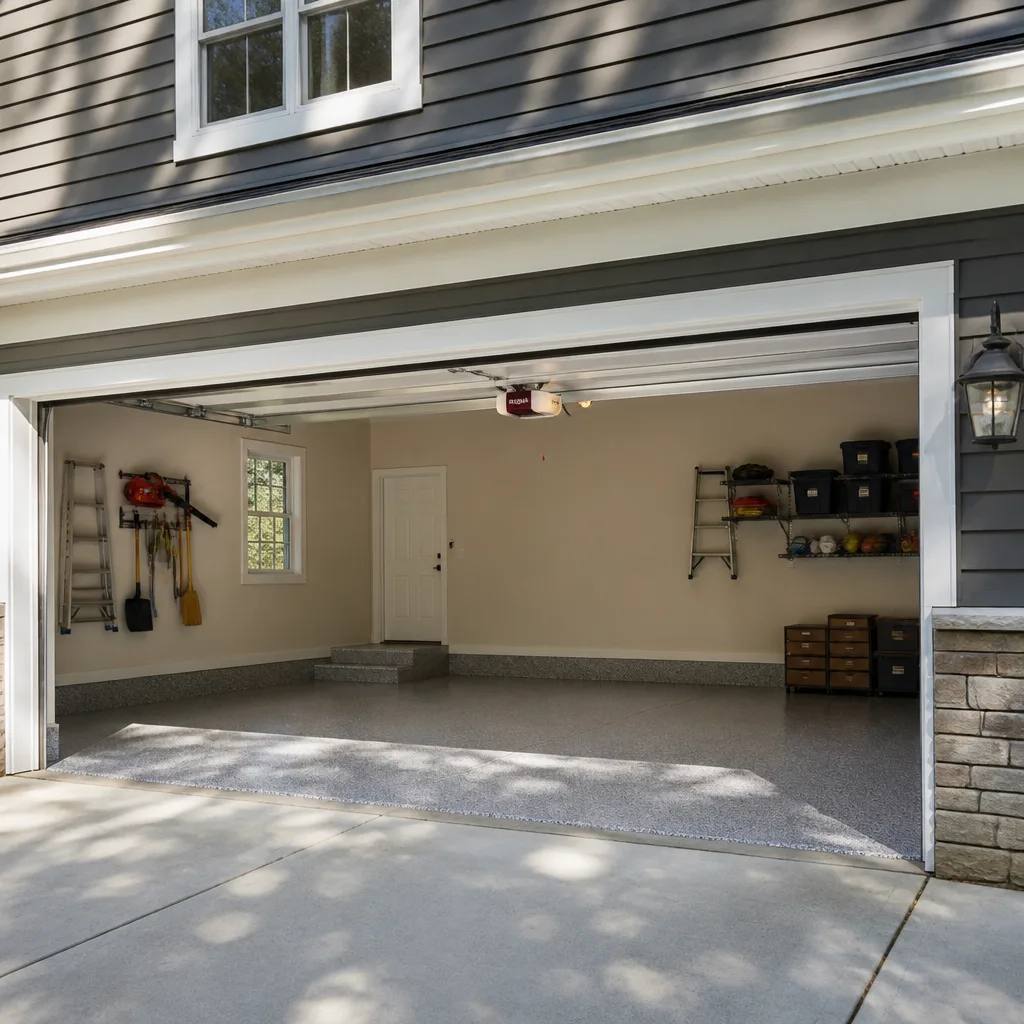 LiftMaster openers
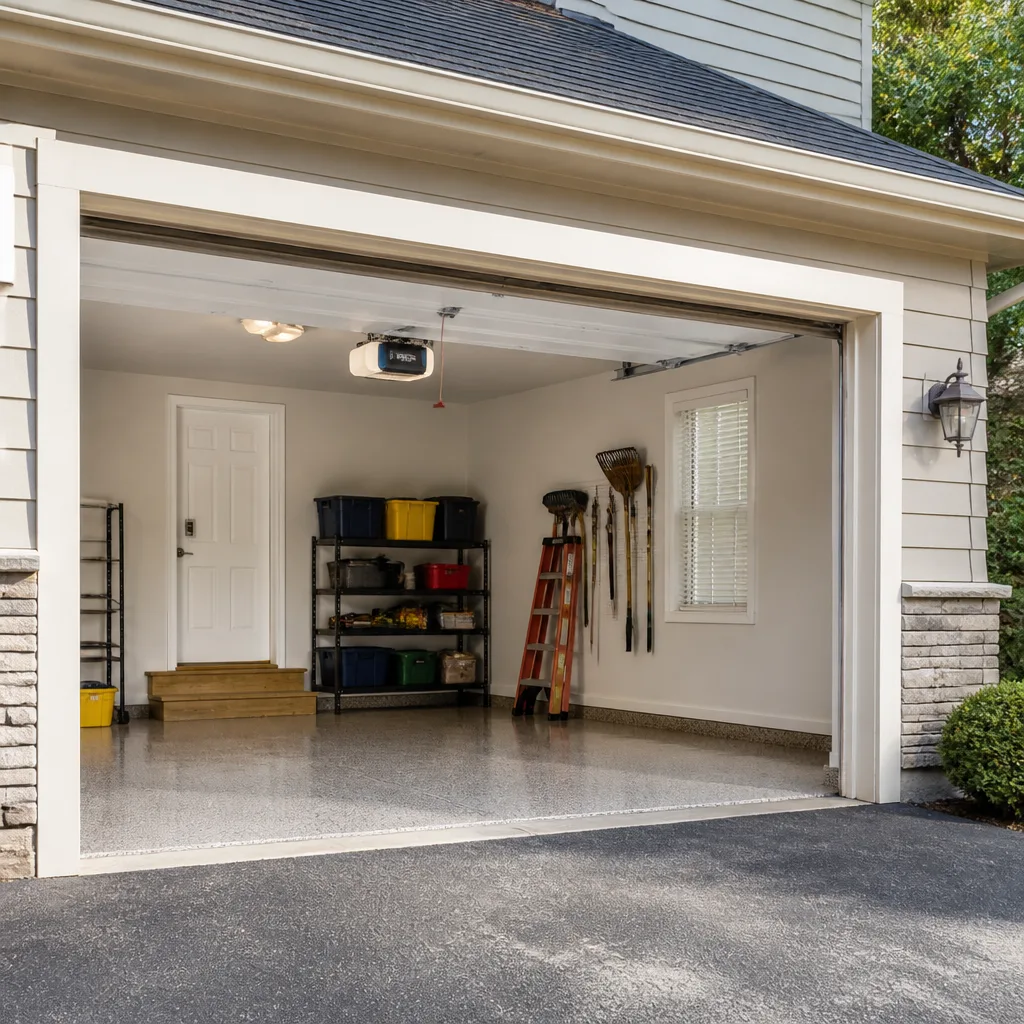 Chamberlain openers
Full 25-point door and opener safety check with every visit - springs, cables, rollers, tracks, and your LiftMaster or Chamberlain opener included
You get a price before we start. It does not change when the pro arrives.
Get your free estimateDIY vs Professional Garage Door: The Woodbridge Township Homeowner’s Decision Guide
Most advice on this topic gets the line in the wrong place. Homeowners are told either that every garage door job is a death trap best left alone, or that a few YouTube videos turn anyone into a door technician. Both are wrong, and the cost of believing either one is real. The truth is that a garage door is a machine with a few genuinely dangerous components and a much larger set of routine maintenance tasks. This guide draws that line clearly, task by task, with a green, yellow and red matrix, real cost comparisons, and New Jersey rules on attached garages so you know exactly what to attempt yourself in Woodbridge Township and what to hand to a trained professional.
Quick Answer
Homeowners should DIY only the low-energy tasks: lubricating hinges and rollers, replacing weather stripping and bottom seals, tightening bolts, and programming a remote or keypad. Anything that touches torsion springs, cables, the door’s balance under tension, or opener calibration is professional work, and in Woodbridge Township those jobs also carry permit and insurance considerations that make DIY a poor trade. The middle ground – opener replacement, panel swaps, and track adjustments – is doable with the right tools and a willingness to read the installation manual, but only if you understand what you’re adjusting before you touch it.
Styles & brands we work with
- Raised-panel steel
- Carriage house
- Modern flush
- Full-view glass
- LiftMaster openers
- Chamberlain openers
Table of Contents
- The Task-by-Task Decision Matrix: Green, Yellow, Red
- Why Torsion Springs Are Different From Every Other Part
- What a DIY Spring Replacement Gone Wrong Actually Costs in NJ
- Which Openers Are Genuinely DIY-Friendly and Which Aren’t
- NJ Liability and Homeowner’s Insurance for Attached Garages
- The Real Time-and-Money Comparison for the Five Most Common Jobs
- Woodbridge Township Specifics: Climate, Codes, and Housing Stock
- Common Mistakes to Avoid
- When to Call a Professional
- Frequently Asked Questions
The Task-by-Task Decision Matrix: Green, Yellow, Red
Here’s the framework we use when a Woodbridge Township homeowner calls and says “can I just do this myself?” We sort the job into one of three buckets, and most people are surprised by how much falls into green.
Green: DIY-Appropriate
These tasks involve low stored energy, no tension, and no ride-along risk if you make a mistake. You can do them with standard household tools.
- Lubricating hinges, rollers, and tracks. A few drops of a lithium-based or silicone lubricant on each hinge pivot keeps the door quiet and reduces strain on the opener. Apply every few months, more often in Woodbridge Township’s humid summers when dust clings to grease.
- Replacing weather stripping and the bottom seal. The rubber astragal along the bottom of the door presses against the floor. When it cracks or hardens, you slide a new one into the retainer. No tension involved.
- Tightening loose bolts on hinges and brackets. A socket set and five minutes. Loose hardware causes rattling and uneven tracking.
- Programing a new remote or wall keypad. The manual tells you which sequence to press. Most LiftMaster and Chamberlain units have a “learn” button on the back of the motor housing.
- Cleaning photo-eye lenses. If the door reverses when nothing is in the way, the safety sensors are usually dusty or misaligned. Wipe the lenses and check that both indicator lights are steady.
- Replacing a light bulb or battery backup. Follow the opener manual, and use the bulb type it specifies.
Yellow: DIY With Tools and Knowledge
These jobs are manageable for a competent homeowner who reads the instructions, buys or rents the right tools, and knows when to stop and call. The failure mode is usually not injury; it’s a door that doesn’t work right and a professional visit anyway.
- Replacing a whole opener (non-torsion doors). A basic belt-drive unit is a real project for someone comfortable on a step ladder with a second pair of arms. The trick is getting the rail aligned and the travel limits set correctly. Get it wrong and the door reverses halfway or slams down.
- Swapping a damaged bottom panel. If the panel isn’t under spring tension and the door is fully up, a panel swap is a bolt-on job. Never attempt it if the door is down or partially open.
- Adjusting a track that has been bumped. Small dents along the vertical track can be straightened with a rubber mallet and a block of wood. Never bend horizontal tracks or the curved transition.
- Resetting the opener’s travel limits and force settings. This is a calibration exercise. Most Genie and LiftMaster units have adjustment screws with clear markings. If the door doesn’t seat flat on the floor, the limits are wrong.
- Replacing a remote receiver or wall console. Low-voltage wiring and a few screws, but you need to match the frequency and compatibility.
Red: Professional Only, No Exceptions
These tasks involve stored mechanical energy that can injure or kill if released uncontrolled. There is no safe DIY version of them.
- Torsion spring replacement. These springs store enough force to cause serious injury if they let go. This is the single job on this list that no homeowner should attempt.
- Extension spring replacement. Lower stored energy than torsion, but still enough to snap violently and cause serious injury, especially on older openers that have no safety cable.
- Replacing or adjusting lift cables. Cables are under extreme tension whenever the door is closed. A snapped cable whips through the air.
- Anything that requires releasing spring tension to fix a door that is stuck closed or off track. If the door is jammed, the tension has to come off the springs before anything else can be touched.
- Replacing a bent or broken center bearing plate, drum, or torsion tube. These are part of the spring system.
- Re-securing a spring anchor plate that has pulled out of the wall header. This means the springs must be de-tensioned, the header repaired, and the system reinstalled.
The simplest rule: if the repair requires touching the springs or cables, stop and call a professional. We handle garage door spring repair because it’s a specialist job that general handymen avoid for the same reason.
Why Torsion Springs Are Different From Every Other Part
A torsion spring is a coiled steel bar that has been wound under load and pinned in place. It stores the energy needed to lift the full weight of a door – often well over a hundred pounds – so the opener motor only has to guide it up and down. When the spring is live, that energy is constantly trying to unwind. When the spring breaks or is released without the proper winding bars and technique, the energy releases instantly.
That’s not a liability disclaimer, it’s just how the mechanism works. Homeowners who have never watched a spring under load assume that because the door moves slowly, the force is gentle. The opposite is true: the door moves slowly because the springs are carefully releasing stored energy at a controlled rate. Remove the control and the energy has nowhere to go but out.
The other thing worth understanding: modern doors on attached garages in Woodbridge Township almost always use torsion springs mounted on a shaft above the door. Older doors in some of the township’s 1950s and 1960s neighborhoods still use extension springs that run alongside the horizontal tracks and stretch when the door closes. Extension springs are less energy-dense but still dangerous, and any extension spring installed after a certain point should have a safety cable running through it. If you’re not sure what you have, look for the horizontal springs above the tracks; those are extension. The coiled spring on a bar over the door is torsion.
For either type, the professional path is straightforward. A technician measures the spring’s wire gauge, inside diameter, and length, matches it to the correct replacement, winds it with two steel rods, and balances the door so the opener does the minimum work. The whole job is usually under an hour for a single spring, and the door comes back to you balanced and quiet. Compare that to the risk and time of a DIY attempt and the math doesn’t favor DIY.
What a DIY Spring Replacement Gone Wrong Actually Costs in NJ
Nobody plans for a spring replacement to go wrong, and the failure modes are rarely discussed on the videos that tell you to try it. Here is what the cost actually looks like when it does, broken down by what typically happens.
The Failure Modes
- The spring releases during removal. Without the right winding bars in the right holes, the spring can kick free. Homeowners have gone to the emergency room for hand, wrist, and facial injuries from this. An ER visit with imaging and follow-up is a real expense, and hand injuries often mean time off work on top of it.
- The new spring is the wrong size. A spring that’s slightly oversized or undersized will either lift the door too aggressively or fail to balance it. The opener works harder, cycles fail earlier, and the door can drift. The professional repair still has to be done afterward, and now you’ve paid for a spring you can’t use.
- The door comes off the tracks. Springs are usually paired with the cables, and if one side releases before the other, the door twists on its tracks. Bent tracks, snapped cables, and a door that won’t close can all result. Panel damage in this scenario often means replacing one or more sections.
- The opener gets damaged. A door under no spring tension is dead weight on the opener. The motor and logic board can fail, and now you’re calling for garage door opener repair on top of the spring work.
- The imbalance damages the door over time. If the fix “works” but the door isn’t balanced, the hinges and rollers wear faster, and you’re back to a repair call a few months later.
The Cost Side
A professional spring replacement in Woodbridge Township is a typical range you can plan for. A DIY attempt that goes wrong, by comparison, usually lands in one of these buckets:
- Injury plus completed repair: the ER visit and lost time, plus the professional spring replacement you now need.
- Wrong parts plus completed repair: the cost of the parts you bought plus the professional spring replacement that installs the right ones.
- Door damage plus completed repair: bent tracks, snapped cables, or damaged panels on top of the spring work.
- Opener damage plus completed repair: motor or logic board work on top of the springs.
In almost every scenario, the DIY path doesn’t save money once you price in the possibility of a single failure. And if the injury is to a hand, the time off work alone swallows whatever you saved. The written estimate you get from a professional locks in the price before any work starts, so the professional path has no surprise invoice at the end. That’s the trade you’re making.
Which Openers Are Genuinely DIY-Friendly and Which Aren’t
Opener replacement is the grayest area on the matrix, and the answer really does depend on the brand and model. Openers sold at big-box stores in central New Jersey fall into roughly two categories, and the difference comes down to how much calibration is required after the mechanical install.
Genuinely DIY-Friendly
The basic chain-drive and belt-drive models from Genie and Chamberlain are the most forgiving for a homeowner with a step ladder, a socket set, and a second set of arms. The rail is usually pre-assembled or assembles in a few sections, the travel limits are adjustable with a screwdriver, and the manual walks through the safety reversal test. If your door is already balanced and the existing mounting hardware is sound, replacing a dead opener with a like-for-like unit is a realistic half-day project. That’s not a small job, but it’s a manageable one.
Professional-Calibration Openers
Openers with built-in Wi-Fi, battery backup, jackshaft (wall-mounted) designs, and side-mount designs are a different animal. The setup steps are more involved, the force and travel calibration is less forgiving, and the safety reversal test is more complex. Side-mount openers in particular are usually installed on doors with high-lift or low-headroom track configurations, which are almost never a straightforward swap. A LiftMaster jackshaft unit or a belt-drive with battery backup is the kind of thing we install and calibrate because the setup is where the quality lives.
If you go the DIY route on an opener, the two failure modes we see most often are:
- The rail isn’t properly seated, so the door binds partway up and the opener strains.
- The travel limits are set too far, so the door pushes down on the floor or reverses on its own.
Both are fixable with the manual and a little patience, but they’re the reason a professional opener replacement and calibration often comes in cheaper than the second attempt. We work on the brand already in your garage, and there’s no reason to swap everything out just because the opener died.
NJ Liability and Homeowner’s Insurance for Attached Garages
This is the part of the DIY decision that has nothing to do with skill, and it’s the part most homeowners never think about until something goes wrong.
An attached garage in Woodbridge Township is part of the home’s structure. Most municipalities in New Jersey require a permit for structural changes to the garage, and that includes replacing the door frame, cutting into a load-bearing header, or installing a door that changes the opening. Replacing a like-for-like operator or door usually falls outside permit territory, but enlarging an opening, changing from a single door to a double, or modifying the framing generally does not.
Where the liability comes in:
- A failed safety reversal. If the door doesn’t reverse on contact with an obstacle and someone is injured, the question of who installed and calibrated it becomes central. An unpermitted or uncalibrated install can shift risk back onto the homeowner.
- Structural work done without a permit. If a later inspection or a claim surfaces an unpermitted structural change, the homeowner can end up on the hook for the costs of bringing it into compliance.
- Resale disclosure. If a home sells and the buyer’s inspector flags unpermitted garage work, the negotiation usually costs the seller more than the permit would have.
The simplest safe rule: for structural work, call the Woodbridge Township building department and ask whether the scope you’re considering needs a permit. For spring, cable, and opener calibration work, hire a licensed professional so the liability sits with the licensed trade. Our technicians have up to 15 years of experience, and we carry the licensing that the work requires.
The Real Time-and-Money Comparison for the Five Most Common Jobs
Time is the invisible cost in every DIY decision. Here’s how the math breaks down for the five jobs we get called about most in Woodbridge Township.
1. Spring Replacement
DIY time is hours if you know what you’re doing, and dangerous regardless. Tool cost is the winding bars plus a spring that may or may not be the right gauge. Professional time is usually under an hour. Call for garage door spring repair and you’re back to a balanced door the same visit.
2. Opener Replacement
DIY time is a half day for the simplest units and most of a day for the Wi-Fi and battery-backup models. Tool cost is low; you already own most of what you need. Professional time is typically 90 minutes to two hours including calibration.
3. Weather Stripping and Bottom Seal
DIY time is 20 to 30 minutes with a utility knife and a new seal. Tool cost is under the price of the seal itself. This is a clear win for DIY, and we don’t try to talk people out of it.
4. Panel Replacement
DIY time is one to two hours for an undamaged lower panel with the door fully up. The complication is matching the color and panel profile; if the panel is discontinued, you’re ordering from a specialist anyway. Professional time is about an hour.
5. Track and Roller Replacement
DIY time is misleading because of the spring tension. Roller replacement at the hinge area is a 30-minute job with the door down and stable. Full track replacement is a professional job because the springs need to come off first.
Cost Ranges You Can Plan Around
For a professional quote, you’re typically looking at:
| Job | Professional typical price (estimate) |
|---|---|
| Single torsion spring replacement | $180 – $340 |
| Matched spring pair | $360 – $680 |
| Opener replacement (simple unit) | $250 – $500, plus opener cost |
| Weather seal and bottom seal (parts and labor if we do it) | Under $150 |
| Panel replacement | $200 – $450 per section |
These are typical ranges, not quotes. The written estimate, provided before work begins, sets the final price, so you know what you’re approving up front. The one thing we won’t do is surprise you with a bigger number after the fact.
Woodbridge Township Specifics: Climate, Codes, and Housing Stock
Woodbridge Township’s housing ranges from mid-century capes and split-levels in Colonia and Iselin to newer construction in the Avenel and Woodbridge proper areas. That matters for DIY because the doors and openers vary wildly in age and design.
Older 1950s and 1960s doors are more likely to use extension springs, and many were installed before safety cables were standard. If you have an older Woodbridge Township home, look at the equipment before deciding anything. If the door is wooden and shows water staining at the bottom panels, the wood may have swollen or rotted, in which case no amount of opener calibration will fix it. We’ve seen this pattern specifically with older wooden doors in the older sections of town where humidity from the Raritan River valley keeps the wood damp more of the year than you’d expect.
The township’s hot, humid summers and cold winters put real stress on seals, lubricants and springs. Greasing hinges and checking the bottom seal before winter is one of the best DIY routines we can recommend. It’s also the routine that catches a spring near the end of its life before it snaps on a busy morning.
And code matters. Permit requirements for structural changes on attached garages fall under the township’s building department. We recommend calling them before any scope that alters the door opening. It’s a five-minute call and it saves a lot of trouble later.
Common Mistakes to Avoid
- Attempting a spring replacement to save a little money. Every professional on the planet will tell you the same thing. The injury risk and the likelihood of a second repair outweigh any savings by a wide margin.
- Buying a universal opener without checking compatibility. Big-box openers are cheap, but not every older door can handle every new unit. A LiftMaster that needs a specific mounting bracket or a Chamberlain that’s incompatible with the existing safety eye wiring both turn into an unexpected professional call.
- Adjusting the force setting to “fix” a door that’s binding. This is the most common opener mistake we see. The force setting is a safety limiter, not a troubleshooting dial. If the door binds, the fix is at the door, not the motor.
- Tightening the spring anchor bolts without checking the header. If a spring anchor plate has loosened, the header may be the problem, not the bolts.
- Using a general handyman for a spring or cable job. The task requires specific training and tools. A generalist can often do the mechanical work, but the calibration and safety checks are different, and it’s what you’re paying for.
- Skipping the safety reversal test. After any opener work, put a piece of wood on the threshold and close the door. It should reverse on contact. This takes 30 seconds and is the single best test of whether a DIY opener install is finished.
- Working on a door that’s partially open. A partially open door is the most dangerous state to work on because the tension is at an in-between point. If the door isn’t fully up or fully down, don’t start.
When to Call a Professional
Call a professional if any of these apply:
- The door is stuck partially open and won’t move.
- You’ve heard a loud bang from the garage and the door won’t lift.
- You’ve seen a broken spring or a snapped cable.
- The opener hums but the door doesn’t move.
- The door reverses on its own or doesn’t close all the way.
- You need a full new door, panel or opener installed and calibrated.
- Any work that requires releasing spring tension.
- Any structural work on an attached garage where the permit status is unclear.
Woodbridge Garage Door Repair Co offers free estimates in Woodbridge Township. Call (877) 820-9179 for a quote, and we’ll tell you honestly whether the job is something you should do yourself. We are open Sunday through Friday, 7am to 7pm, and closed Saturday. Emergency service is available if a door fails and you need it back up before the work week starts.
Frequently Asked Questions
No. A torsion spring is under extreme stored tension, and the winding bars the job requires are only part of the safety picture; the technique of safely de-tensioning and re-tensioning is the part that takes training. Even with the correct tools, the risk of injury and of a costly secondary failure is too high. Call a professional.
A single torsion spring replacement typically runs $180 – $340, and a matched pair is usually replaced together at roughly twice that, so $360 – $680. Call (877) 820-9179 for an exact quote, and estimates are free.
Yes. This is one of the easiest DIY tasks on a garage door. Most Chamberlain and LiftMaster units have a learn button on the back of the motor, and the manual gives the sequence. If you’ve lost the manual, it’s usually findable online by model number.
For replacements that don’t change the opening or framing, permits usually aren’t required. For structural changes to an attached garage, most townships, including Woodbridge Township, do require a permit, and unpermitted work can complicate a home sale or an insurance claim. Ask the township building department before you start.
Worst case, it includes emergency room costs for an injury, the cost of wrong-size parts, and the professional repair that still has to be done afterward, plus potential damage to tracks, cables, or the opener. In most cases the DIY path costs significantly more than a professional repair. Call (877) 820-9179 for a free estimate and skip the risk.
Yes. Our technicians have up to 15 years of experience and are licensed and insured as the state requires. We’ve made it our job to know the brands sold in New Jersey, including Chamberlain, Genie, LiftMaster and Raynor, and we can work on what you already have. Call (877) 820-9179 for a free estimate.
Yes. Emergency garage door service is available, and a door stuck open is exactly the call we want you to make. We are open Sunday through Friday, 7am to 7pm, and closed Saturday. Call (877) 820-9179 and we’ll get you scheduled.
Usually under an hour for a single spring on a standard residential door, and a matched pair is similar. The exact timing depends on the door and whether the cables need attention. The written estimate tells you the scope before work begins.
The Bottom Line
DIY vs professional isn’t a skill question. It’s a decision about which tasks involve stored mechanical energy and which don’t. Lubricate your hinges, replace your weather stripping, program your own remote, and check your safety reversal. Call a professional for springs, cables, opener calibration, and anything that requires releasing tension or altering the structure of an attached garage in Woodbridge Township. The task-by-task matrix above is the whole framework in one place, and the cost of a DIY spring job that goes wrong is the argument for handing that one to a specialist. If you’re not sure which bucket a job falls into, call and ask. We’d rather tell you it’s a green-light job than have you spend money you don’t need to.
Call Woodbridge Garage Door Repair Co at (877) 820-9179 for a free estimate in Woodbridge Township. We are open Sunday through Friday, 7am to 7pm, and closed Saturday. Whether you’re facing a garage door repair, a new opener, or a full door install, we’d be glad to take a look and give you a straight answer. Garage doors are all we do.
Written by the team at Woodbridge Garage Door Repair Co.
See the difference
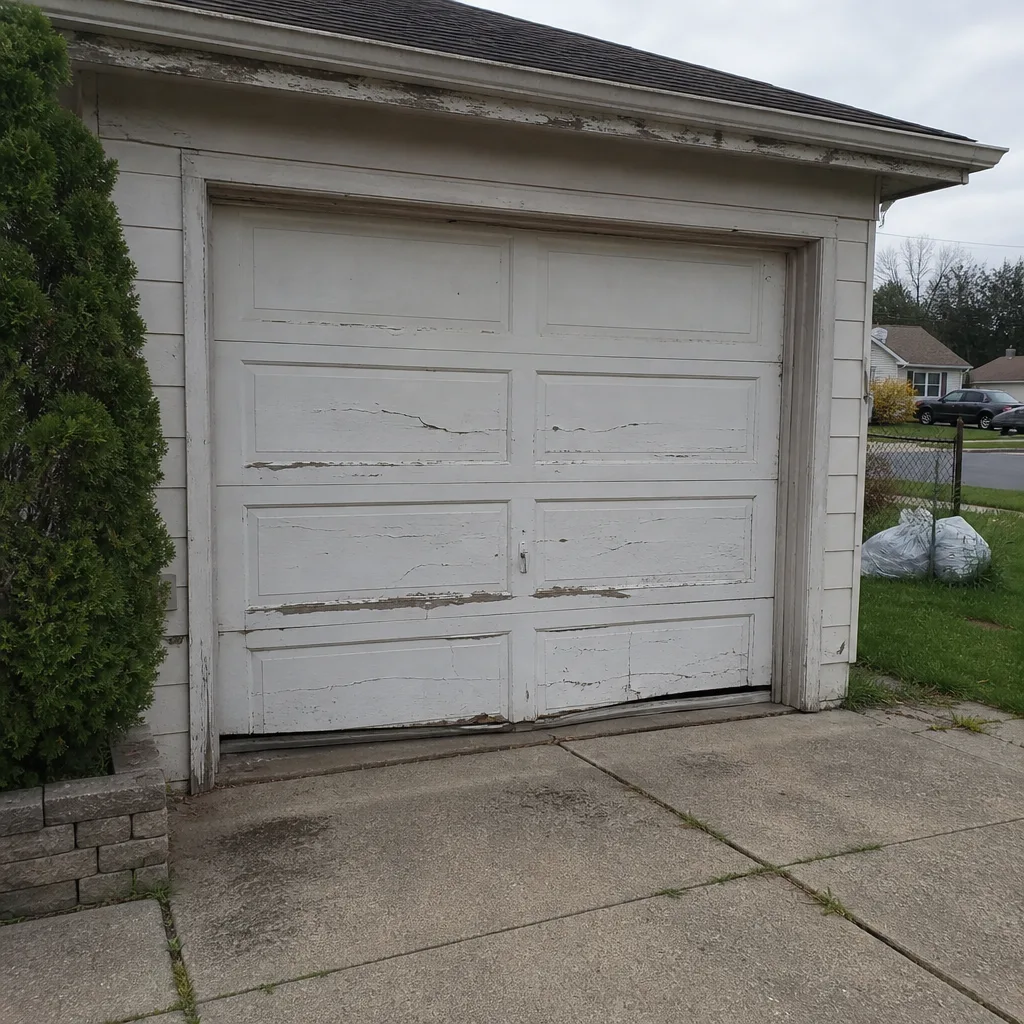 Before
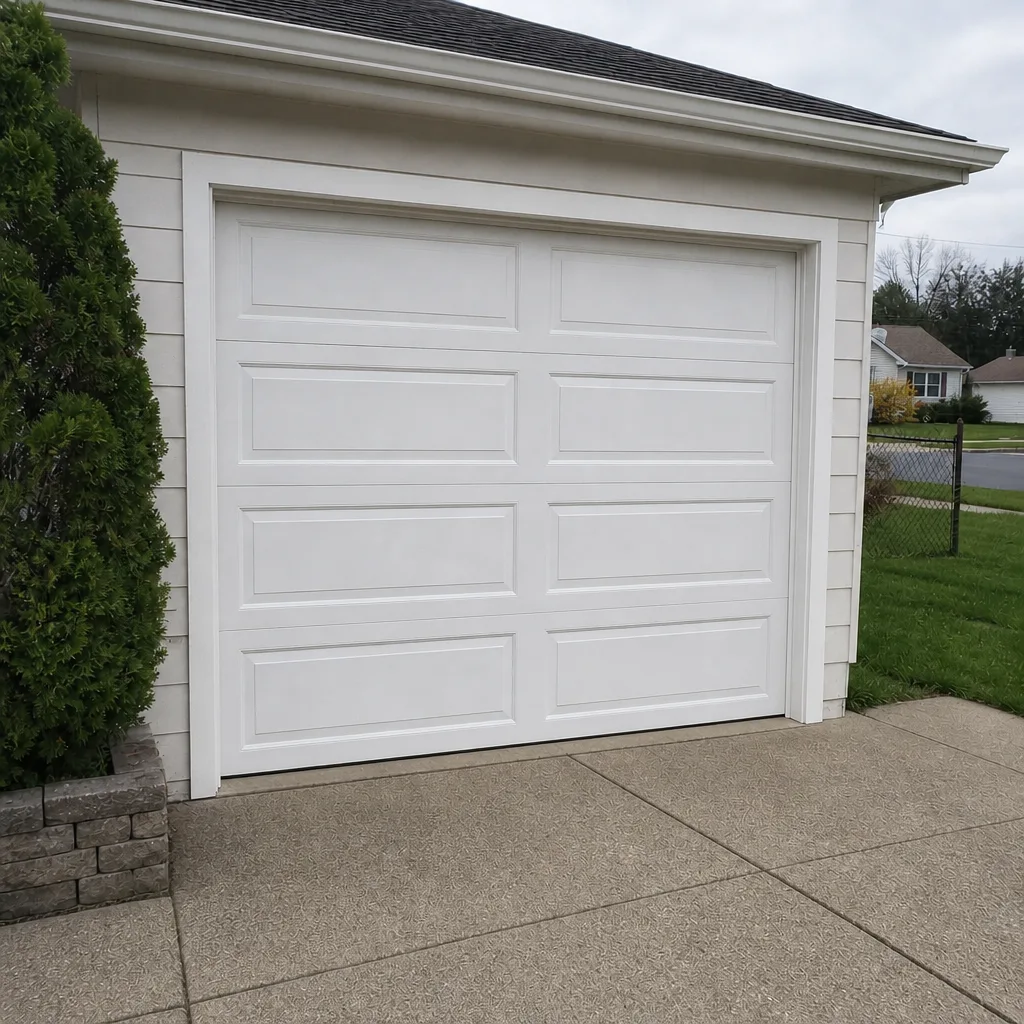 After
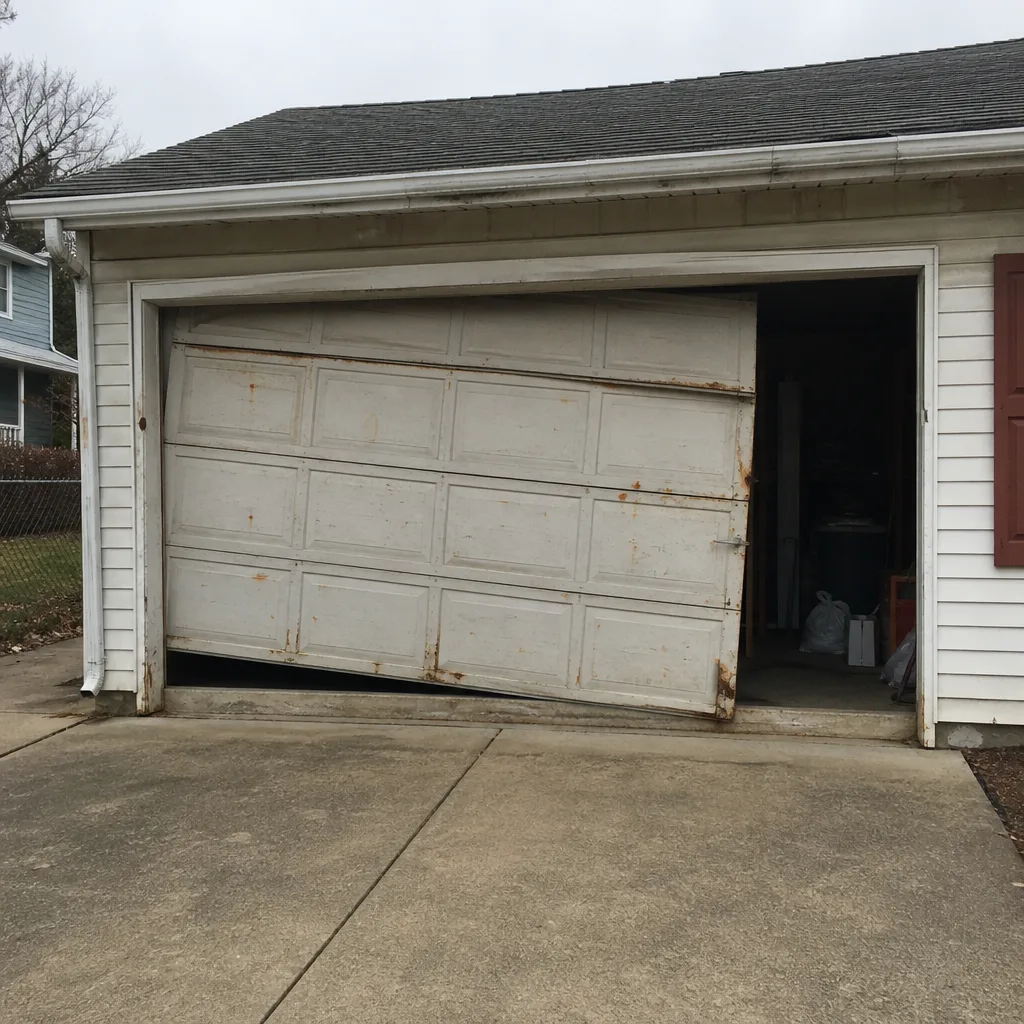 Before
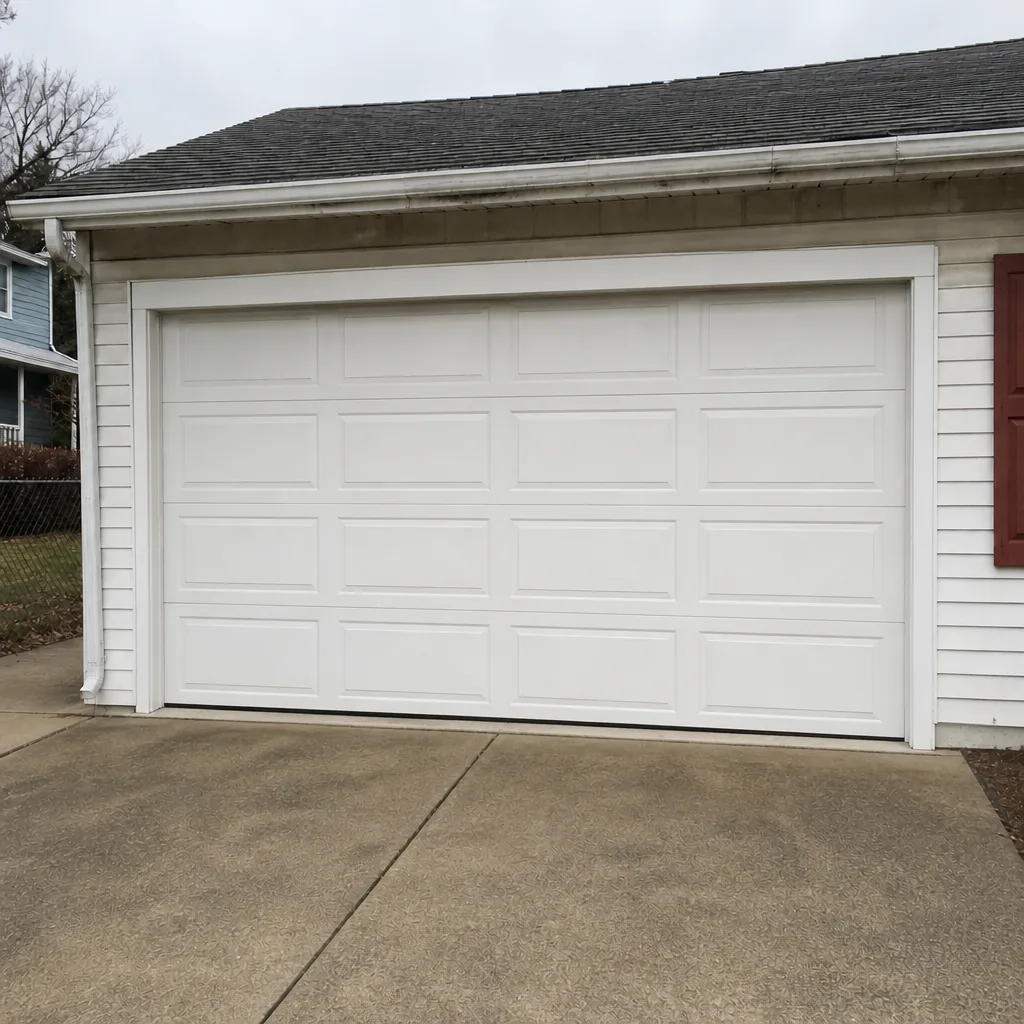 After
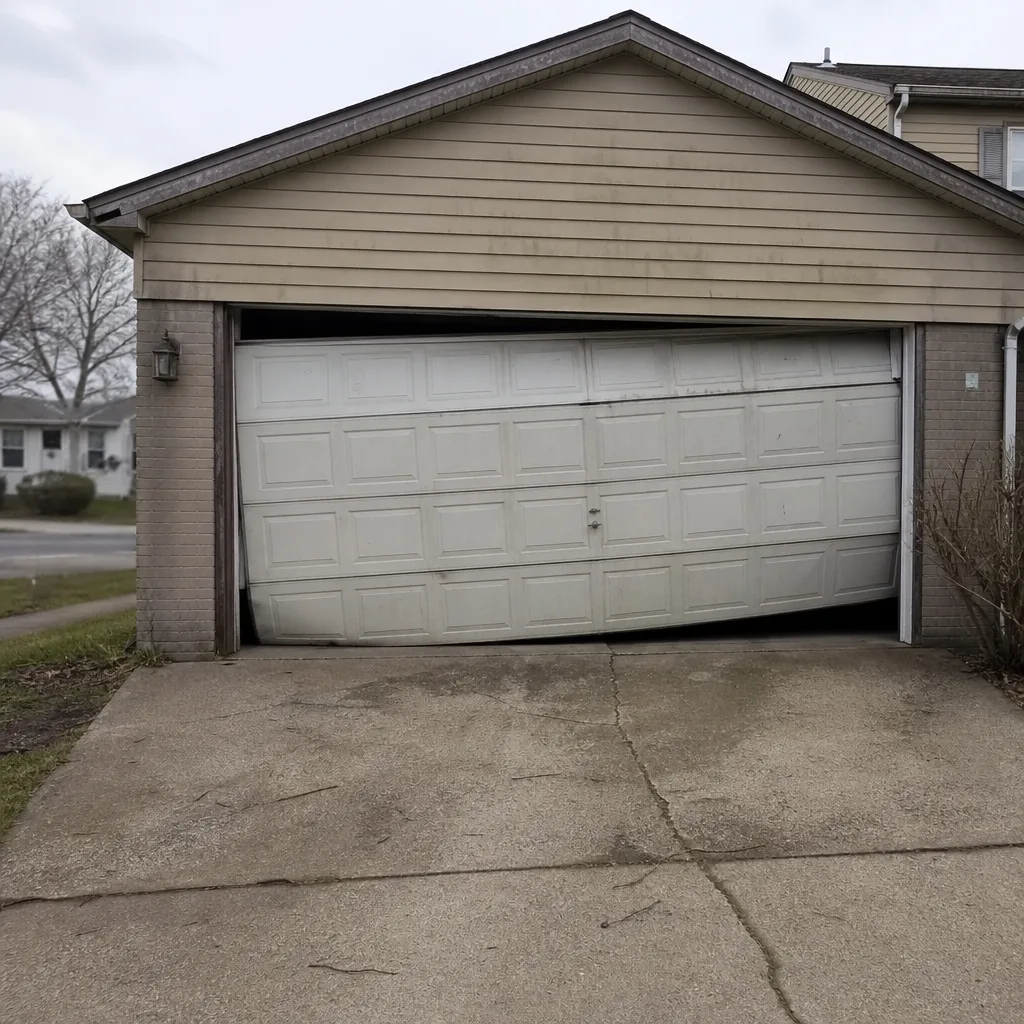 Before
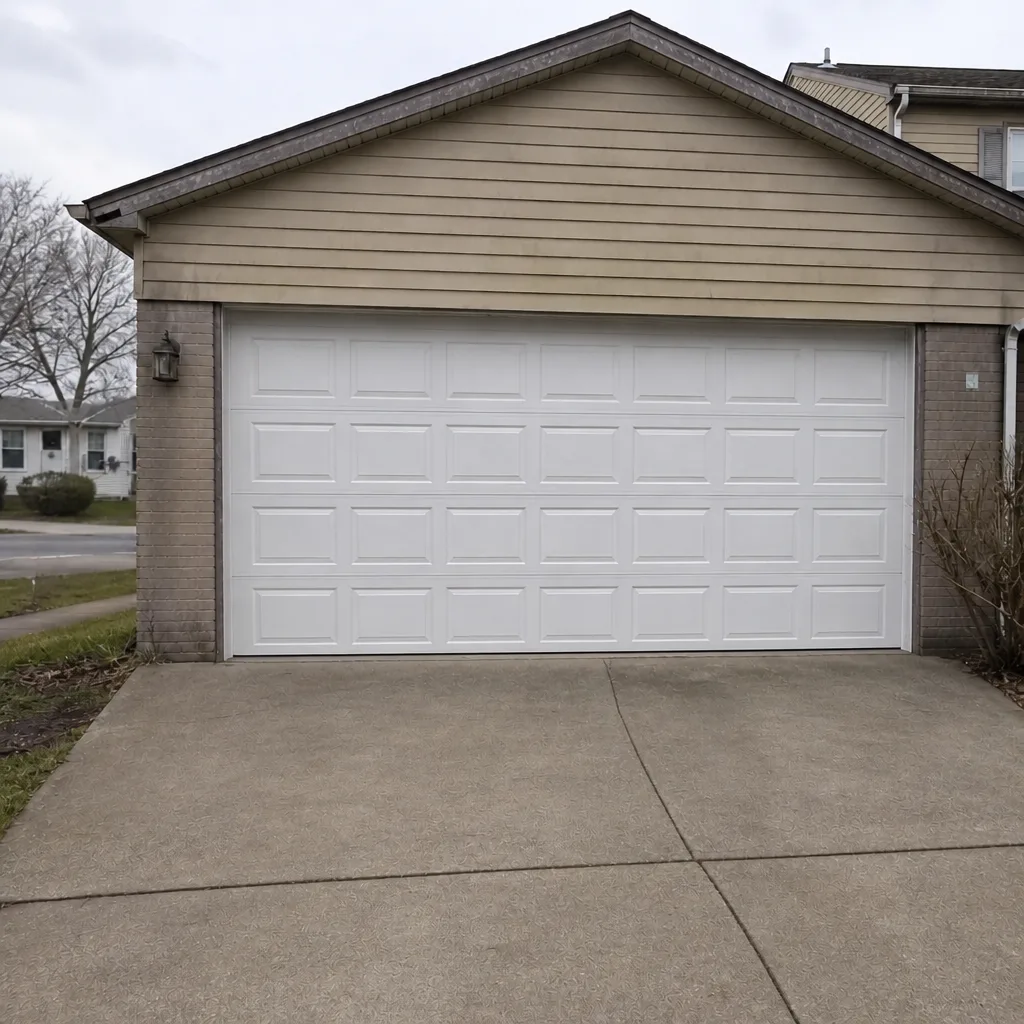 After