Last updated November 23, 2026
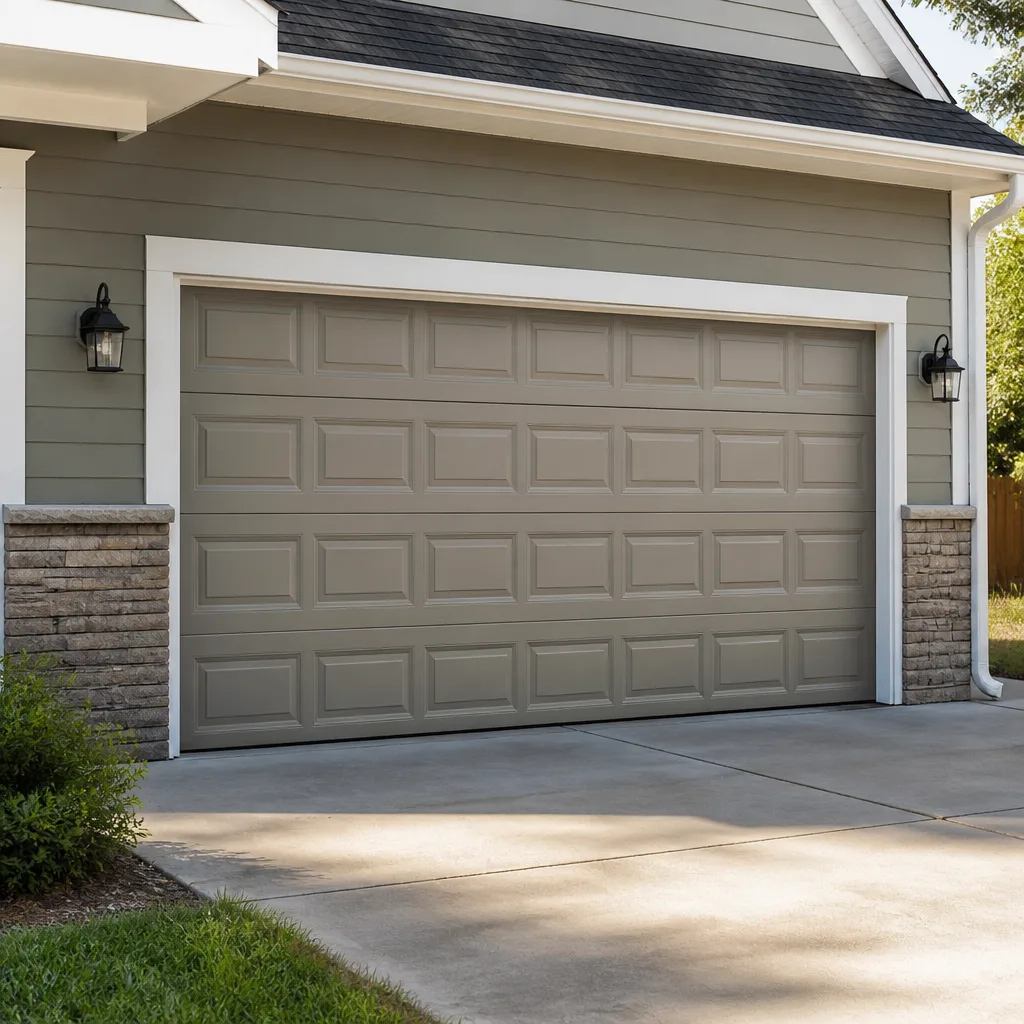 Raised-panel steel
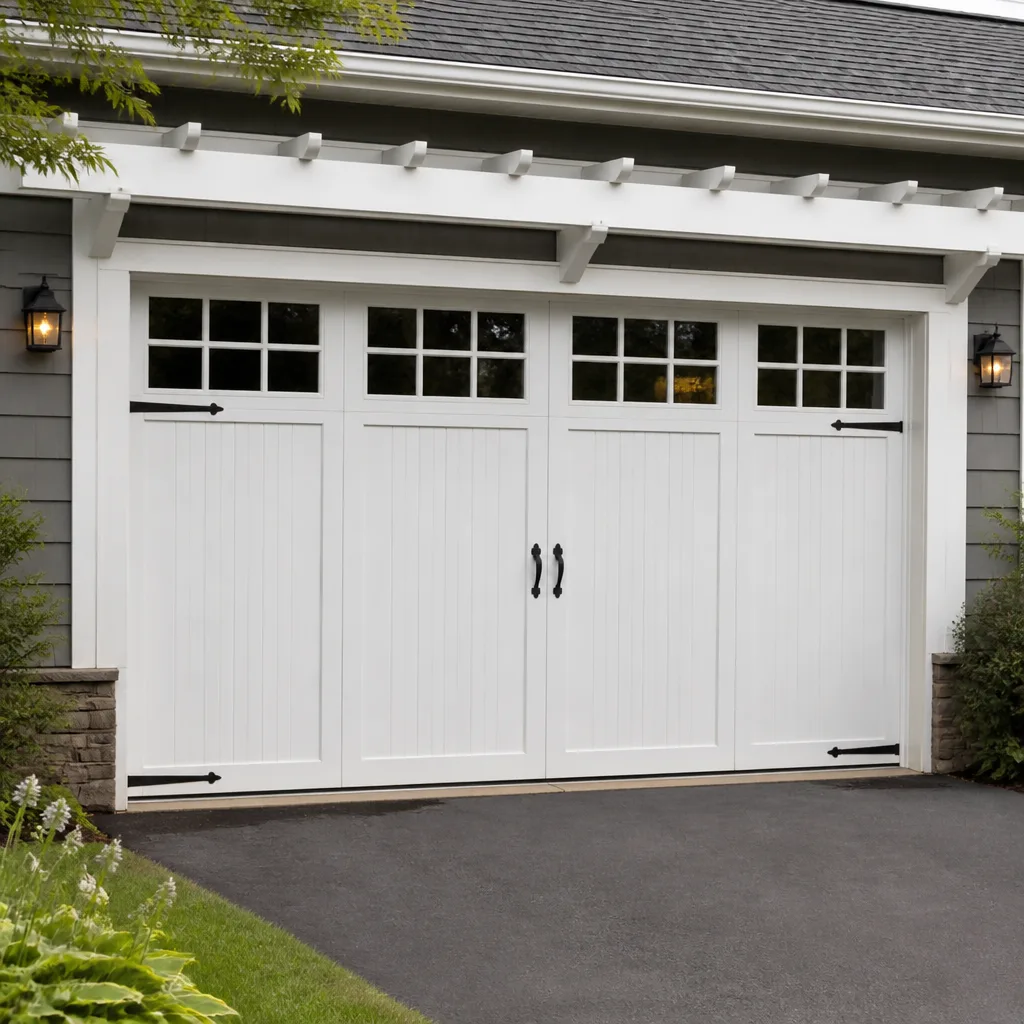 Carriage house
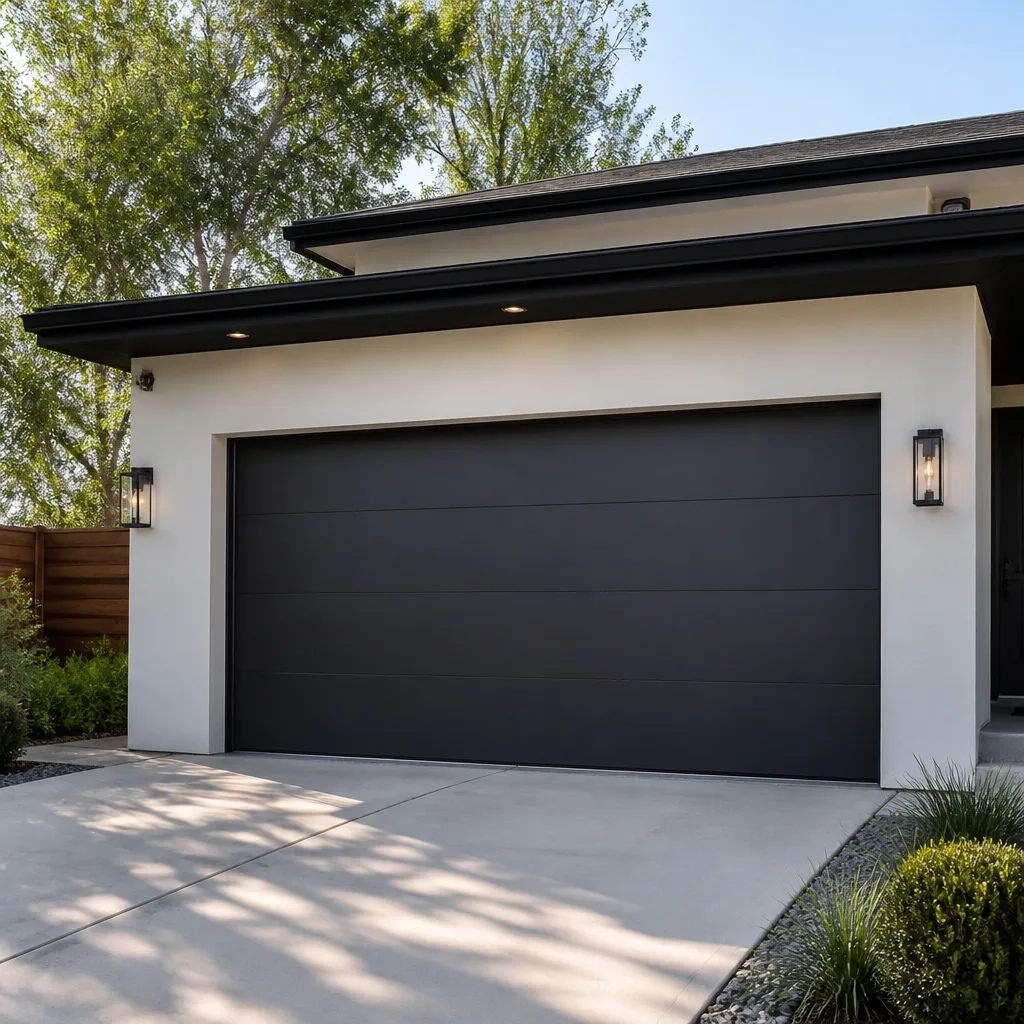 Modern flush
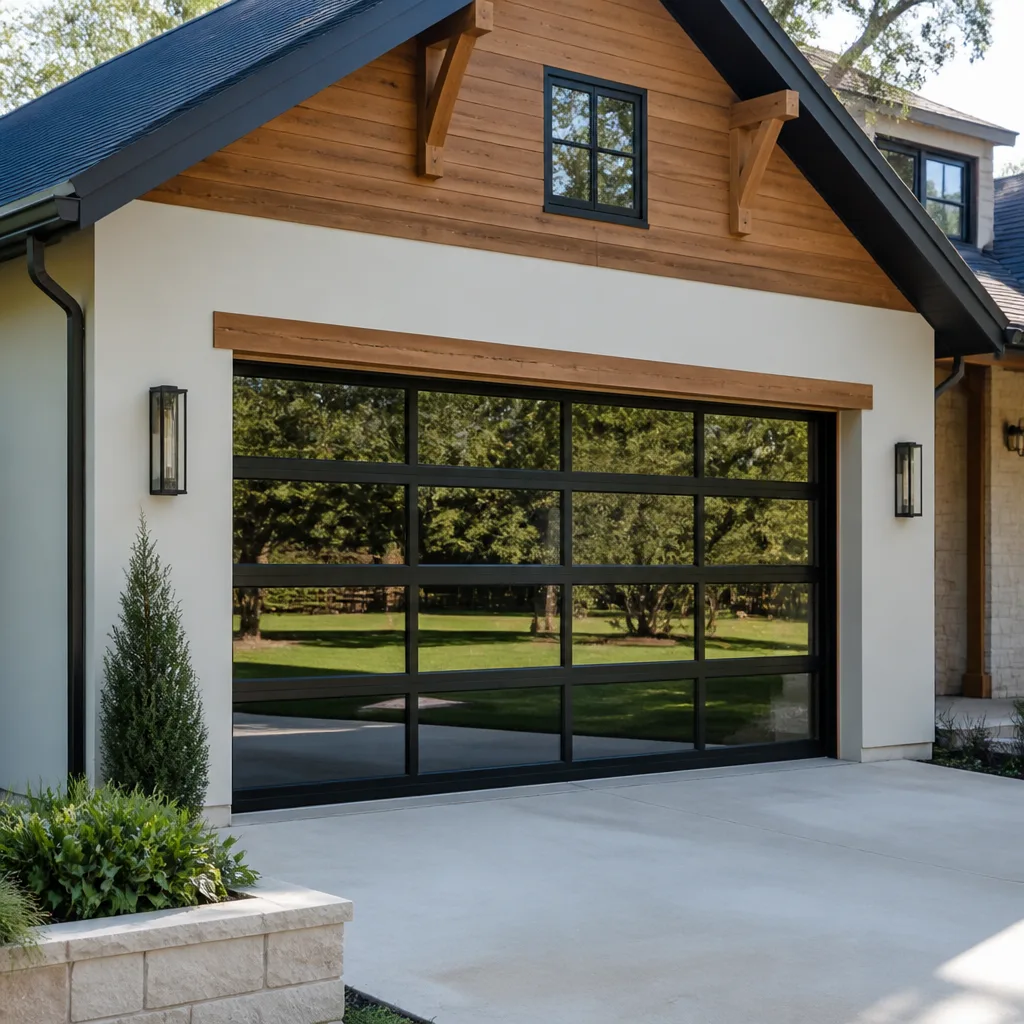 Full-view glass
 LiftMaster openers
 Chamberlain openers
Full 25-point door and opener safety check with every visit - springs, cables, rollers, tracks, and your LiftMaster or Chamberlain opener included
You get a price before we start. It does not change when the pro arrives.
Get your free estimateGarage Door Repair Troubleshooting in Woodbridge Township: Common Problems and How to Fix Them
The door that “just stopped working” overnight almost never failed overnight. It gave warnings for weeks – a grind here, a hesitation there, a remote that needed two presses instead of one – and most of us read those as normal quirks. They’re not. Every garage door failure in Woodbridge Township falls into one of six categories, and the category tells you whether you’re looking at a five-minute adjustment or a call for a technician. This guide maps the symptom you’re hearing and seeing to the component that’s actually behind it, flags what you can safely check yourself, and explains which problems involve tension that can hurt you. Keep it handy before the next odd noise.
Quick Answer
Most garage door problems come down to one of six root causes: a broken spring, a failed opener, off-track or bent rollers, a snapped or frayed cable, a misaligned safety sensor, or damaged panels. The first thing to do is test the opener and sensor, then try the manual release. Anything involving springs, cables, or a door that’s hanging unevenly needs a trained technician, not a handyman and definitely not a weekend project. Call (877) 820-9179 for a free estimate in Woodbridge Township.
Styles & brands we work with
- Raised-panel steel
- Carriage house
- Modern flush
- Full-view glass
- LiftMaster openers
- Chamberlain openers
Table of Contents
- Symptom-to-Cause Matrix: What the Noise Is Telling You
- Why Your Door Won’t Open: Six Different Causes
- Two Checks to Run Before You Assume a Mechanical Failure
- What’s Genuinely DIY-Safe vs. What Isn’t
- How Woodbridge Township Weather Accelerates Certain Failures
- Opener Troubleshooting: Motor, Logic Board, and Remote Issues
- When to Stop Diagnosing and Call a Professional
- Frequently Asked Questions
Symptom-to-Cause Matrix: What the Noise Is Telling You
Sound is the most reliable diagnostic tool you have, and most homeowners ignore it until something breaks. Here’s how to translate what you’re hearing into the component that needs attention.
Grinding
A grinding sound, especially as the door starts up or comes down, usually points to worn or dry rollers, a misaligned track, or a torsion tube that’s lost its lubrication. It can also mean the opener’s gear or sprocket is wearing. If the grind is coming from the motor housing itself, your opener is the problem, not the door. A garage door opener repair visit will tell you whether it’s a gear replacement or a motor that’s on its way out.
Squealing
Squealing is friction. Dry hinges, metal rollers that have lost their bearings, and torsion springs that need lubrication all produce a high-pitched squeal. This one is usually fixable with a proper garage door lubricant, but only if you know where to apply it and where not to. Never lubricate the tracks themselves. That attracts grit and makes the door ride rougher, not smoother.
Banging or Popping
A single loud bang followed by a door that won’t open is the classic signature of a torsion spring breaking. You may also find a gap in the spring coil above the door. This is a stop-what-you’re-doing moment. Don’t try to cycle the door again. Garage door spring repair is a same-day job for a technician, but only a technician.
Rattling
Loose bolts on the hinges, roller brackets, and opener rail are the usual culprits. Rattling is the mildest category and often the easiest to correct. Tightening loose hardware is safe to check yourself, but if the rattle is coming from a track that has visibly pulled away from the door frame, stop and call.
Clicking
A clicking relay inside the opener, sometimes followed by nothing, points to a logic board or capacitor issue. This is an opener diagnosis, not a door diagnosis, and the brand matters. LiftMaster, Chamberlain, Genie, and Craftsman openers each have known failure points. Because we work on the brand already in your garage, our technicians arrive already familiar with yours.
Why Your Door Won’t Open: Six Different Causes
“My door won’t open” is the most common call we get in Woodbridge Township, and it’s also the least specific diagnosis. The same symptom has six entirely different root causes, each with its own repair path and cost.
- The opener has lost power or the breaker tripped. Check the outlet and the circuit before anything else. A dead opener with a live door is a one-minute fix that costs nothing.
- The safety sensor is misaligned or blocked. A door that closes partway and reverses is usually reading a blocked photo eye. More on this in the next section.
- The manual release has been left engaged. If the emergency pull cord was used and never reset, the door will not respond to the opener. This happens more than people admit.
- The torsion spring has broken. If you lift the door partway by hand and it feels weightless or falls right back down, the spring has failed. This is a spring repair job.
- The door is off its track. A roller has popped out of the track, and the door is physically jammed. Forcing the opener will burn out the motor.
- The opener motor or drive gear has failed. The motor hums but nothing moves. That’s a stripped gear or a burned capacitor, and it’s an opener repair.
Each path has a different cost and a different level of urgency. That’s why we don’t quote a “no-open” repair over the phone without asking you a handful of questions. The symptom matches three of the six causes above until we narrow it down.
Two Checks to Run Before You Assume a Mechanical Failure
Before you decide your spring is gone or your opener is dead, run these two checks. In our experience in Woodbridge Township, a meaningful share of “broken garage door” calls turn out to be sensor or release issues, and both fall outside the mechanical category entirely.
Check 1: Photo Eye Alignment
The two safety sensors near the floor on either side of your door frame are small, easy to knock out of alignment, and will stop the door from closing if they lose sight of each other. Here’s the check:
- Look at both sensors. Each has a small LED indicator. If one is solid and the other is flashing or off, the pair is misaligned or blocked.
- Look for obstructions between them – a stray leaf, a stored bin, a garbage can that got bumped. Spider webs are a common culprit.
- Gently adjust the sensor that’s showing the fault until both LEDs are solid. Do not force the bracket. If the bracket is loose or cracked, it needs replacing.
- Test the door with the opener. If it closes smoothly, you’ve solved it.
If both LEDs are solid and the door still reverses, the sensor may be failing internally. That’s a component swap, not a positioning fix.
Check 2: The Manual Release Cord
Every opener has a manual release cord hanging from the carriage on the rail. If that cord was pulled – sometimes by accident, sometimes by a curious kid – the door is disconnected from the opener and will not respond to the remote or wall button. Here’s what to check:
- Find the red or colored handle hanging from the rail.
- Look at where the carriage connects to the rail. If the carriage is detached, the door is in manual mode.
- With the door fully closed, pull the cord once to re-engage the carriage. You’ll hear it click into position.
- Test the door with the opener at slow speed, and stay in the doorway to watch for any irregular travel.
If the door is hanging in the open position when you find the cord pulled, do not try to re-engage it by yourself. That’s a call for the technician, because the door has to be brought down in a controlled way.
What’s Genuinely DIY-Safe vs. What Isn’t
Here’s the line, and it matters. Some garage door troubleshooting is safe for a homeowner with basic tools. Some of it will put you in the hospital.
Safe to Check Yourself
- Testing the wall button and the remotes to confirm the opener has power.
- Checking the circuit breaker for the garage outlet.
- Cleaning and aligning the photo eye sensors.
- Pulling the manual release cord to re-engage the carriage (only when the door is fully closed).
- Lubricating hinges, rollers, and the torsion spring with garage door lubricant.
- Tightening exposed bolts on hinges and roller brackets.
- Visual inspection of the springs, cables, and track for obvious damage.
Not Safe – Do Not Attempt
- Replacing torsion springs. A wound spring carries substantial stored energy, and it can release suddenly. This is not a matter of strength or difficulty. It’s a matter of training and the right winding bars. Do not attempt it.
- Adjusting spring tension. Same reason. The tension is the danger, not the spring itself.
- Replacing or re-crimping cables. A cable under load can snap back with enough force to cause serious injury.
- Straightening a bent track that has pulled free from the door frame. The door may drop or swing unpredictably.
- Replacing rollers while the door is under spring tension. You’d be reaching into a loaded system.
We tell every caller the same thing: if you’re not sure, don’t guess. A garage door is one of the heaviest moving assemblies in your house. Garage door repair on the mechanical parts is not a place to learn on the job. If the spring has broken, the door has come off track, or the cable is frayed, that is a same-day call to a technician who carries the right tools and knows what to expect.
How Woodbridge Township Weather Accelerates Certain Failures
Woodbridge Township sits in a climate with real seasonal swings. Hot, humid summers, cold winters, and plenty of freeze-thaw cycles through the colder months. That weather pattern leaves a predictable signature on garage door hardware, and knowing where it hits helps you anticipate the failure before it happens.
Cable Fraying
Humidity cycles, combined with the mechanical flexing of the cables every time the door opens, gradually weaken the cable strands. A cable that looks fine in June can start showing frayed strands by late fall. Frayed cables are a stop-and-call item. When a cable fails, the door can drop on one side. If you see broken strands, do not cycle the door.
Track Rust
The vertical and horizontal tracks catch condensation through the humid months and rust from the inside out. Rust in the track increases friction on the rollers, which puts more strain on the opener and accelerates roller wear. If your tracks look rough or the door is riding harder than it used to, a track inspection is worth it.
Spring Fatigue
Springs cycle through hot and cold hundreds of times a year, and the repeated expansion and contraction of the metal eventually gives way. Woodbridge Township springs typically fail at the coil, not the ends, and they often fail without warning when the temperature drops. That’s why a spring that’s making noise in October should be inspected in October, not March.
Panel and Weather Seal Degradation
The rubber weather seal at the bottom of the door cracks and dries over time. That’s a cheap fix. But the same humidity that dries the seal also drives moisture into the panel joints, where rust can start at the bottom edges. Look at the bottom panel every fall. A little rust treated early is inexpensive. A panel replacement isn’t.
For more on how this plays out with local conditions, our main Woodbridge Garage Door Repair Co page covers the services we handle across the township.
Opener Troubleshooting: Motor, Logic Board, and Remote Issues
The opener is a separate system from the door, and it fails in its own ways. Because we work across LiftMaster, Chamberlain, Genie, and Craftsman openers, we can usually walk a homeowner through a diagnosis over the phone before we ever pick up a tool.
When the Motor Runs But the Door Doesn’t Move
If you hear the motor humming but the door doesn’t cycle, you’re looking at one of three things: the manual release is engaged, the drive gear is stripped, or the chain or belt has come off. The first one you can check yourself. The other two need a technician with the opener’s specs in hand.
When the Motor Doesn’t Run at All
No sound, no movement, no response from the wall button. Check the breaker, check the wall outlet, and check the safety sensor first. If all three are fine, the issue is likely the logic board or the capacitor. Logic board diagnosis depends on the brand and the model year. A LiftMaster board from one era doesn’t fail the same way as a Chamberlain board from another. This is where brand familiarity matters, because the technician isn’t guessing.
When the Remote Works Sometimes
Intermittent remote control is usually a battery, a worn remote, or an antenna issue at the motor head. Swap the battery first, then test with a second remote. If both remotes behave the same way, the problem is at the opener, not the hand-held units. Replace the battery and reprogram the remote before assuming a receiver failure.
When the Door Reverses for No Reason
A door that closes partway then reverses is a safety sensor issue, not an opener failure. Nine times out of ten it’s the photo eye. The tenth time it’s a sensor that’s failing internally and needs replacing. If the lights on the sensor are both solid and the door still reverses, that’s a component swap.
When to Stop Diagnosing and Call a Professional
There’s a point where diagnosis becomes a repair, and a point past that where it becomes dangerous. Here’s how to know when to stop.
- Broken spring. Stop immediately. Do not cycle the door, do not try to open it manually, and do not attempt the repair. Spring replacement is a technician-only job.
- Door off track or hanging unevenly. A door that’s come out of the track has lost its safe travel path. Forcing it will bend panels and put you in the way of a falling door.
- Frayed or snapped cable. Cables carry load even when the door is down. Leave it.
- Opener failure that isn’t the breaker or a remote battery. A logic board swap, a gear replacement, or a motor replacement is a technician job.
- Any repair you’ve attempted twice and haven’t fixed. Repeating the same failed approach puts stress on components that were fine, and it wastes your time.
- Any time you’re not sure. A phone call is free. A trip to the emergency room isn’t.
If any of the above describes your situation, that’s what we’re here for. Woodbridge Garage Door Repair Co runs emergency garage door service, so a door stuck open or shut outside normal hours is something we can help with. Our technicians have up to 15 years of experience, and the local pro is licensed and insured as their state requires. Call (877) 820-9179 for a free estimate, and we’ll tell you what’s involved before any work starts.
Common Mistakes to Avoid
- Forcing a door that won’t open. A door that’s jammed, off track, or spring-broken will not respond to force, and forcing it bends panels and can drop the door. Stop and diagnose before you pull.
- Lubricating the tracks. Track lubrication attracts grit, and grit makes the door ride rougher. Lubricate the hinges, rollers, and springs. Leave the tracks dry and clean them instead.
- Replacing a single spring instead of the matched pair. If your door has two springs and one has failed, the other is the same age and under the same load. Replacing only one usually means the second fails soon after. A matched pair is normally replaced together, so expect a pair to cost about twice a single spring’s price.
- Calling a general handyman for a spring job. Spring work is specialized and safety-critical, and many generalists won’t take it. A garage door specialist has the winding bars, the knowledge of your door’s weight rating, and the correct replacement parts.
- Assuming a dead opener is a dead door. Check the breaker, the wall outlet, and the sensor before assuming the opener is gone. Half the “dead opener” calls we get in Woodbridge Township are one of those.
- Ignoring a grinding noise for months. Grinding doesn’t fix itself, and it wears down the parts around it. A cheap roller replacement becomes an opener replacement when the friction goes on too long.
- Using the manual release while the door is open. The power stroke on an open or partly open door can drop the door fast. Only engage or disengage the manual release with the door fully closed.
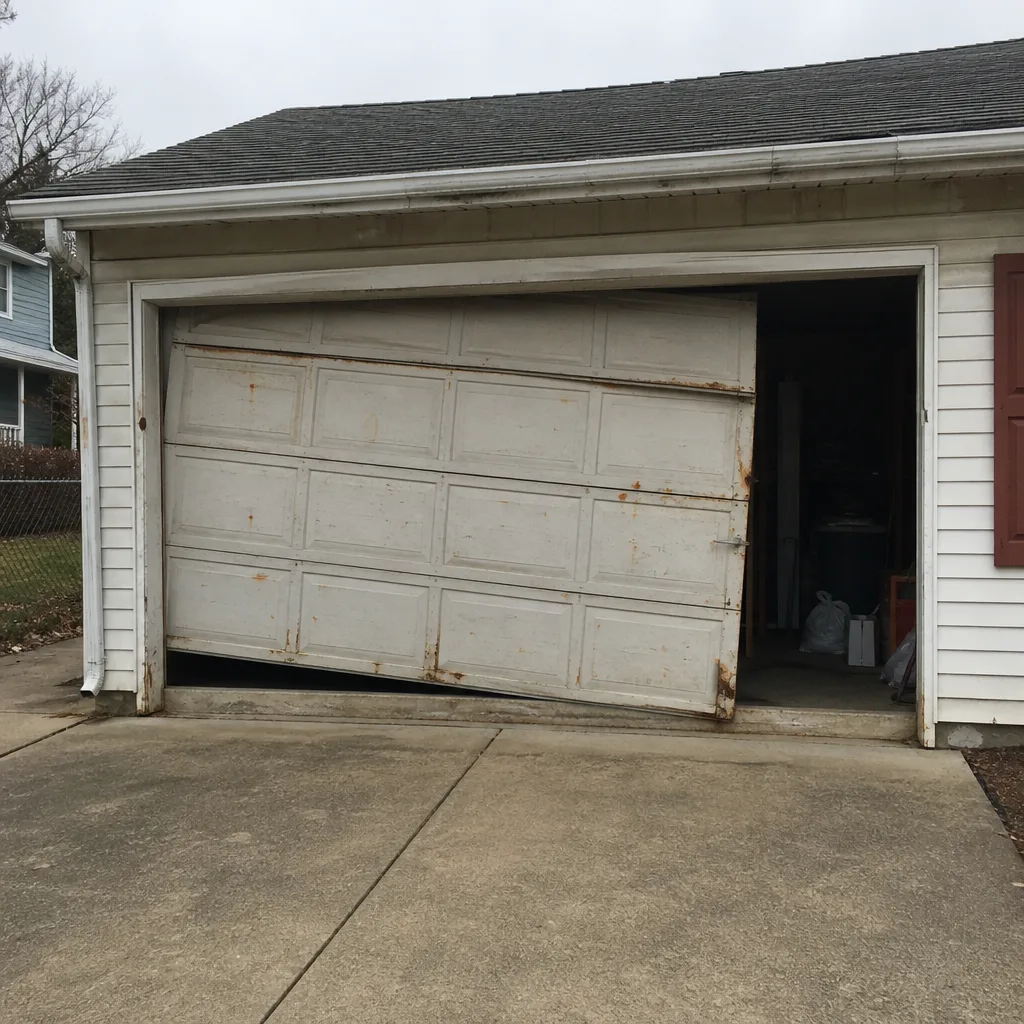
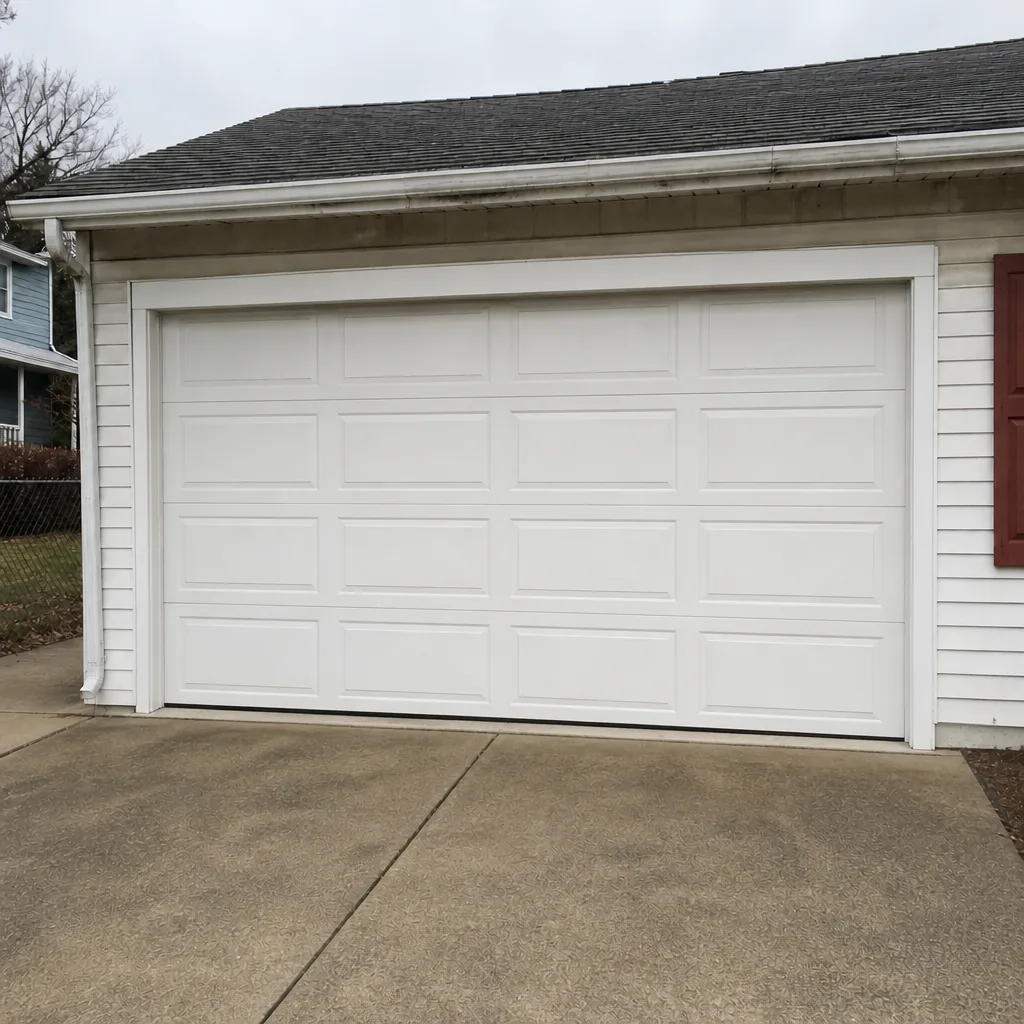
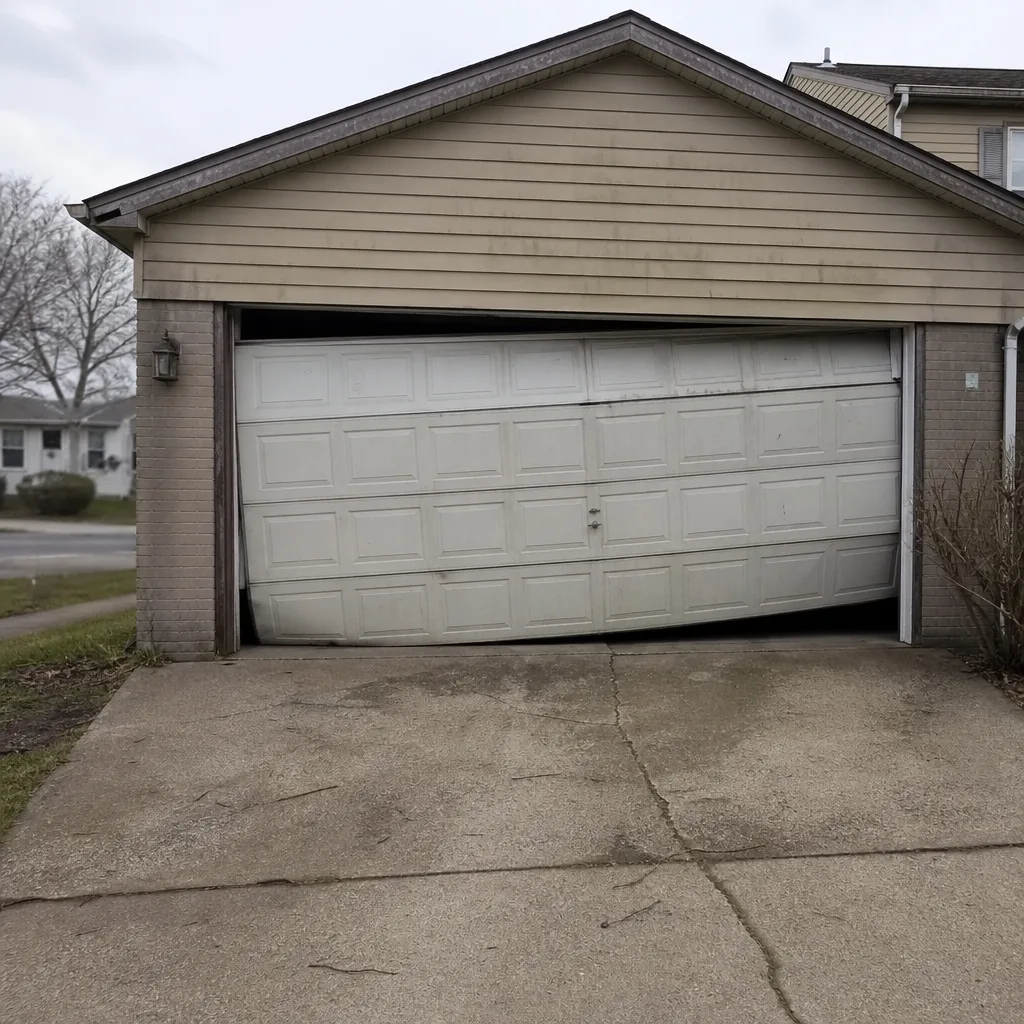
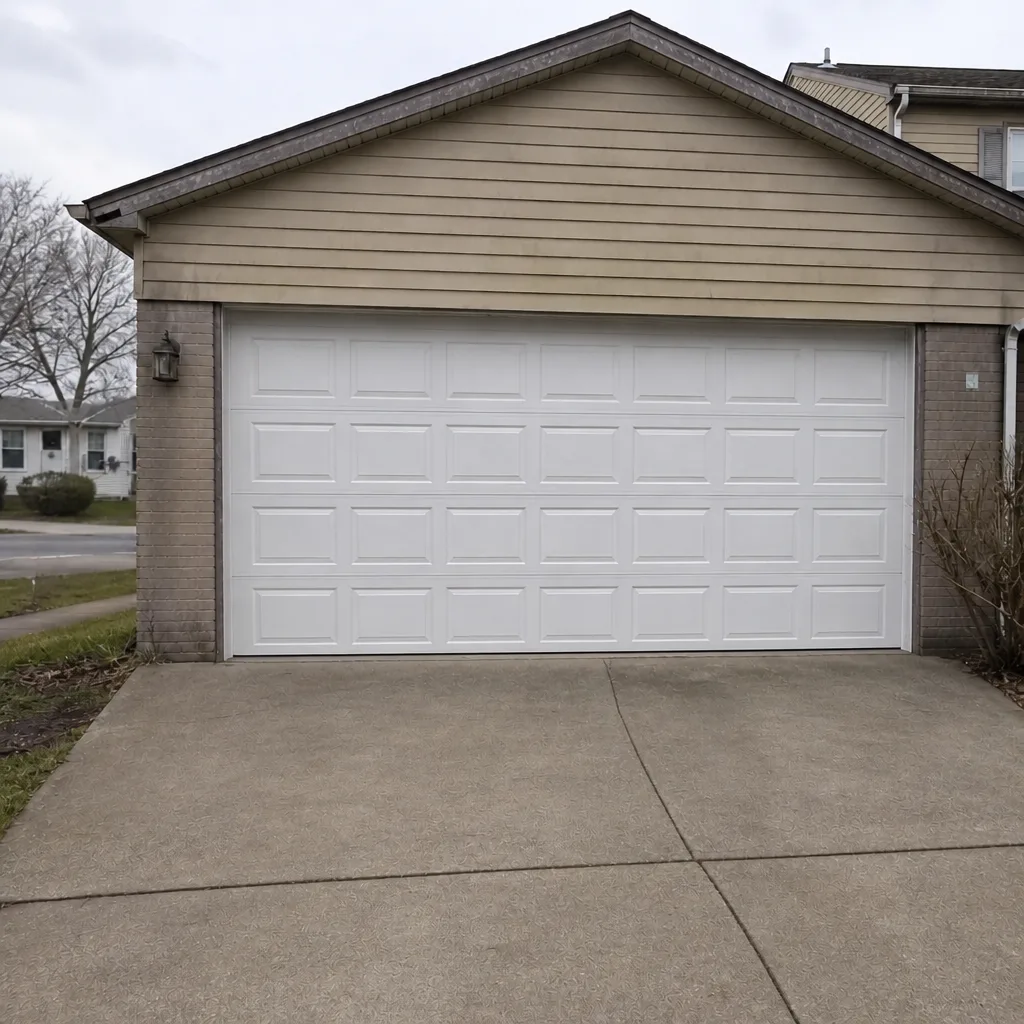
See the difference
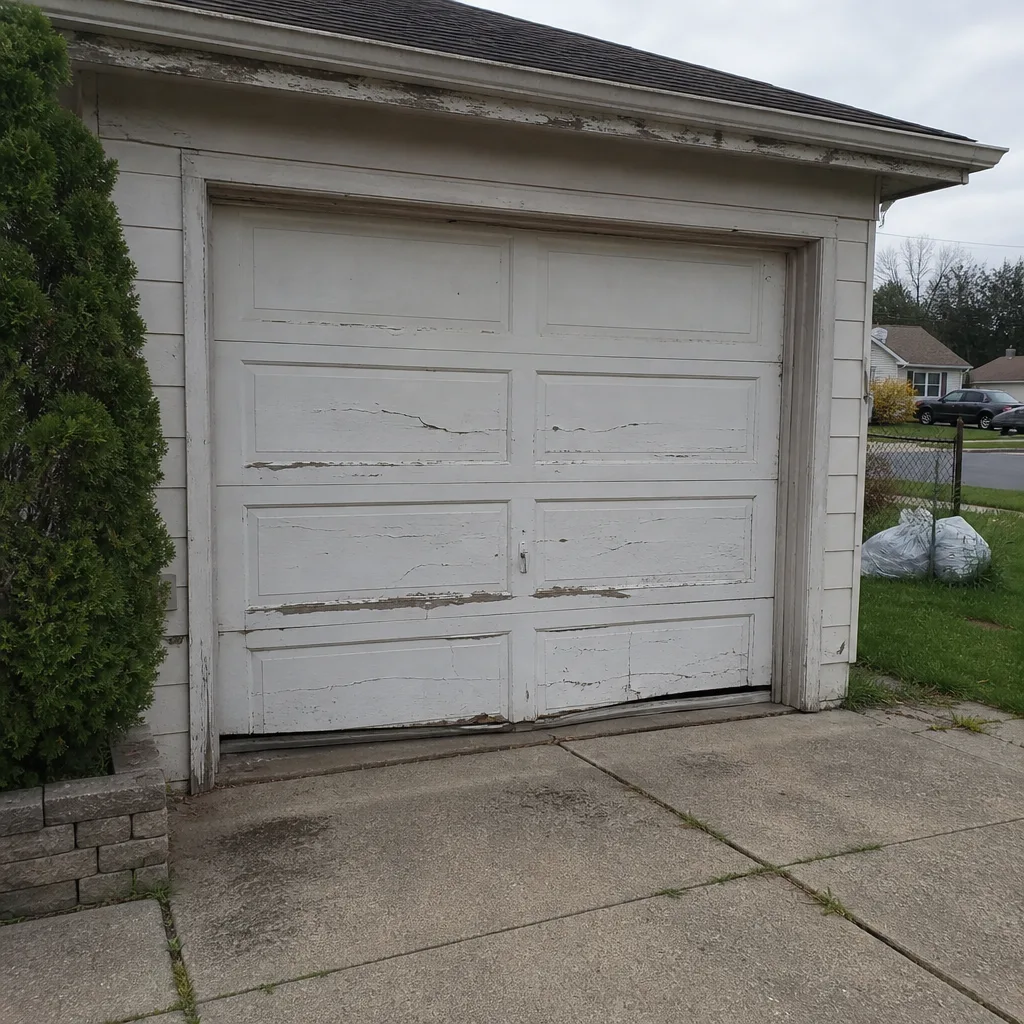 Before
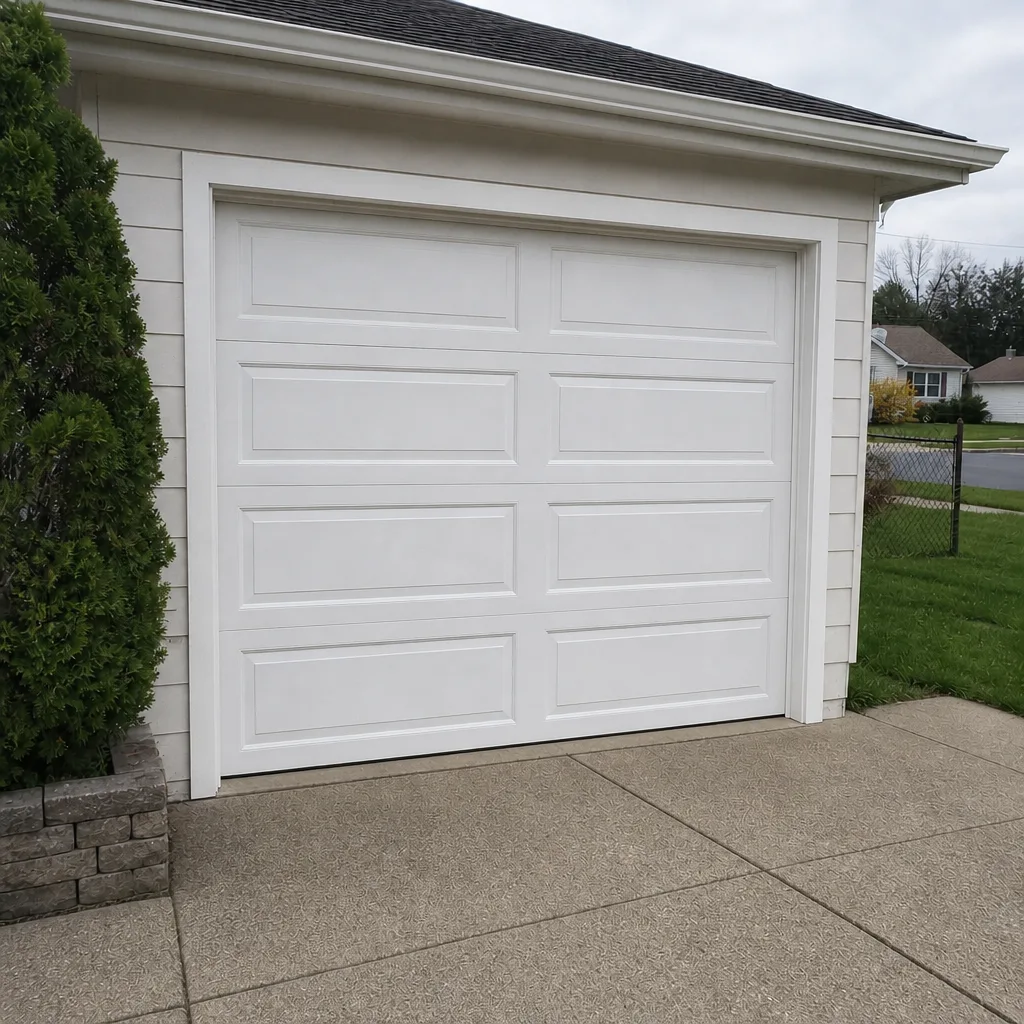 After
 Before
 After
 Before
 After
When to Call a Professional
The clearest signal is a spring, a cable, or a door that’s off its track. Those three are the jobs that get people hurt, and they’re the jobs we handle on the same day when we can. Opener failures that survive a breaker and battery check come next. And if the door is making a noise you can’t identify, that’s worth a call too, because the earlier we see a problem, the cheaper it usually is to correct.
Woodbridge Garage Door Repair Co offers free estimates in Woodbridge Township – call (877) 820-9179. We work on LiftMaster, Chamberlain, Genie, and every other major opener brand already in your garage, so the technician arrives already familiar with your system. Every repair price is quoted and agreed before any work starts, and the written estimate sets the final price. Nothing gets added after the fact. If you’re not sure whether your problem needs a visit, call and we’ll help you figure it out over the phone.
Frequently Asked Questions
Broken torsion springs are the single most common garage door repair we see in Woodbridge Township, followed by opener failures and safety sensor misalignment. Springs fail because they cycle hundreds of times a year through hot and cold weather, and the metal fatigues at the coil. If you hear a bang and the door won’t open, the spring is the first thing to check. Call (877) 820-9179 for a free estimate – estimates are free.
Yes, most repair calls in Woodbridge Township can be handled same-day, including spring, cable, track, and opener repairs. We run emergency service for doors that are stuck open or shut. When you call, we’ll ask you a few questions to narrow down the cause and give you an accurate arrival window. Call (877) 820-9179 to book the visit.
A single spring replacement typically runs in the $180 to $340 range, and a matched pair is usually replaced together, so expect a pair to cost roughly twice a single spring. The exact price depends on your door’s weight, the spring type, and whether other parts need attention. The written quote you get before work starts is the price. Call (877) 820-9179 for a free estimate on your door.
Not if the job matches what we quoted. We quote based on what you describe on the phone and what our technician confirms on arrival, and the written estimate is agreed before any work begins. If we find something different – a bent track behind the panel, for example – we’ll tell you and re-quote before proceeding. Nothing gets added without your approval.
Yes, the local pro we connect you with is licensed and insured as their state requires, and our technicians have up to 15 years of experience. We handle spring repair specifically as a core service, which many general handymen won’t take on because of the safety risk. Call (877) 820-9179 with any questions about credentials before booking.
No. A torsion spring is under load even when the door is closed, and releasing that tension without the right training and tools can cause serious injury. Spring replacement is a job for a trained technician. Anyone who tells you otherwise is telling you wrong. Call (877) 820-9179 for spring repair in Woodbridge Township – estimates are free.
Most opener problems are repairs, not replacements. A stripped gear, a failed capacitor, or a bad logic board is a component swap. If the motor itself has failed on an opener that’s older than a decade, a replacement may be the better call. Our technicians diagnose LiftMaster, Chamberlain, Genie, and Craftsman systems before we recommend anything. Call (877) 820-9179 for a diagnosis.
That’s almost always the safety photo eye sensors. One has lost alignment or is blocked by something small – a leaf, a spider web, a bin. Check the LED indicators on both sensors. If one is flashing, realign it and test the door. If both LEDs are solid and the door still reverses, the sensor may be failing and needs replacing. Call (877) 820-9179 if the sensor check doesn’t solve it.
The Bottom Line
Every garage door failure is a story with warnings. The grind, the squeal, the hesitation, the remote that needs two presses – each one is a signal, and most of them point to a specific component. Springs and cables are not DIY territory, no matter how handy you are. Sensor alignment, manual release, and lubrication are. When you hear something you can’t place, or when the door stops responding to the opener, that’s the moment to call rather than to force it. Garage doors are all we do at Woodbridge Garage Door Repair Co, and we’re here to get you back up and running in Woodbridge Township. Call (877) 820-9179 for a free estimate.
Written by the team at Woodbridge Garage Door Repair Co.