Last updated November 23, 2026
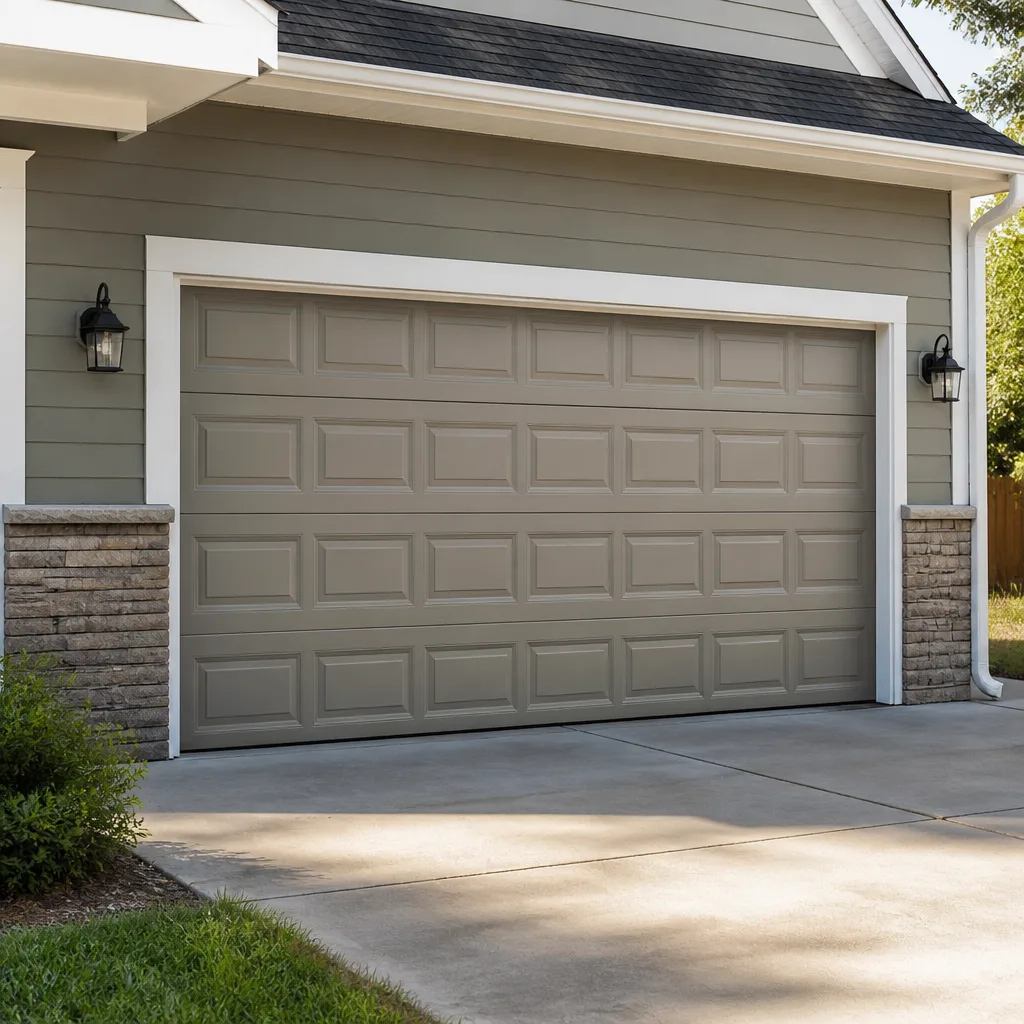 Raised-panel steel
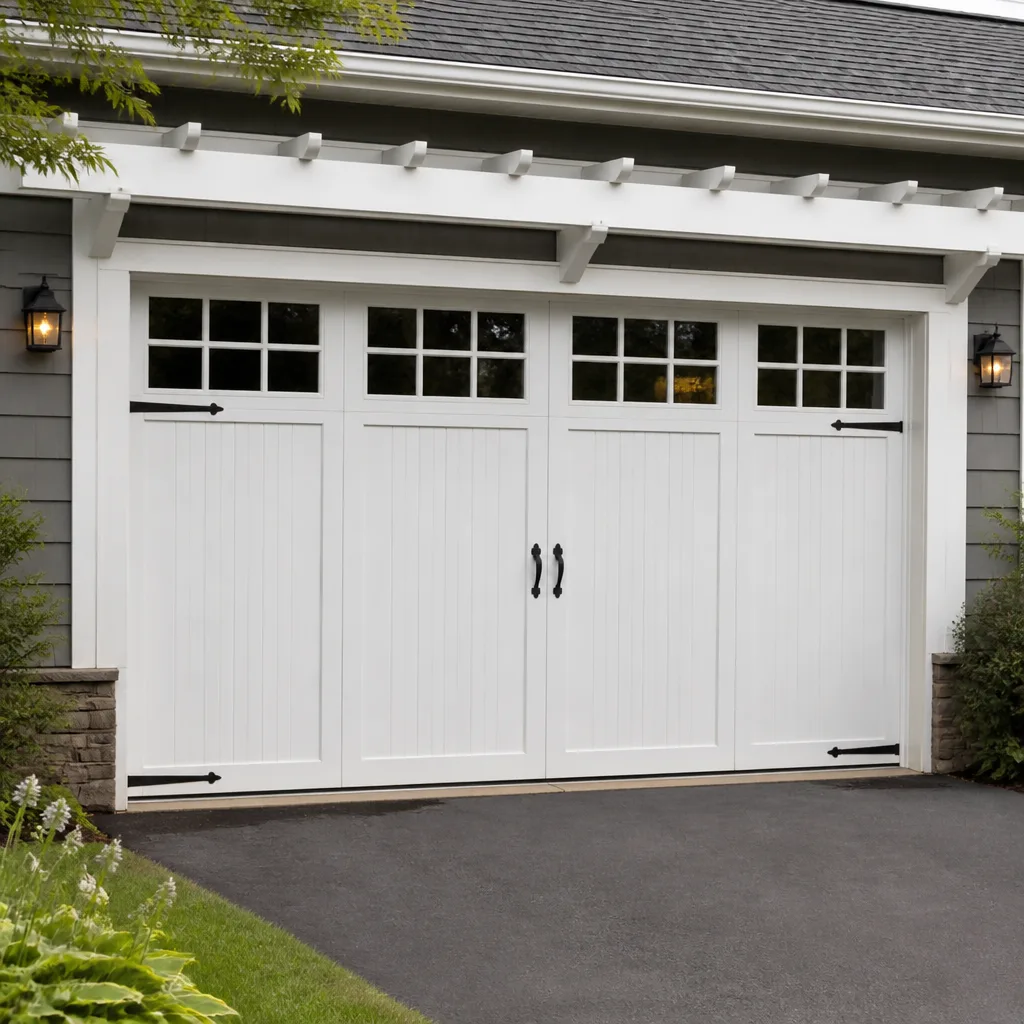 Carriage house
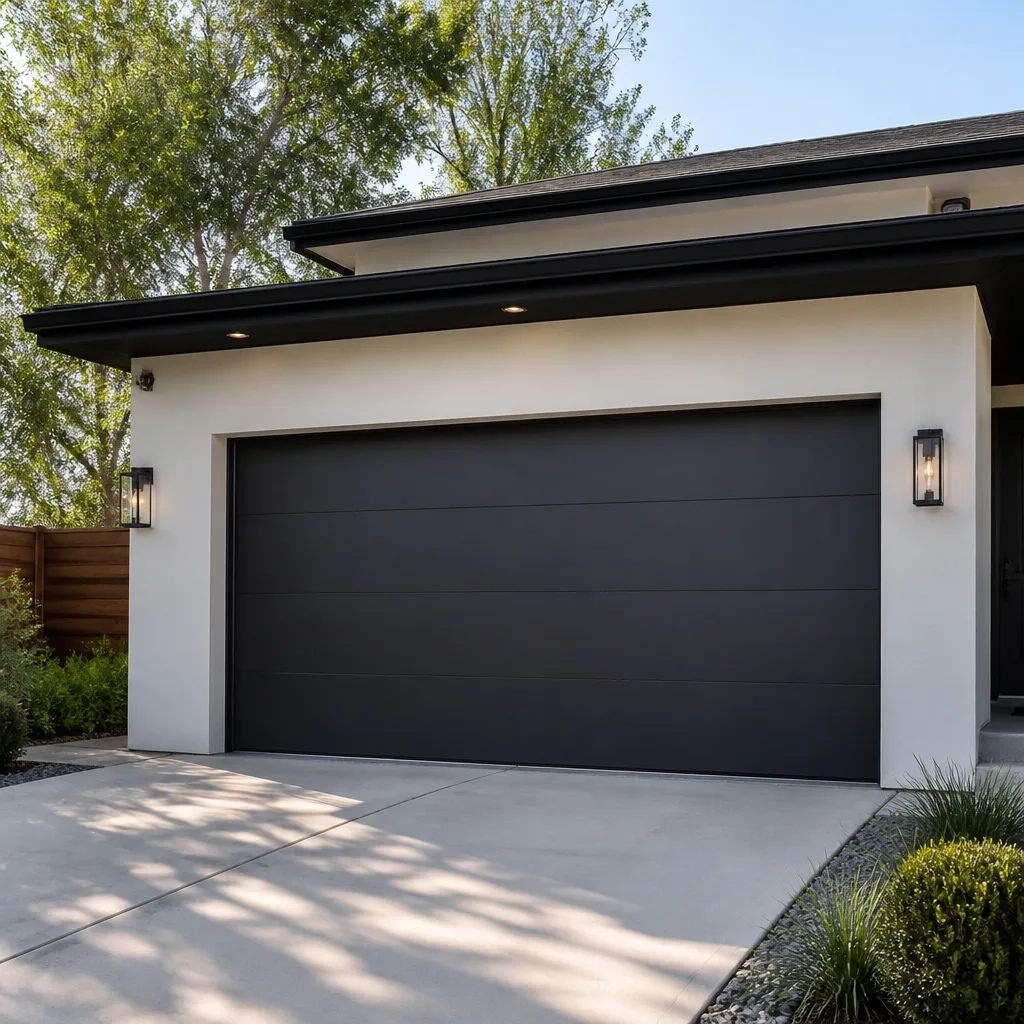 Modern flush
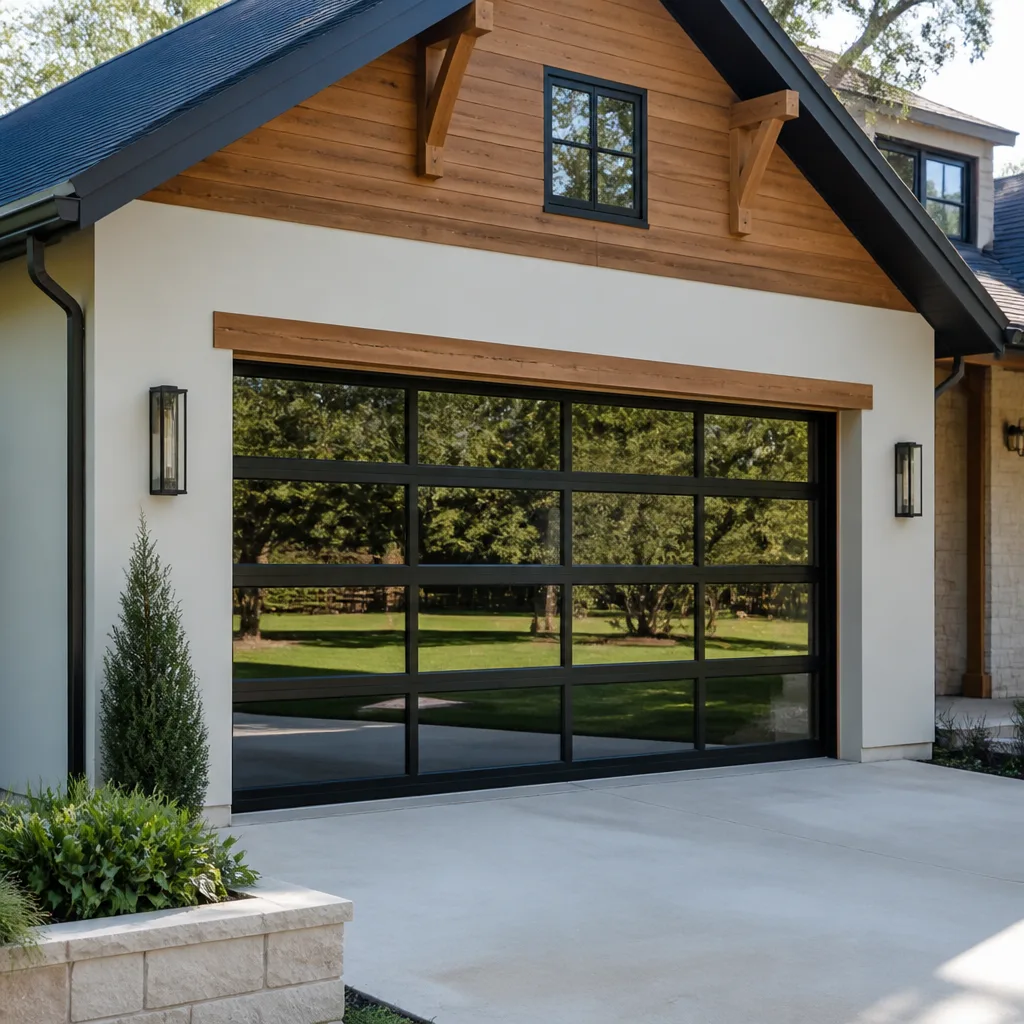 Full-view glass
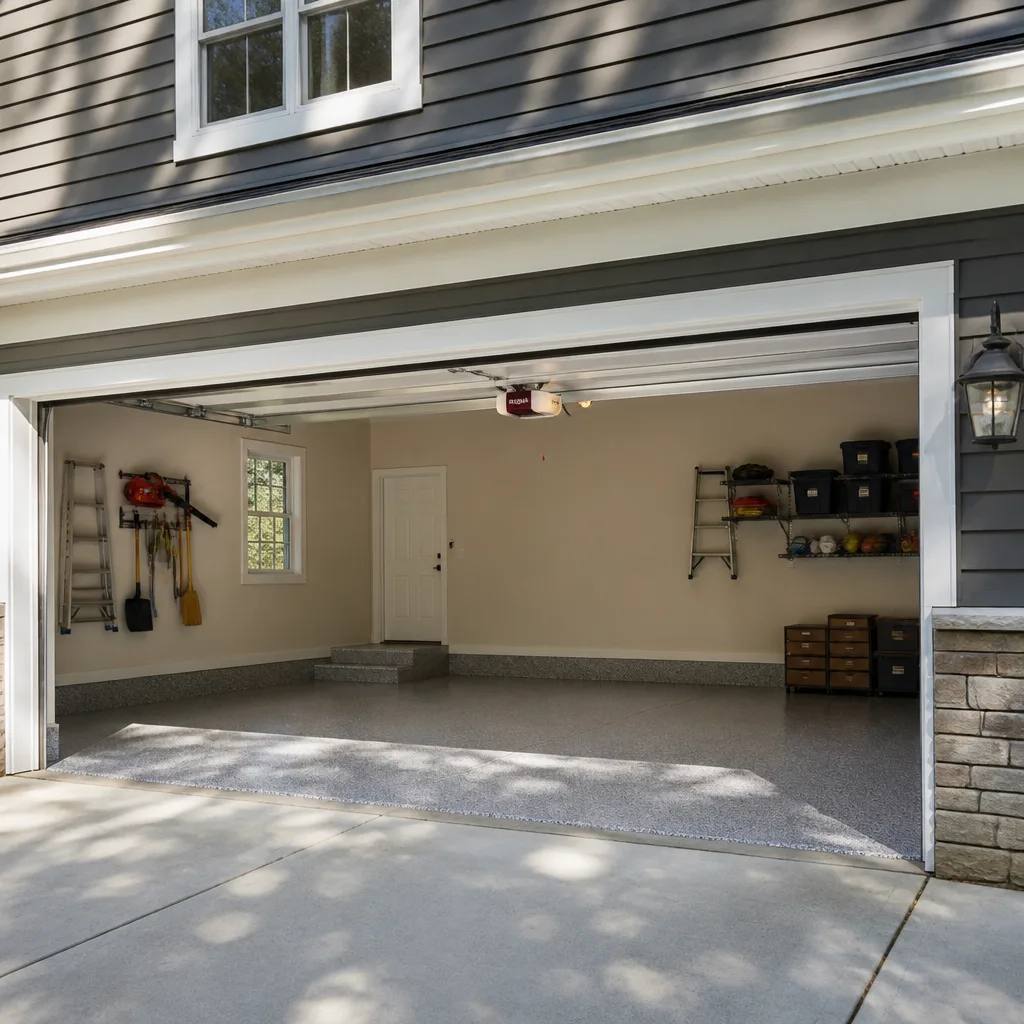 LiftMaster openers
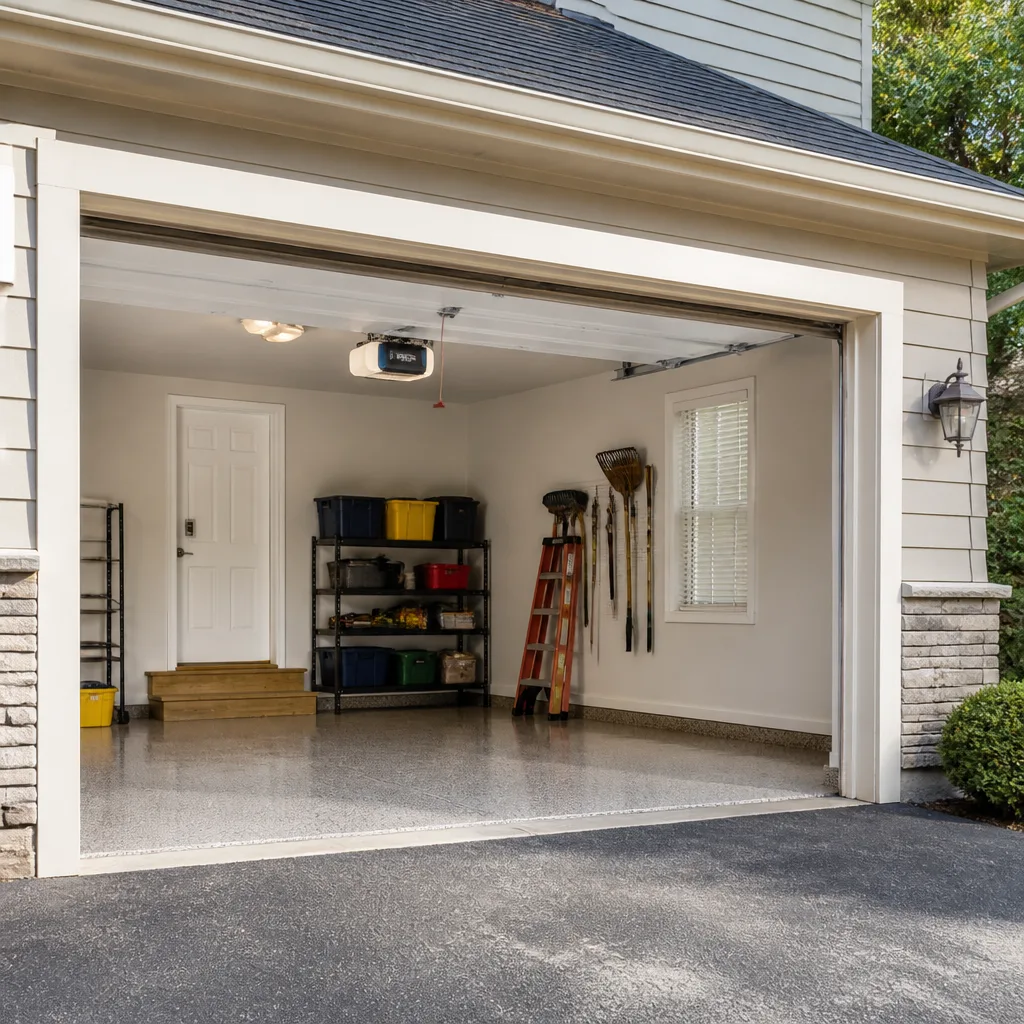 Chamberlain openers
Full 25-point door and opener safety check with every visit - springs, cables, rollers, tracks, and your LiftMaster or Chamberlain opener included
You get a price before we start. It does not change when the pro arrives.
Get your free estimateGarage Door Repair Maintenance Checklist for Woodbridge Township Homeowners
The number one reason garage door springs fail prematurely in central New Jersey isn’t age – it’s a maintenance gap that takes less than 10 minutes a year to close, and most homeowners don’t know it exists. Here’s the thing most checklists get wrong: they’re written for a generic house in a generic climate. Woodbridge Township isn’t generic. Between the freeze-thaw swing from January to March, the humid summers that find every unpainted hinge, and the road salt that drifts off Routes 1 and 9 onto street-facing garages, your door faces a specific set of stresses. This guide walks you through a checklist built around those failure patterns, month by month, and shows you exactly which tasks you can safely handle and which three should always stay on a technician’s list.
Quick Answer
A practical garage door maintenance checklist for Woodbridge Township homeowners covers lubrication, balance testing, safety-reverse testing, and hardware inspection on a schedule matched to local seasons – heavier checks in fall before the freeze and in spring after the thaw. Homeowners can safely handle cleaning, lubrication, and visual inspection, but springs, cables, and bottom brackets should always go to a trained technician. A 10-minute annual routine plus two seasonal walk-throughs will keep most doors running years longer than a neglected one.
Styles & brands we work with
- Raised-panel steel
- Carriage house
- Modern flush
- Full-view glass
- LiftMaster openers
- Chamberlain openers
Table of Contents
- Why Woodbridge Township Doors Fail Differently
- The Month-by-Month Maintenance Calendar
- Road Salt, Route 1 Exhaust, and the Corrosion Points That Matter
- How to Safely Test Balance, Travel Limits, and Auto-Reverse
- Homeowner-Safe Tasks vs. the Three That Stay on a Technician’s List
- What to Photograph and Document Each Cycle
- Getting Ready for a Woodbridge Township Winter
- Common Mistakes to Avoid
Why Woodbridge Township Doors Fail Differently
Garage doors in Woodbridge Township live in a climate that swings hard. A door can sit in 20-degree air in January and 55-degree air two weeks later, then face a humid August that pushes moisture into every hinge pin and roller stem. That freeze-thaw cycle is what quietly wears out torsion springs, loosens fasteners, and lets water sit in places it shouldn’t. If you’ve owned a door in a milder climate, the wear pattern here will surprise you.
The second local factor is road salt. If your garage faces the street on a block near Routes 1 or 9, or anywhere the plows push slush toward the curb, your door’s bottom section, bottom seal, hinges, and track bolts all take a slow salt bath every winter. Salt doesn’t just discolor metal – it eats into the protective coating on hinges and starts the pitting that eventually stiffens the door’s movement. We’ve seen doors in Woodbridge Township where the bottom hinge has corroded while the top hinges still look nearly new, simply because of where the door sits relative to the street.
Third is the housing itself. Much of Woodbridge Township is older housing stock with attached garages, which means the garage is often warmer and more humid than a detached garage would be – especially if it shares a wall with a heated house. That warmth plus household moisture creates a slow rust environment for the door’s steel components and the opener’s chain or belt.
None of this is a reason to panic. It’s a reason your checklist needs to be sequenced around these specific stresses rather than a generic “check in spring and fall” note. The sections below do exactly that.
The Month-by-Month Maintenance Calendar
Instead of the standard spring-and-fall advice, here’s a calendar calibrated to what Woodbridge Township actually experiences across the year. You don’t need to do everything every month – pick the tasks tagged to the season and skip the rest.
January – February
- Listen for a change in sound. A door that suddenly squeaks or groans in cold weather is telling you the lubricant has stiffened. A light reapplication on hinges and rollers helps.
- Clear snow and ice from the bottom of the door’s travel path so the seal doesn’t tear on frozen slush.
- Check that the door closes fully without the bottom seal pinching. Cold-seal shrinkage can leave a small gap.
March – April (Post-Thaw Check)
- This is the important one. After the freeze-thaw cycle, walk the full length of both tracks and look for new rust, loose bolts, or any track that has shifted slightly.
- Test the door’s balance (steps below). Springs that handled winter fine can weaken noticeably come spring.
- Wipe down the bottom section and hinges to remove salt residue that accumulated over winter.
- Check the weather seal for cracks or brittleness after cold weather.
May – August
- Humidity months. Lubricate hinges, rollers, and the torsion spring coil with a garage-door-specific lubricant – not WD-40, which attracts dust.
- Inspect hinges and bolts for the first signs of rust spotting, especially on street-facing doors.
- Vacuum or blow out debris and pollen from around the opener’s photo-eye lenses if your door has them.
- Test the opener’s auto-reverse once a month (steps below). It’s the single fastest monthly check.
September – October (Pre-Winter Check)
- Full lubrication pass before cold weather sets in.
- Tighten all visible bolts on hinges, brackets, and track mounts. Vibration from summer use loosens them.
- Test balance and travel limits again. Door that’s been fine all summer will show a spring that’s quietly weakening.
- Inspect the bottom seal and side seals. This is the check that prevents a frozen door in January.
- Shorten any tree branches or clear debris that could drop onto the door’s travel path in a windstorm.
November – December
- Final pre-winter run-through: open and close the door ten times slowly and listen.
- Make sure your manual release works smoothly in case you need to open the door manually after a power outage.
- Clear the door’s tracks and floor path of the first leaves and grit before the first freeze.
Road Salt, Route 1 Exhaust, and the Corrosion Points That Matter
Most garage door maintenance advice tells you to “lubricate the moving parts.” That’s true but incomplete for Woodbridge Township residents whose garages face the street near Routes 1 or 9. The salt and exhaust drift doesn’t just coat the door evenly – it gathers in specific places. If you only clean the visible outer face, you miss the spots where corrosion actually starts.
The spots that take the most abuse on a Woodbridge Township door:
- Bottom hinge plates. These sit closest to the ground, closest to splashing slush, and are the first to show rust. Wipe and lubricate these more often than the rest.
- Bottom section seams. Salt water pools at the bottom panel seams and eventually works into the paint layer. If you see bubbling under the paint, that’s corrosion starting.
- Bottom rubber seal and its retaining groove. Salt and grit collect in the groove and cause the seal to harden prematurely. A stiff seal no longer seals.
- Bottom track brackets. Small bolts and plates that hold the bottom of the track to the wall take direct road spray.
- Floor-level track ends. Grit, salt, and debris collect where the track meets the floor. That’s where a roller can jam.
- Roller stems on the bottom two hinges. The stems corrode and start squealing – you’ll hear it before you see it.
What helps: after every winter, do a targeted wipe-down of those six areas with a damp cloth, dry them, and apply a light coat of garage-door-specific lubricant to the hinges and roller stems. Do not apply lubricant to the track itself – that attracts dirt and gums the rollers. The track should be clean and dry.
If you park on the street or your driveway slopes toward the door, the drift problem is worse and the wipe-down should happen twice a year, not once.
How to Safely Test Balance, Travel Limits, and Auto-Reverse
These three tests are the heart of the checklist and the ones most homeowners never do. All three are safe to perform yourself as long as you understand the ground rules. None of them involve touching springs, cables, or brackets.
Test 1: Balance
- Close the door fully.
- Pull the manual release cord (usually a red handle hanging from the opener rail) to disconnect the door from the opener.
- Lift the door by hand to about halfway and let go gently.
- A balanced door should stay roughly in place, maybe drift slightly, but should not slam down or fly up. If the door drops fast, the spring tension has weakened. If it flies up, tension is too high.
- Close the door fully by hand before reconnecting the release.
A door that fails the balance test needs professional spring attention. Do not attempt to adjust the springs yourself. See garage door spring repair for why this is a job for a technician. Never attempt to adjust the torsion spring yourself – high-tension springs and the cables under load can cause serious injury.
Test 2: Travel Limits
- Reconnect the opener.
- Open the door fully and watch it. It should stop just above the header, then close fully to the floor without straining.
- If it stops short of the floor (leaving a gap) or hits the floor and reverses immediately, the travel limits need adjustment. On most openers, that’s a small dial or set of buttons on the opener’s housing.
- Test the manual release again after adjusting. If the door reconnects cleanly, the limits are probably correct.
Test 3: Auto-Reverse (the most important monthly test)
- Open the door fully.
- Lay a piece of 2×4 or another firm, low object on the floor where the door closes.
- Close the door with the opener. When the door contacts the object, it should reverse to fully open within a couple of seconds.
- If it doesn’t reverse, stop using the opener and call us. This is a safety failure, not a minor issue.
- Do the same test with the door’s photo-eye or edge sensor if you have one: wave an object (but not your hand) through the beam while the door is closing. It should reverse.
On the common brands we see in Woodbridge Township homes – LiftMaster, Chamberlain, Genie, and Craftsman – these adjustments all follow similar logic. Our technicians have up to 15 years of experience with these systems, and knowing the specifics of each brand is why we can diagnose travel-limit and logic-board problems fast.
Homeowner-Safe Tasks vs. the Three That Stay on a Technician’s List
The entire value of a maintenance checklist comes down to understanding which items you can safely do and which items you must hand off. This is where most checklists fail their readers.
Homeowner-safe tasks
- Lubricating hinges, rollers, and the torsion spring coil (with the right lubricant, not general-purpose oil).
- Cleaning the tracks with a damp cloth. No oil on the track.
- Wiping down the bottom section and hinges to remove salt.
- Visually inspecting for rust, loose bolts, worn roller wheels, and damaged seals.
- Tightening visible bolts on hinges and brackets (careful not to overtighten).
- Performing the three safety tests above.
- Cleaning opener photo-eye lenses and checking the manual release.
The three items that always go to a technician: springs, cables, bottom brackets
These three are the ones we never want a homeowner touching, and here’s why. A torsion spring holds hundreds of pounds of stored energy. When it releases suddenly, it can fracture, and the force is enough to cause serious injury. Cables are under similar tension and can snap. Bottom brackets anchor the cable and are the most dangerous point in the whole system. There is no safe DIY approach to any of these three – the risk is real and the job requires specialized tools and technique.
If your balance test fails, if you hear a loud bang from the garage, or if the door has gone crooked or “heavier” than usual, the spring or a cable has likely gone. Call for help. See our garage door repair page for how we handle these calls. Calling a specialist is not overspending – it’s the only safe path. Garage door springs cost far less than an emergency room visit.
What to Photograph and Document Each Cycle
Here’s a step most checklists skip entirely, and it’s the one that pays off most when something does break: document the state of your door at each inspection so a technician can diagnose faster and quote accurately on the first visit.
What to photograph each inspection cycle:
- Full door, front view, with the door fully closed.
- Full door, front view, with the door fully open.
- Close-up of the bottom hinge plates.
- Close-up of the torsion spring (or springs) on the header.
- Close-up of the cables and bottom brackets.
- Close-up of the track and roller alignment on both sides.
- A wide shot of the opener and its connection to the door.
What to write down:
- Date of inspection.
- Door make (Clopay, Amarr, Wayne Dalton, Raynor, or another) and the brand of opener if you can read it.
- Any change in sound, speed, or balance since the last inspection.
- Any visible rust spots, worn rollers, or seal damage, with the specific location.
- Any adjustments made (travel limits, lubrication, bolt tightening).
When you call us with photos and a short written note, our technicians can often identify the issue on the phone and arrive with the right parts. That saves time and keeps the written estimate accurate the first time.
Getting Ready for a Woodbridge Township Winter
September and October are the two months when the checklist pays off most in this climate. Once the first freeze lands, you’re in damage-control mode. Before that, here’s the pre-winter sequence:
- Do a full lubrication pass on hinges, roller stems, and spring coil.
- Tighten every visible bolt on hinges, brackets, and track mounts.
- Inspect the bottom and side seals. Replace any that are cracked, brittle, or no longer sitting flush.
- Test balance and auto-reverse.
- Test the manual release.
- Clear leaves, grit, and debris from the floor path and tracks.
- Check the opener’s battery backup if it has one. A dead backup battery is a cold-weather problem.
- Take your documentation photos and update your log.
Doors that fail in winter almost always showed one or more of these warning signs in the fall – a slow balance decline, a squeaking hinge, a seal that had stopped sealing. If you spot any of them, call before the first freeze. Repairs and garage door opener repair are simpler and less stressful when the door is still working.
Common Mistakes to Avoid
- Using WD-40 on the tracks or hinges. It’s a solvent, not a lubricant, and it attracts dust that gums up the roller wheels. Use garage-door-specific lubricant.
- Lubricating the track itself. The track should be clean and dry. Oil on the track captures grit and stiffens the door’s movement.
- Skipping the pre-winter check. In Woodbridge Township, the September – October inspection is the single most important one of the year. A door that’s fine in August can fail on the first freezing morning.
- Adjusting the torsion spring yourself. This is the most dangerous item on the door. Never attempt it. Call a technician.
- Ignoring the bottom hinge plates on a street-facing garage. On blocks near Routes 1 and 9, these corrode first. If you only inspect once a year, inspect here.
- Not documenting the door’s brand and model. When something fails, knowing you have a Wayne Dalton door with a LiftMaster opener saves time on the call and helps us arrive ready.
- Replacing one spring when the pair is worn. If both springs were installed together, they usually wear out together. Replacing one often leaves the door unbalanced within months.
We work on the brand already in your garage, so whether yours is a Clopay, Raynor, or a Craftsman opener from the last decade, our technicians arrive already familiar with the system. Garage doors are all we do – repair, opener service, springs, and full installations – which means we can take you from a failing door to a new one without a second vendor.
See the difference
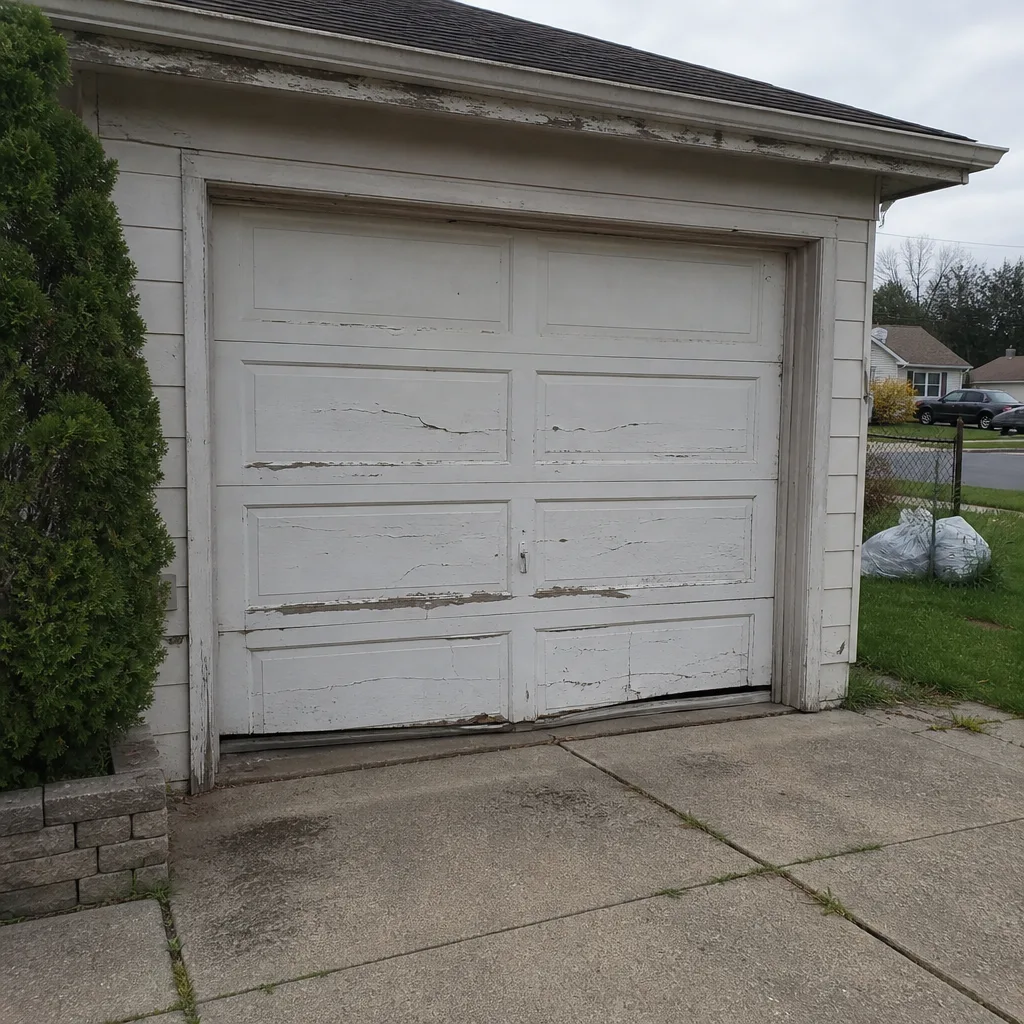 Before
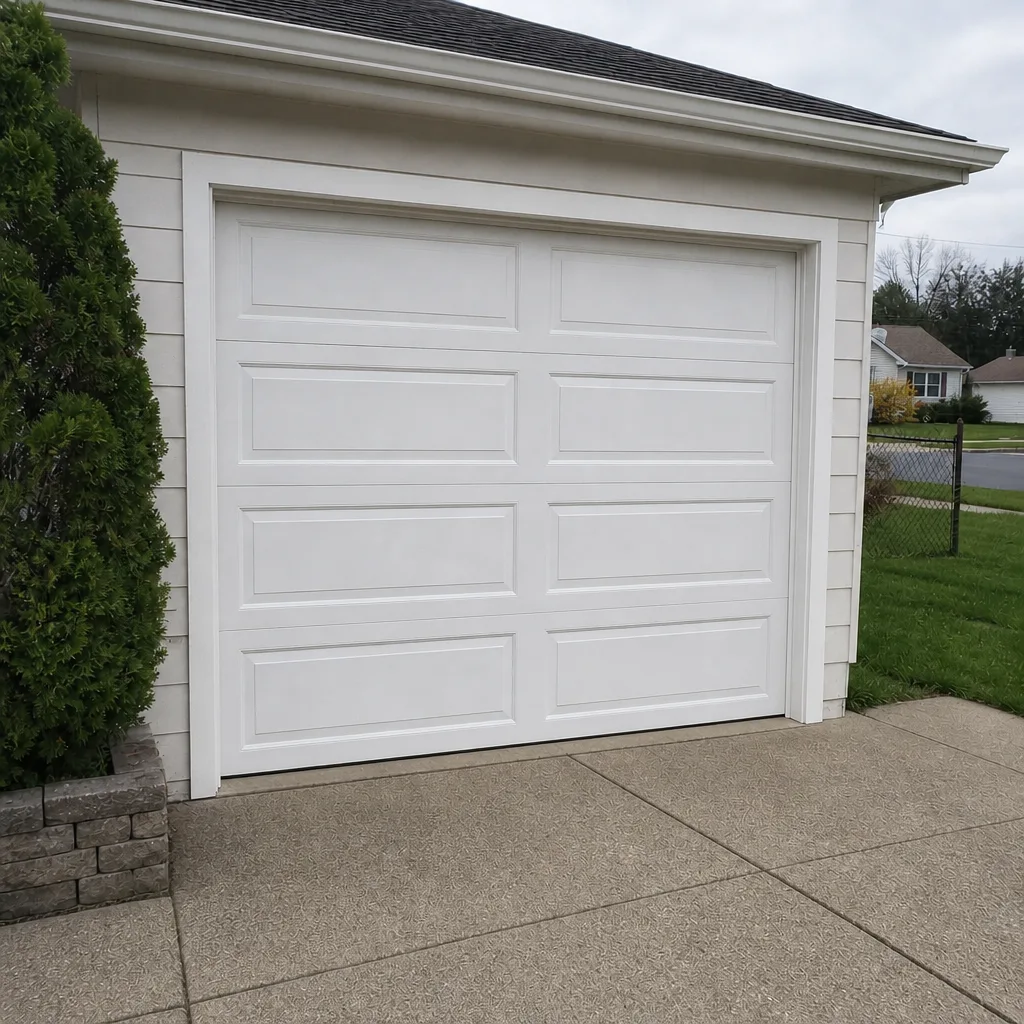 After
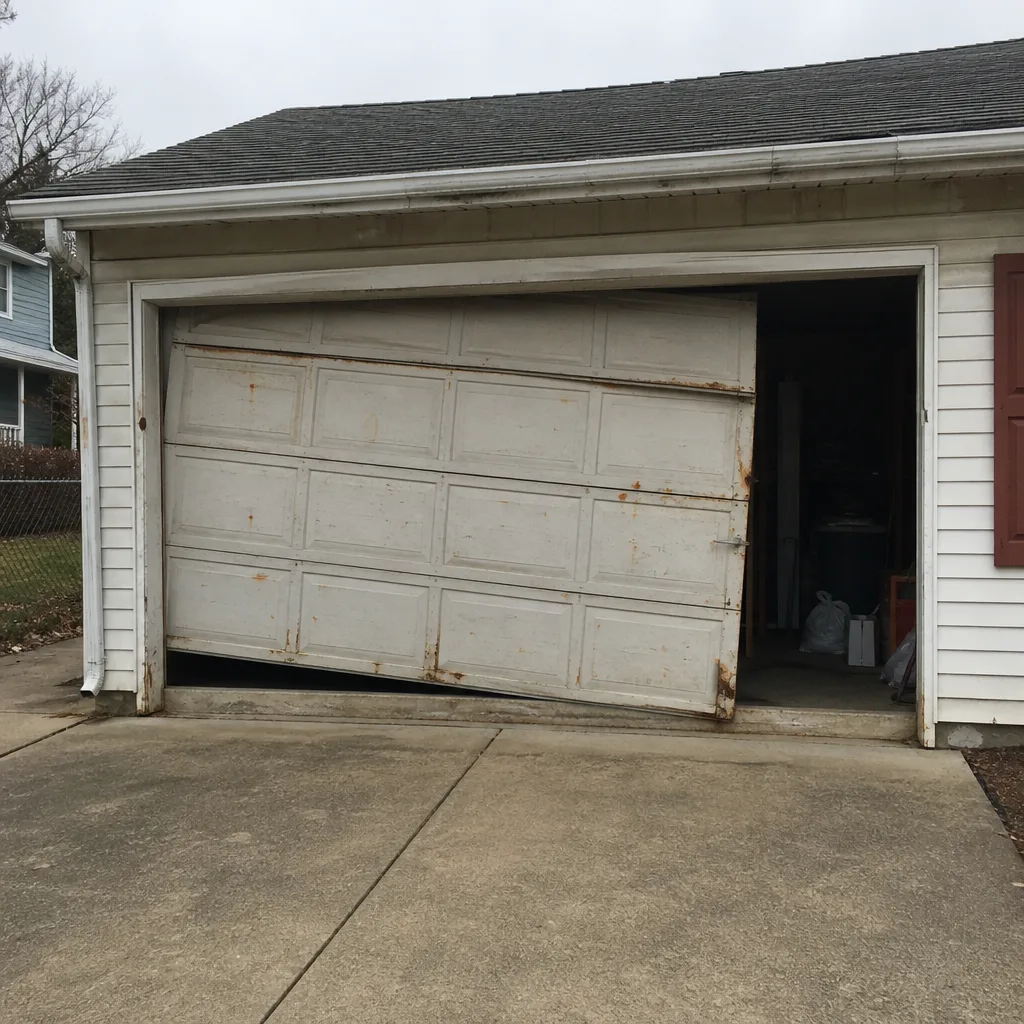 Before
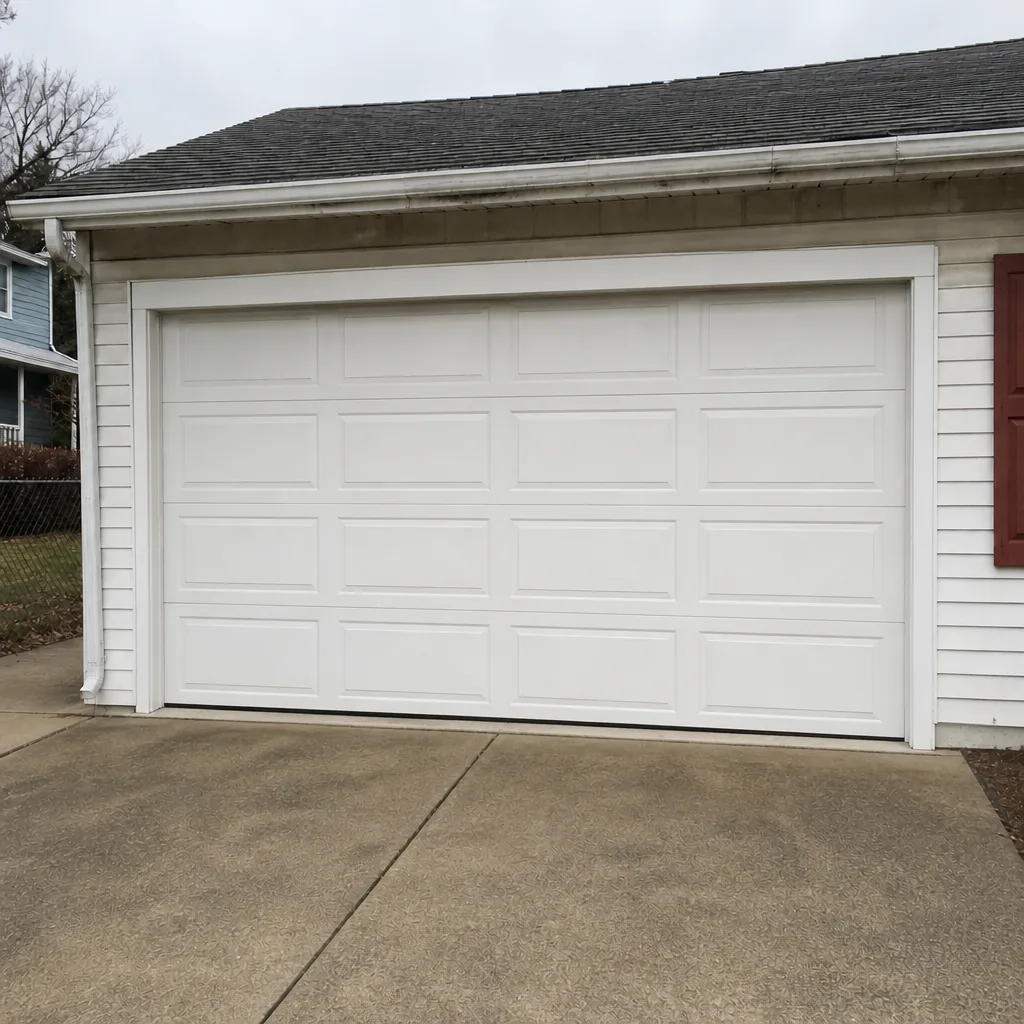 After
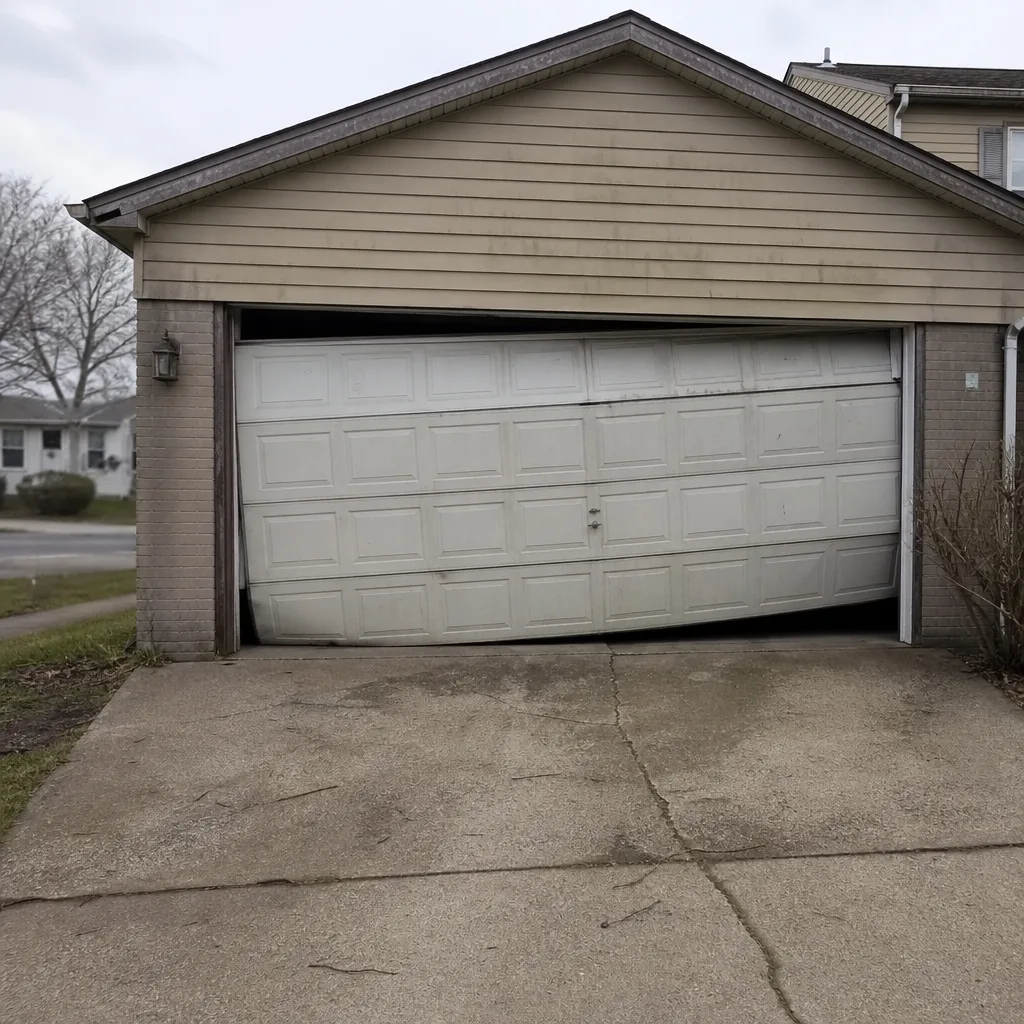 Before
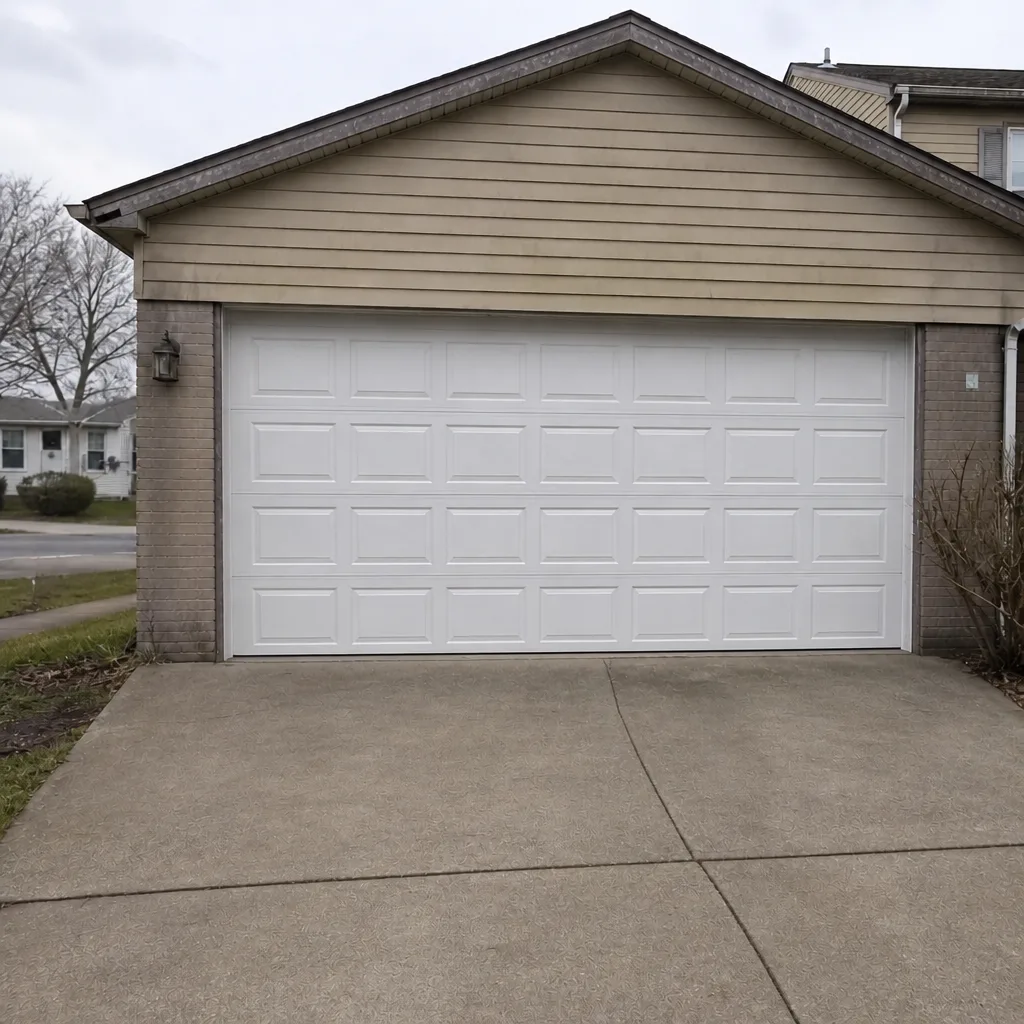 After
When to Call a Professional
Some failure modes are obvious – a broken spring, a snapped cable, or a door that’s come off its track. Others are quieter and easier to ignore: a door that squeaks more than it used to, a bottom seal that’s no longer touching the ground, a balance test that now slightly fails. Those are the ones most likely to leave you stranded on a cold morning if you wait.
Call us if: the balance test fails, the auto-reverse test fails, you hear a loud bang from the garage, the door goes crooked or refuses to close, the opener runs but the door doesn’t move, or you want a full professional inspection before winter. Our technicians are experienced with the spring, cable, and bracket work that’s not safe to DIY, and with the opener logic boards and travel-limit settings that cause most mysterious “door won’t close” problems.
Woodbridge Garage Door Repair Co offers free estimates in Woodbridge Township – call (877) 820-9179. We’ll tell you what’s actually wrong, quote the price before any work starts, and stand behind it. If the failure is urgent, our emergency garage door service is available – call and we’ll take it from there.
Frequently Asked Questions
Do a 10-minute monthly check (auto-reverse test, visual inspection), a full lubrication and bolt-tightening in fall before the first freeze, and a post-thaw check in March or April after the freeze-thaw cycle eases. That schedule is what keeps most doors working for years longer than a neglected one. Call (877) 820-9179 if anything looks off during a check.
Typical garage door repair costs in Woodbridge Township run $150 – $400 for most service calls, depending on the part and the opener brand. A single spring repair is usually in the $175 – $300 range, and a matched pair is typically about twice that since they’re replaced together. The written estimate sets the final price, and we quote and agree to it before any work starts. Call (877) 820-9179 for an exact quote – estimates are free.
You can safely lubricate hinges, roller stems, and the torsion spring coil yourself using a garage-door-specific lubricant. Skip the WD-40. Never touch the torsion spring itself while lubricating it – doing that work yourself doesn’t involve touching the spring with tools, and any spring adjustment requires a trained professional.
Most garage door repairs in Woodbridge Township are same-day service calls, especially for broken springs, opener failures, and doors off track. Call (877) 820-9179 and we’ll confirm the timing for your job. Our technicians carry the brand familiarity to diagnose quickly, and we work on the systems that are most common in the area.
No. The written estimate you receive before any work starts is the price – we quote and agree to it upfront. If we open things up and find something genuinely unexpected, we tell you first and get your approval before doing anything. You’ll never get a surprise invoice.
Yes. The local professionals we connect you with are licensed and insured as required by New Jersey. All spring, cable, and bracket work is handled by trained technicians, never handed off to a general handyman. Call (877) 820-9179 with any questions before booking.
The Bottom Line
A maintenance checklist only earns its keep if it matches the climate and environment where the door actually lives. In Woodbridge Township, that means a month-by-month calendar built around freeze-thaw cycles, humidity, and road salt drift from Routes 1 and 9. Do the homeowner-safe tasks on schedule – lubrication, cleaning, the three safety tests, and documentation – and keep the springs, cables, and bottom brackets on a technician’s list. Take photos at every inspection. Know the brand of your door and opener. Do the September – October pre-winter pass. Those habits are the difference between a door that quietly works for years and a door that fails on the coldest morning of the year.
If you’d like a full inspection, a repair, or help figuring out how to get your door back up and running, call Woodbridge Garage Door Repair Co at (877) 820-9179 for a free estimate. Garage doors are all we do – repair, springs, openers, and full installations – and we’d be glad to help.
Written by the team at Woodbridge Garage Door Repair Co.