Last updated November 23, 2026
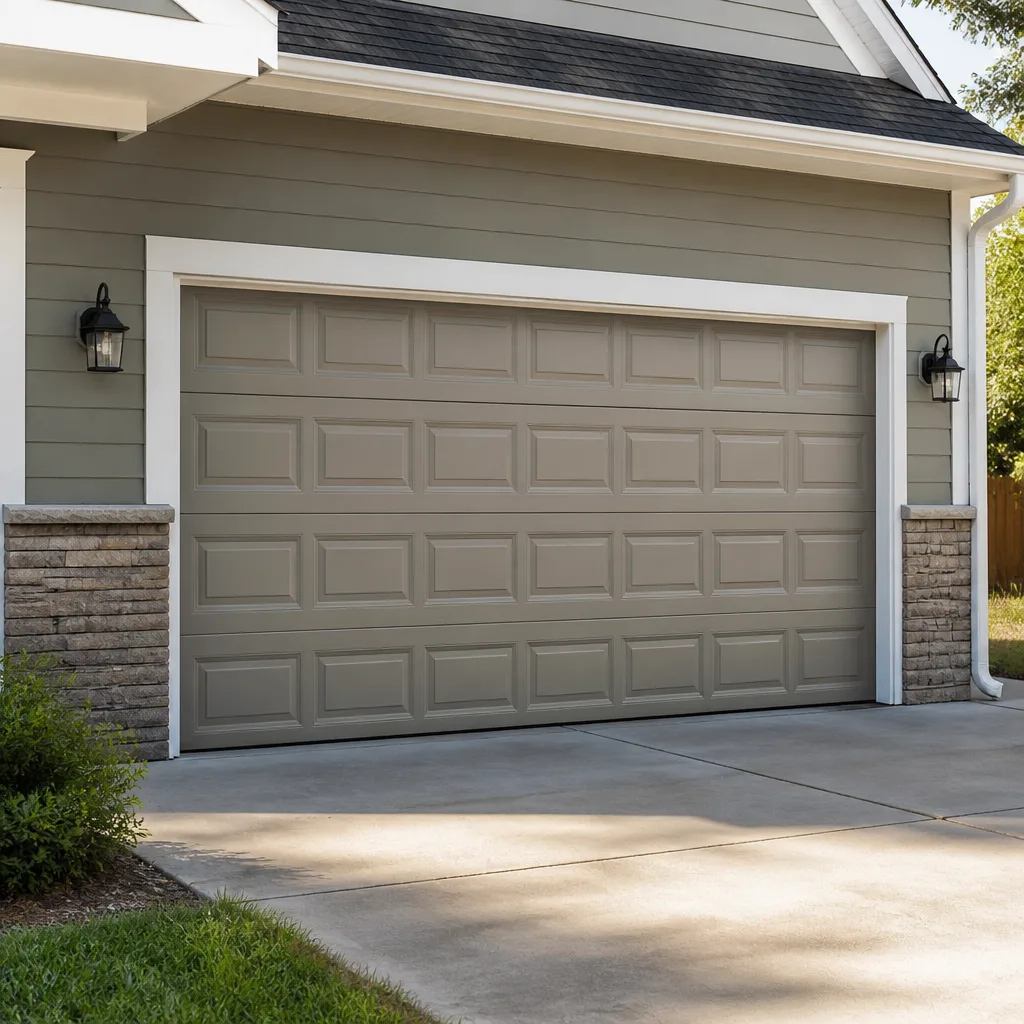 Raised-panel steel
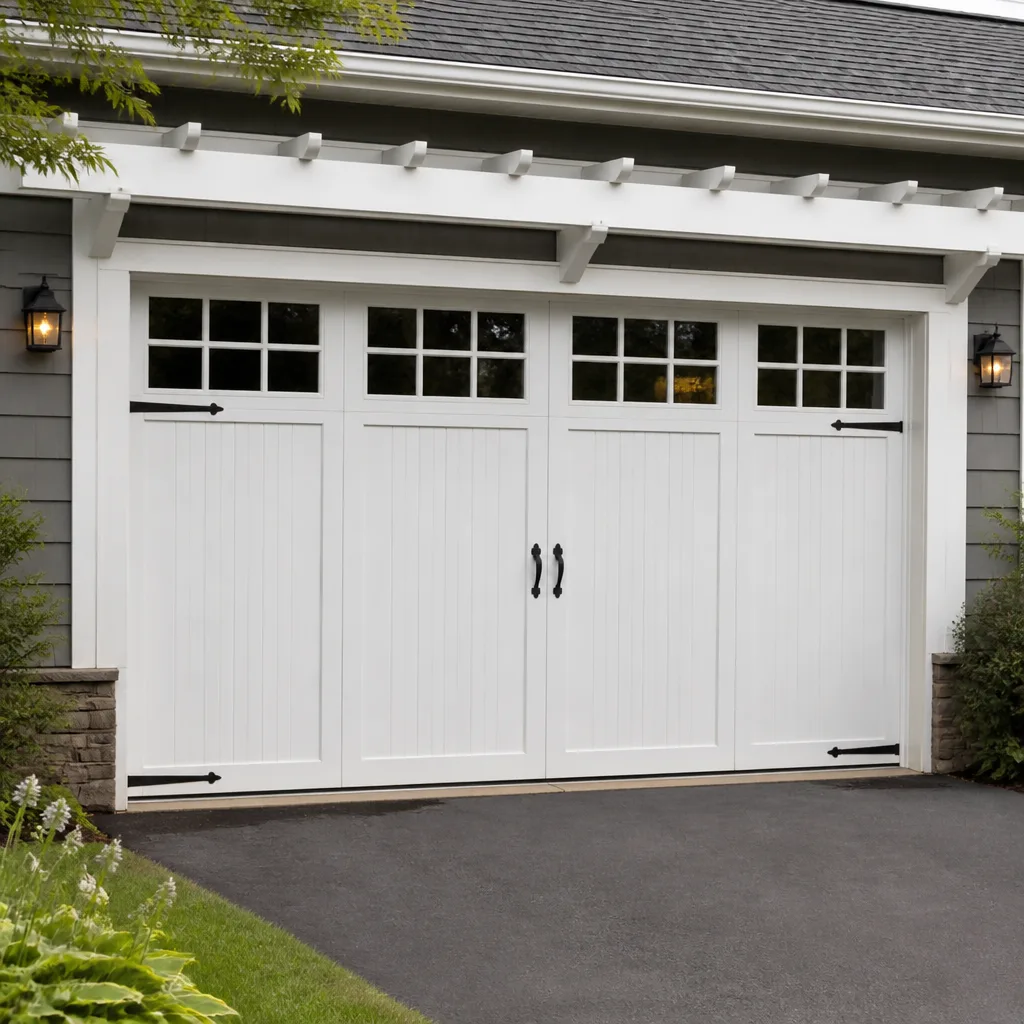 Carriage house
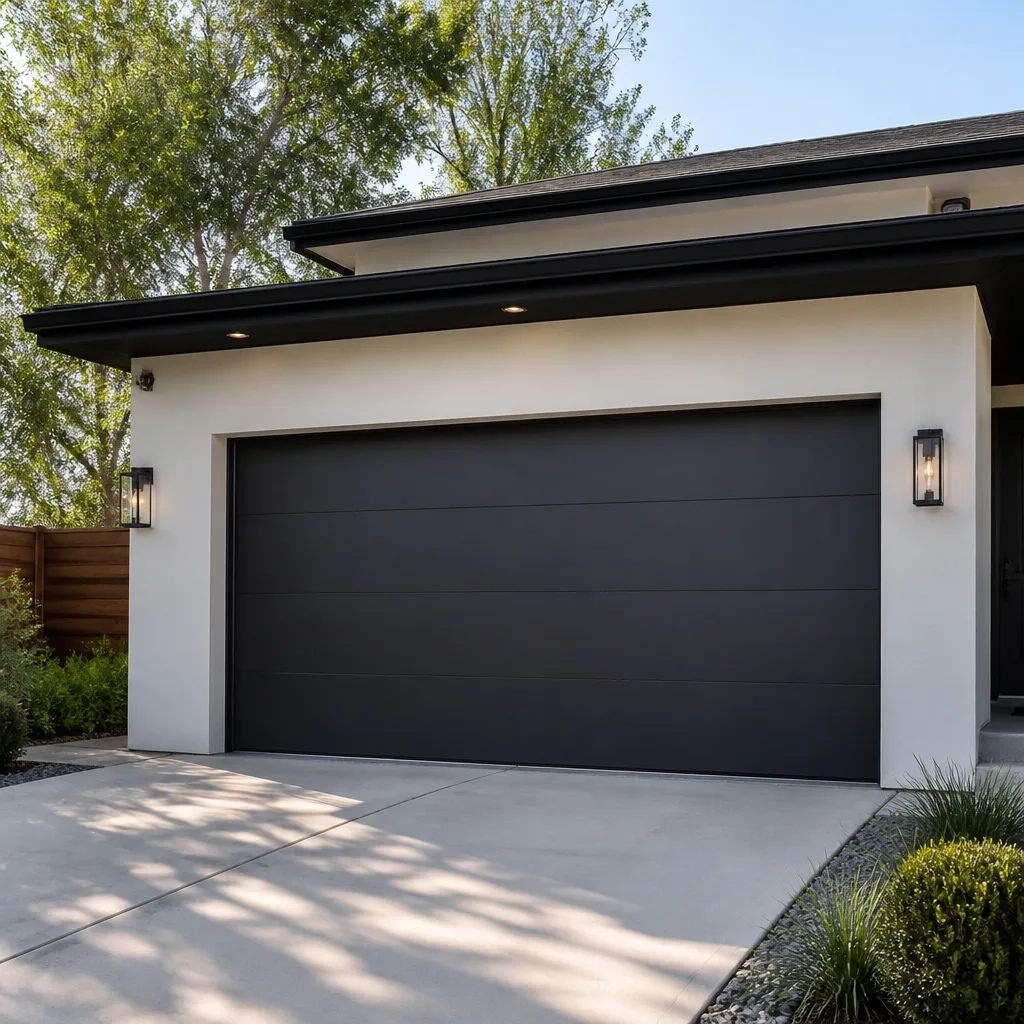 Modern flush
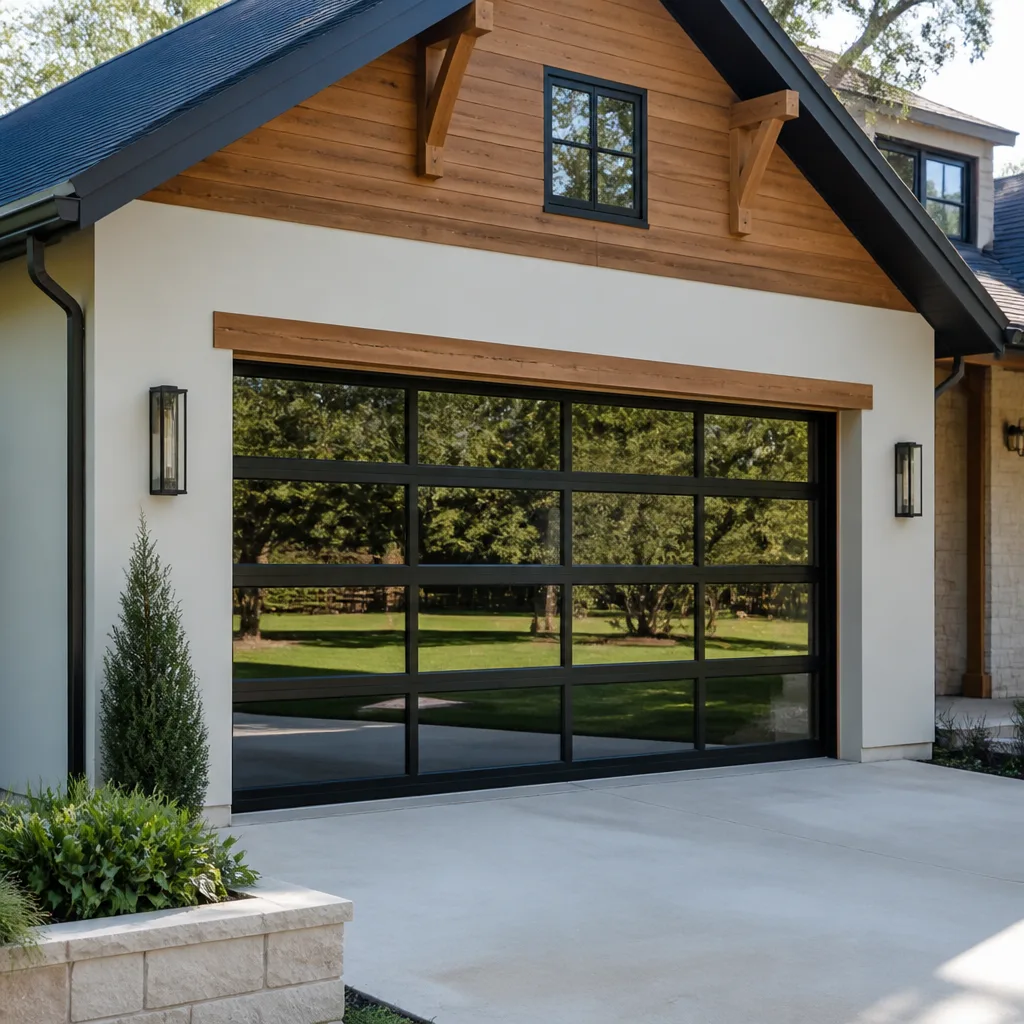 Full-view glass
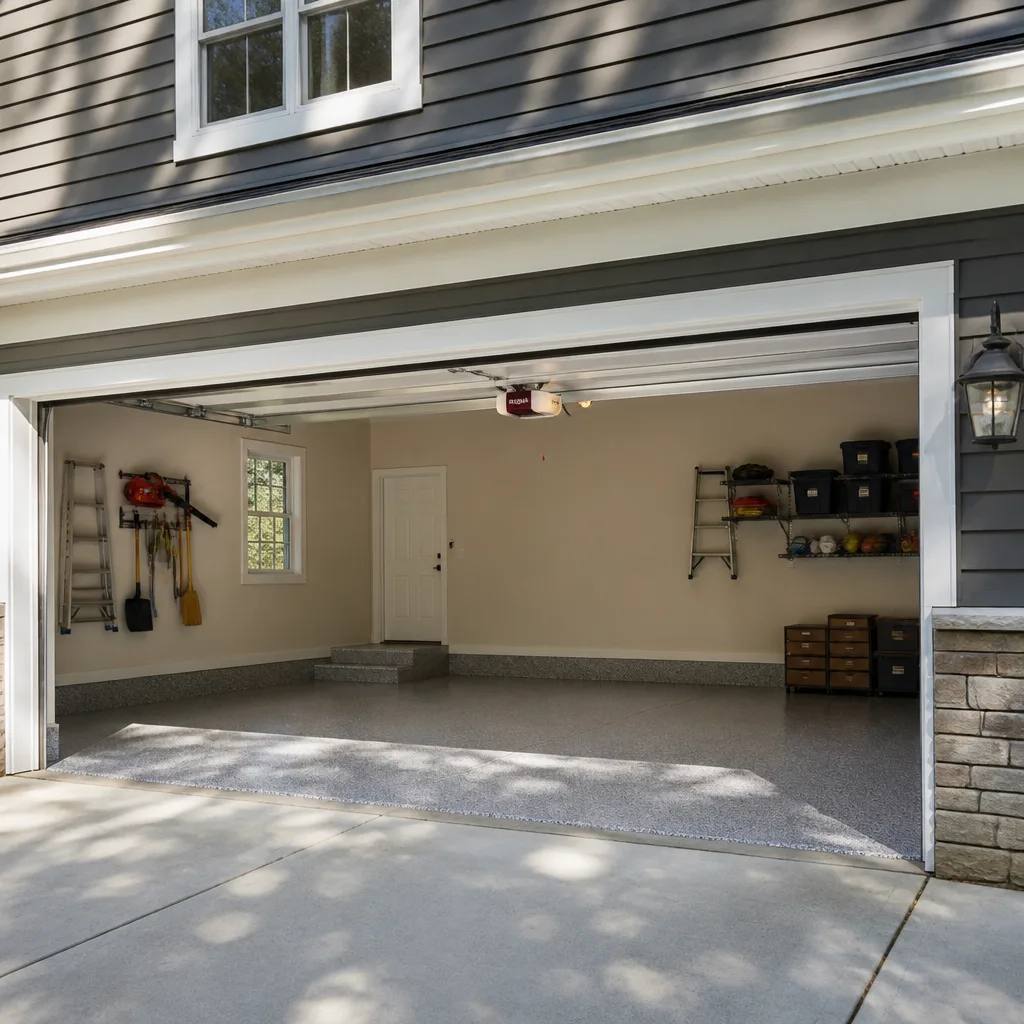 LiftMaster openers
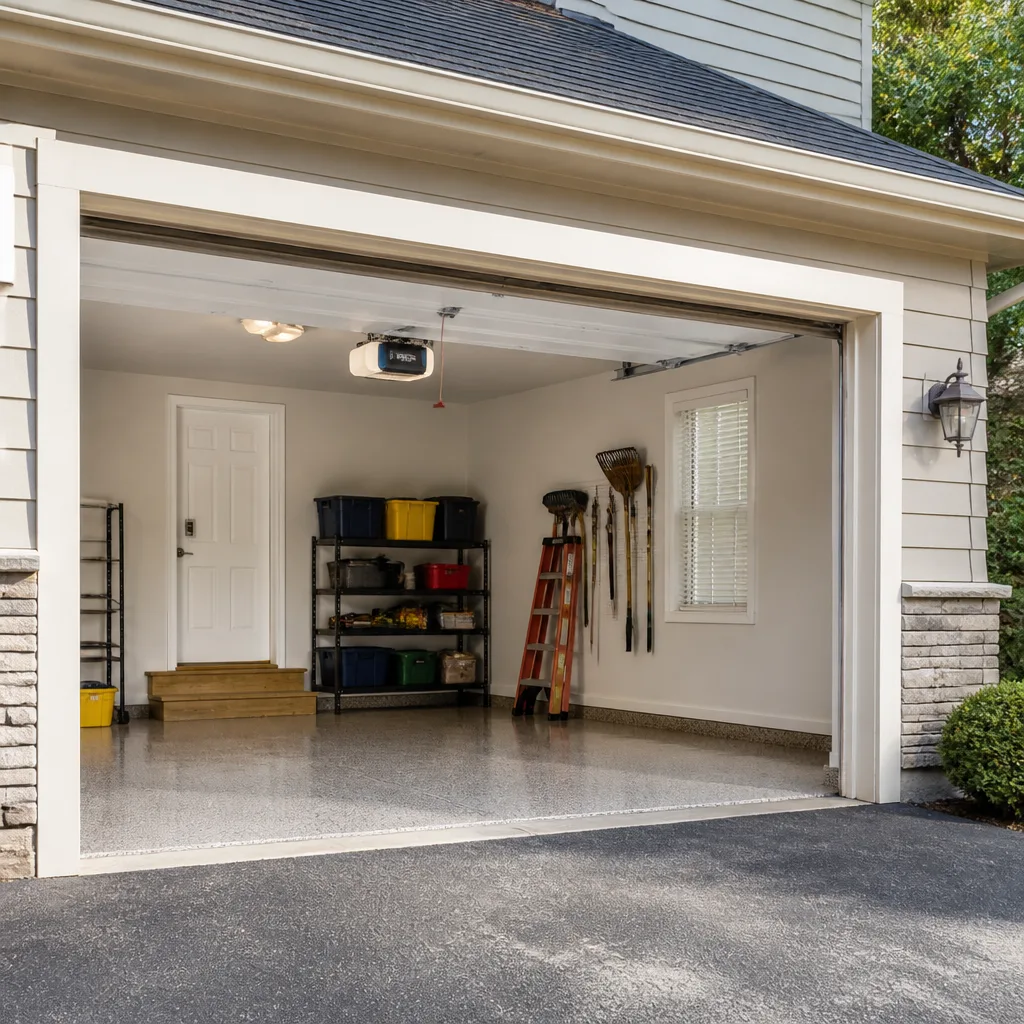 Chamberlain openers
Full 25-point door and opener safety check with every visit - springs, cables, rollers, tracks, and your LiftMaster or Chamberlain opener included
You get a price before we start. It does not change when the pro arrives.
Get your free estimateGarage Door Emergency Preparedness Guide for Woodbridge Township Homes
Most garage door advice tells you what to do after something breaks. This guide is about the hours before. When a spring lets go on a cold morning and your car is parked inside, the difference between a quick recovery and a wasted day is almost never the repair itself. It’s whether you already know where the manual release is, which failures are safe to touch, and which call to make first. Woodbridge Township homeowners deal with a particular mix of garage door trouble: cold-weather spring fatigue, nor’easter wind loads, and the ordinary wear of a door that opens and closes several times a day. Below, we walk through the situations that actually happen, in order, so you can act instead of guess.
Quick Answer
A garage door emergency is any failure that leaves the door stuck open, stuck closed with a car trapped inside, hanging off its tracks, or unsafe to operate. In Woodbridge Township, the right first move is almost always to stop operating the door, secure the opening if it’s stuck open, and call a specialist. Call (877) 820-9179 and we’ll help you triage the problem over the phone so you know whether it needs emergency service or a scheduled visit.
Styles & brands we work with
- Raised-panel steel
- Carriage house
- Modern flush
- Full-view glass
- LiftMaster openers
- Chamberlain openers
Table of Contents
- Know Your Door Before You Need It
- How to Use the Manual Release Safely
- When a Car Is Trapped Under a Failed Door
- Nor’easter and Hurricane Preparedness for Your Garage
- Securing a Door That Failed Open
- Emergency Call vs. Morning Appointment
- Why Springs Fail and What Never to Do
- Building a Simple Garage Door Emergency Kit
Know Your Door Before You Need It
During an emergency, you’ll be working with an unfamiliar mechanism under stress. That’s a bad combination. Walk out to your garage this week and note three things: what type of opener you have, where the manual release cord hangs, and whether the door is balanced when you lift it by hand.
Most openers in Woodbridge Township homes are chain-drive or belt-drive units. You’ll likely find one of the common brands on the motor housing – LiftMaster, Chamberlain, Genie, or a Craftsman unit that’s been up there for years. Knowing the brand matters because release procedures and remote-programming quirks differ from one to another. When you call for help, the brand and model number (usually on a sticker under the light cover) let us tell you immediately whether it’s a repair we can talk you through or something that needs eyes on it.
Here’s the pre-emergency check we recommend:
- Disconnect the opener with the release cord, then lift the door halfway by hand. It should rise smoothly with moderate effort and stay put when you let go.
- Reconnect the opener and listen. Grinding, snapping, or a motor that hums without moving the door are early warnings.
- Look at the springs above the door. If you see a visible gap in a torsion spring, the door is unsafe to operate.
- Test the safety reverse by placing a small object in the door’s path. The door should reverse on contact.
If any of that feels wrong, don’t keep cycling the door hoping it clears up. Write down what you noticed and call. That habit alone prevents a lot of the panicked calls we take. Our technicians have up to 15 years of experience reading exactly these symptoms.
How to Use the Manual Release Safely
The manual release lets you disconnect the door from the opener so you can lift it by hand. It’s the single most useful feature on your system, and it’s also the one people misuse most. Before you pull the cord, three conditions have to be met.
First, the door must be fully closed. Pulling the release with the door open drops it. Never do that.
Second, no one should be standing under the door. A disengaged door is held only by its springs and your grip.
Third, know your opener’s release type. Most LiftMaster and Chamberlain units use a red T-handle on a cord. Genie units vary by model but follow the same pull-to-disengage principle. If you’re not sure, don’t guess.
The safe sequence looks like this:
- Close the door completely and let the opener finish its cycle.
- Stand to the side, not underneath the door, and pull the release cord straight down toward you.
- Lift the door slowly by hand with both hands on the bottom section. If it feels heavy or falls faster than you expect, stop and call a professional – a failing spring may be the reason you needed the release in the first place.
- Once you’ve moved the car, lower the door gently and reconnect the opener by running it until it re-engages the trolley.
With a broken spring, the door will be extremely heavy and dangerous to lift. In our experience, that’s the moment to stop and call, not to muscle through. For spring-specific guidance, see our page on garage door spring repair.
When a Car Is Trapped Under a Failed Door
This is the scenario that generates the most urgent calls. A door has dropped partway or stopped mid-travel with a vehicle underneath or behind it. The first question is simple: is anyone hurt or in danger right now?
Call 911 if a person is injured, if the door is resting on a vehicle with someone inside and it can’t be safely opened, or if the structure itself looks unstable. Do not try to force a heavy door off a car by hand. This is a job for trained responders first.
If everyone is safe and the door is stuck in a partially-open position over the vehicle, here’s what to do:
- Turn off the opener at the wall switch or breaker. Don’t let anyone hit the remote while the situation is being assessed.
- Keep people and pets clear of the door’s travel path. A partially-failed door can fall further without warning.
- Don’t drive the car out unless the door is clearly stable and there’s full clearance above the roof.
- Call a specialist and describe the exact position – “door stuck about a third of the way down over the hood” tells us a lot.
What not to do: don’t prop the door with a ladder or a broomstick and hope it holds. That turns a repair into a safety hazard. And don’t climb on the vehicle to push the door up. Call us at (877) 820-9179 and we’ll help you decide whether it’s a now problem or a tomorrow problem.
Nor’easter and Hurricane Preparedness for Your Garage
Woodbridge Township sits in a stretch of Central Jersey that catches the full force of nor’easters and the occasional tropical system. Wind-driven rain, fallen limbs, and power outages are the recurring threats. Your garage door is a large, relatively light panel that wind pushes against, and it’s often the weakest point of a home’s weather envelope.
Before a storm is forecast, do a quick walk-around:
- Test the door’s balance and the safety reverse. A door that barely works in calm weather is likely to fail under load.
- Look for loose hinges, worn rollers, and any gap between the bottom seal and the floor.
- Clear the driveway of anything wind could throw against the door – trash cans, patio furniture, branches.
- Know how to manually lock the door if power fails. Most doors have slide bolts or a lock bar you can engage with the door closed.
When a storm is imminent and you can’t operate the opener, close the door fully and engage the manual lock. Don’t leave a door cracked open “for ventilation” during high wind. If a limb or debris damages a panel, don’t force the opener to try to cycle through the obstruction. That’s how a bent track turns into a much bigger repair.
After the storm, before you run the door, check the tracks for debris and confirm the door isn’t jammed. If it is, call and describe what happened. Our garage door repair team handles storm-related damage regularly across Woodbridge Township, and we know the difference between a panel that can be straightened and one that needs replacement.
Securing a Door That Failed Open
A door stuck open is a security problem, a weather problem, and a liability if someone wanders in. You can’t leave it that way overnight, but you also can’t just slam it down if the mechanism has failed. Here’s how to secure the opening until help arrives, without creating a new hazard.
First, cut power to the opener so it can’t try to move the door unexpectedly. Then assess. If the door is fully open and the tracks look straight, you may be able to lower it slowly by hand using the manual release, then engage the lock. If the door is off its track, tilted, or hanging from one side, do not force it. Instead:
- Block the opening from the inside with something heavy and stable – a vehicle parked close behind the door, if the space allows.
- Use a sturdy brace across the opening only if you can do it without touching the door itself. Never prop against a door that’s under tension from a broken spring.
- Illuminate the area from the inside and keep pets and children away from the opening.
- Call for service and tell us the door’s position and whether the tracks are intact.
In our experience, the safest overnight fix for a failed-open door is a vehicle parked snugly behind it plus the interior door locked. If that’s not possible in your Woodbridge Township home, call us and we’ll talk through the options, including whether a same-day visit makes sense.
Emergency Call vs. Morning Appointment
Not every garage door failure is an emergency, and knowing the difference saves you money and stress. Emergency service is for situations where waiting causes real harm: a car trapped inside, a door stuck open on a home’s main opening, a door hanging off its tracks, or anything that happened with a person or vehicle involved.
Here’s the triage most homeowners find useful:
- Call now: door open and won’t close, car trapped, door off track or tilted, spring visibly broken with the door up, damage from a collision or storm that leaves the opening unsecured.
- Call now, low urgency: opener runs but the door doesn’t move, remote stopped working, door reverses immediately on closing. These may be phone-triage-able.
- Schedule next: noisy operation, slow cycle times, a remote that works only up close, cosmetic dents or a single dented panel.
The smartest thing you can do is describe the problem honestly and let the specialist triage it with you. Some issues that sound serious – a dead remote, an opener that won’t respond – turn out to be simple and don’t need an after-hours call. Others that sound minor – a single broken spring on a two-spring door – shouldn’t wait, because the remaining spring is now carrying double the load. We’d rather tell you “that can wait for a morning appointment” than have you pay for an emergency visit you didn’t need. Call (877) 820-9179 and we’ll help you sort it out.
Why Springs Fail and What Never to Do
Torsion and extension springs do the heavy lifting on your door. They’re under high tension, and when one fails it lets go with a sharp snap. Cold weather stiffens the metal and shortens the life of the spring, which is why a lot of Woodbridge Township spring failures happen in the coldest weeks of the year. Age and cycle count matter too – a door that goes up and down several times a day wears its springs faster than one used once a day.
The single most important rule: never handle a spring yourself. The energy stored in a wound torsion spring can cause serious injury, and the tools needed to wind and unwind one are specialized. This is why most handymen won’t touch the job and why it’s a listed core service for us. If you see a broken spring or suspect one, take these steps:
- Stop operating the door immediately, by remote and by wall switch.
- Do not attempt to lift the door by hand if it’s heavy or slams down.
- Keep the area clear and call for professional spring service.
- If the door is stuck open, secure the opening as described above until help arrives.
A matched pair of springs is almost always replaced together, so budget for both. When you’re ready to schedule, our garage door spring repair page walks through what the job involves. For the parts that control the door – the opener, panel, and track – see our garage door opener repair and garage door repair pages. And if you’re weighing repair against a new door, the specialist at Woodbridge Garage Door Repair Co handles both, so you never need a second vendor as the situation evolves.
Building a Simple Garage Door Emergency Kit
You don’t need a lot, but a few items kept together save time and frustration. Put them in a small box on a shelf in the garage, where you can find them in the dark with a flashlight.
- A working flashlight with fresh batteries.
- The owner’s manual for your opener, or a note with the brand and model number.
- A printed card with the phone number for garage door help – ours is (877) 820-9179.
- Gloves, so you’re not handling a spring or cable with bare hands.
- A small pad or tape for marking where the door stuck, useful when you describe the problem.
The best-prepared homeowners in Woodbridge Township also keep a written record of their door’s last service, brand, and approximate age. That one page turns every future call into a faster conversation.
Common Mistakes to Avoid
- Trying to force a stuck door open or closed. Forcing a door with a broken spring or a bent track turns a small repair into a major one, and it can cause injury. Stop and call.
- Pulling the manual release with the door open. This drops the door. Always close it fully first.
- Handling springs or cables yourself. The stored energy is dangerous and the tools are specialized. This is a trained-professional job, plain and simple.
- Ignoring one broken spring on a two-spring door. The second spring now carries double the load and can fail soon after. Address both together.
- Cycling the opener repeatedly to “see if it clears.” Every cycle wears the mechanism further. If it failed once, it will fail again.
- Leaving a failed door open overnight. In Woodbridge Township, a propped-open garage is an invitation for trouble. Secure the opening until help arrives.
- Assuming a dead remote means a dead opener. Often it’s a battery, a programming issue, or a safety sensor. Describe the symptom and let a specialist triage it.
See the difference
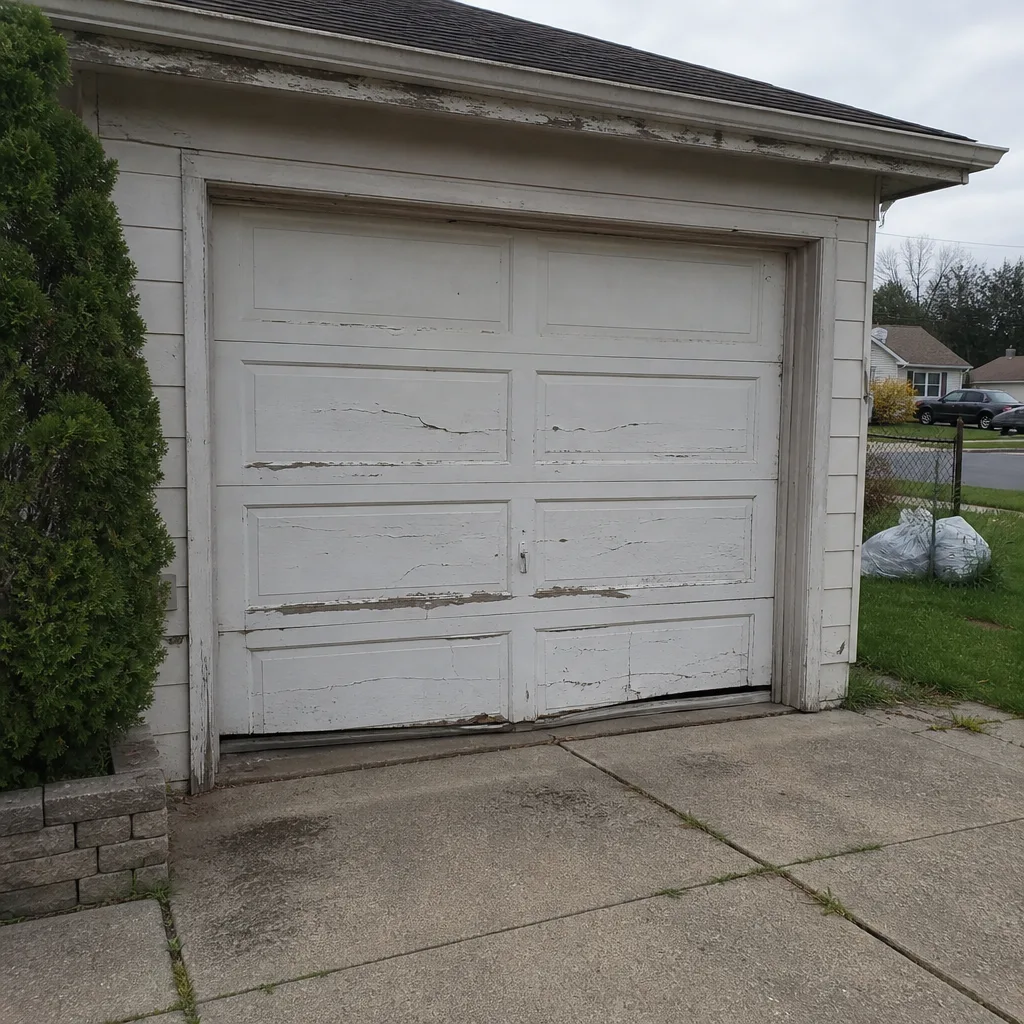 Before
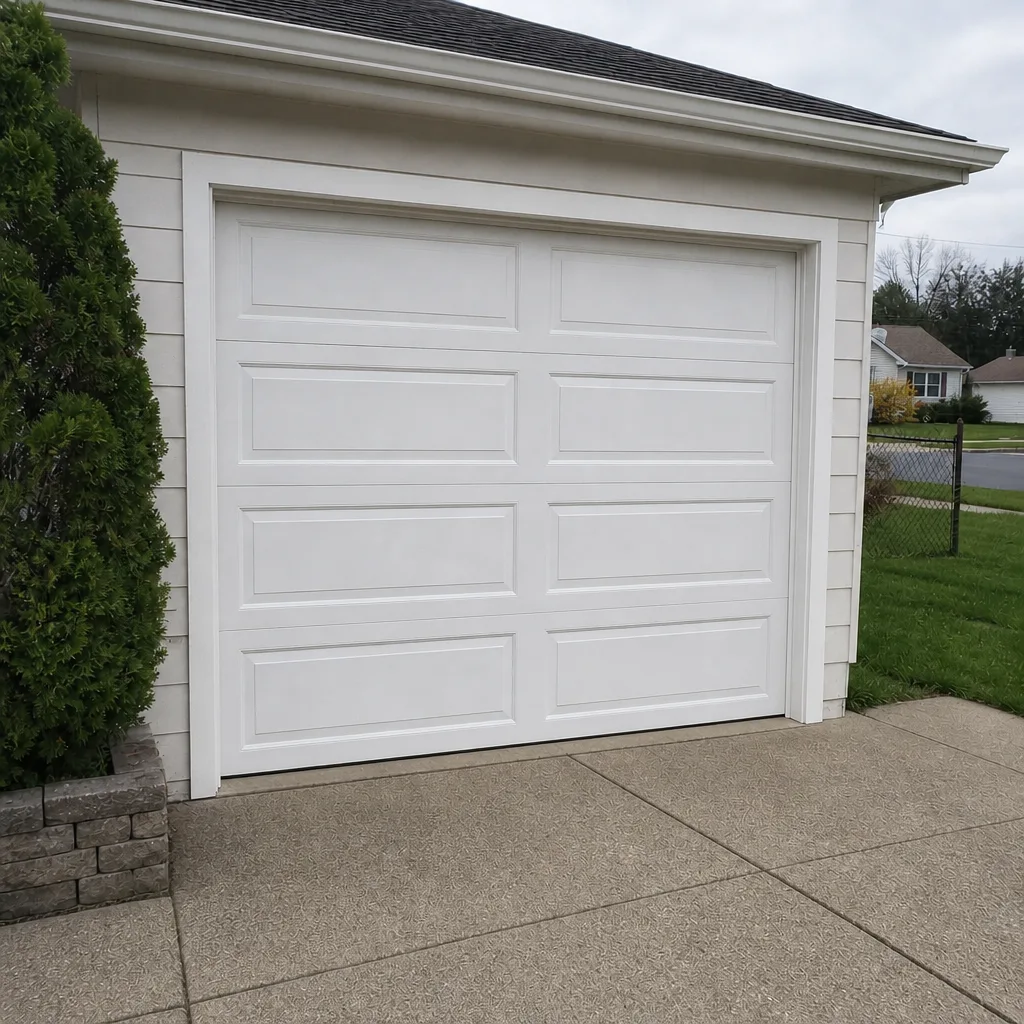 After
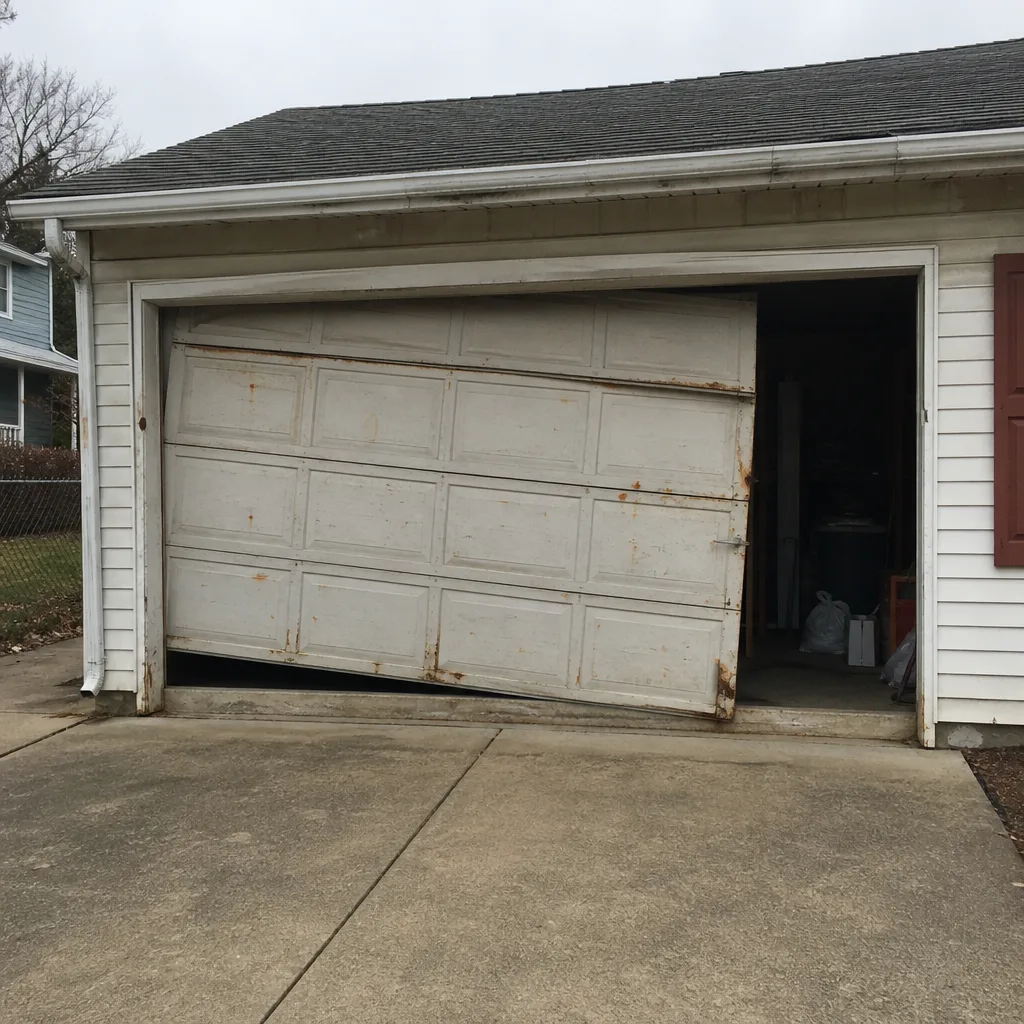 Before
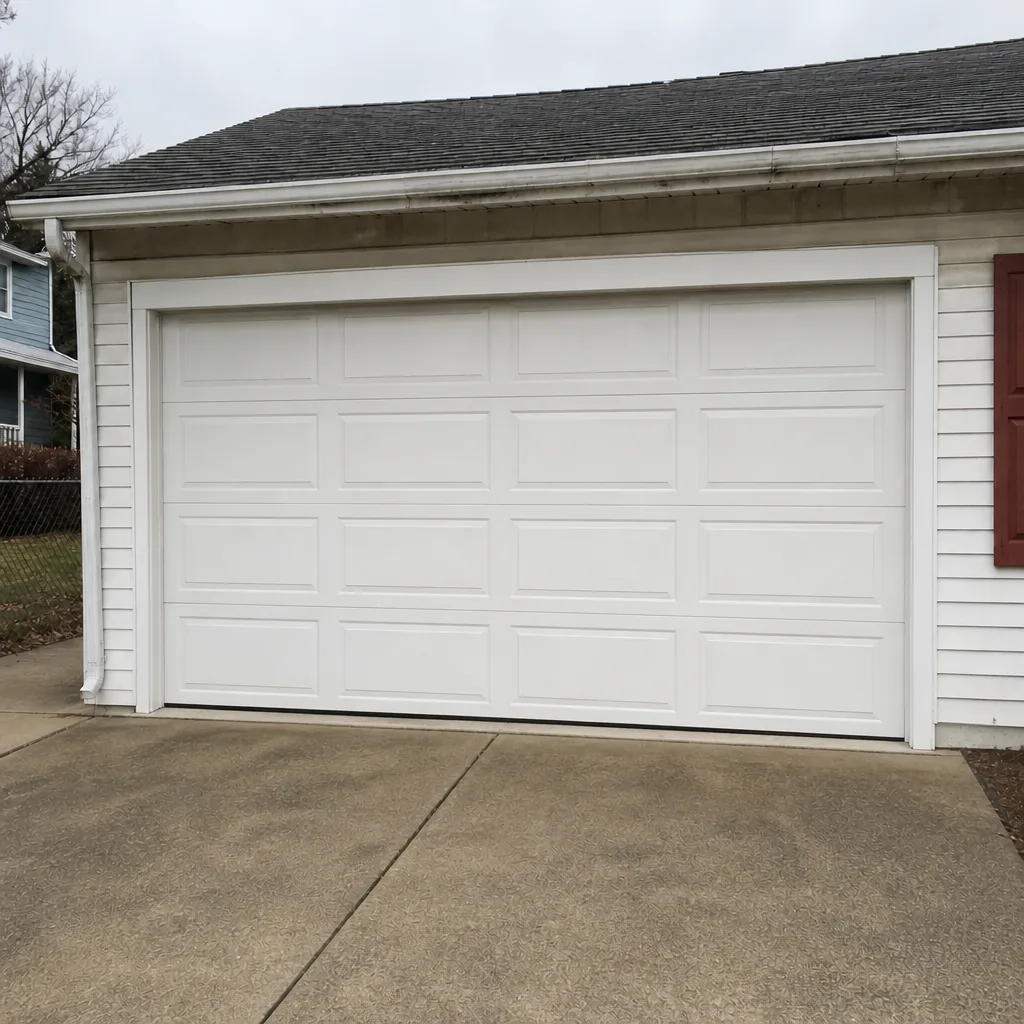 After
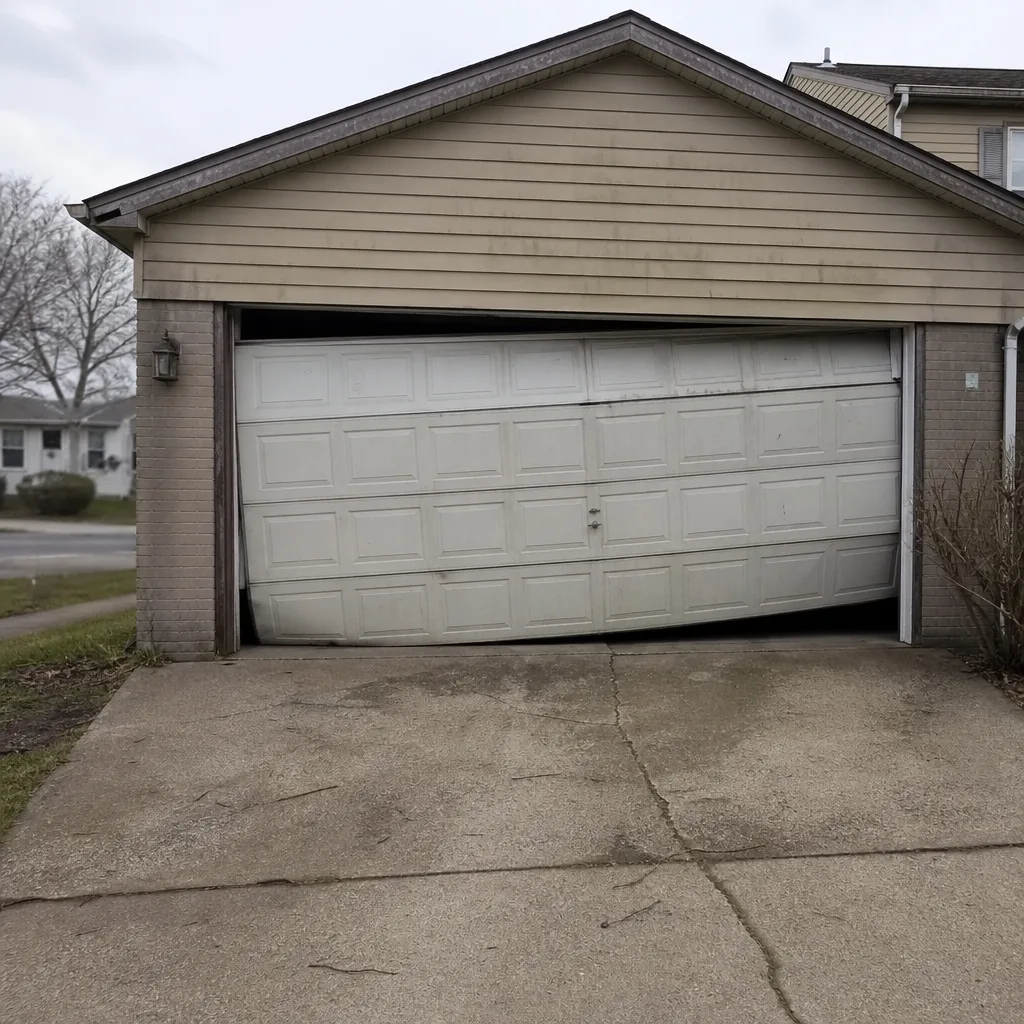 Before
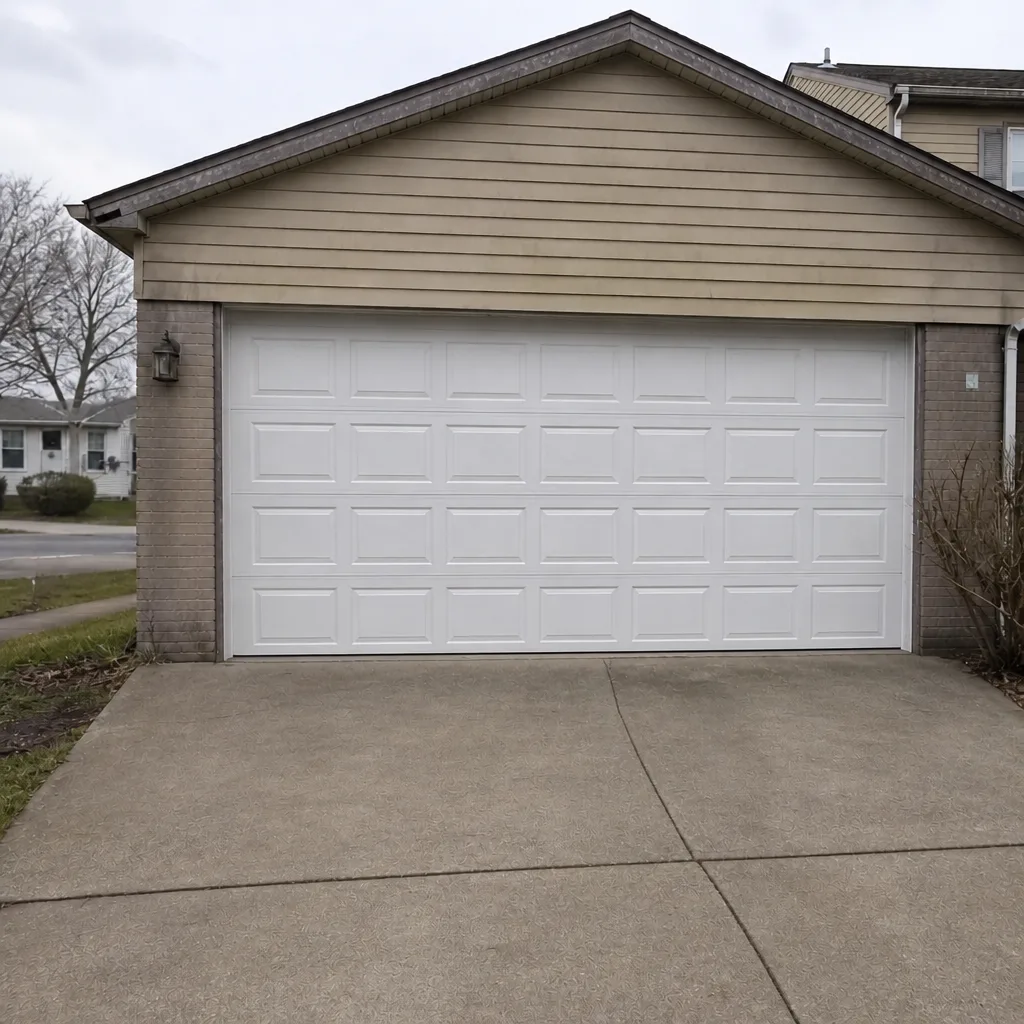 After
When to Call a Professional
Call a professional any time you’re unsure whether the door is safe to operate, whenever a spring is broken or a cable is loose, and whenever the door is off its tracks or hanging unevenly. Also call if the opener has failed, if a vehicle is involved in a collision, or if a storm has damaged the door or its hardware. The moments that look manageable are often the ones that turn serious without warning – a partially-failed door can drop, and a broken spring can’t be safely managed by hand. Woodbridge Garage Door Repair Co offers free estimates in Woodbridge Township – call (877) 820-9179 and we’ll help you decide what happens next.
Frequently Asked Questions
Emergency garage door repair in Woodbridge Township typically costs more than a scheduled visit because of the after-hours call, and the exact range depends on the failure – a spring replacement is priced differently than a track repair or an opener diagnosis. We quote the price before any work starts, and the written estimate sets the final number, so you won’t get a surprise invoice after the job. Call (877) 820-9179 for an exact quote – estimates are free.
Yes, for genuine emergencies – a door stuck open, a car trapped inside, or a door off its tracks – we can typically respond the same day, including emergency service outside normal business hours. Tell us what happened and the door’s condition when you call, and we’ll tell you honestly whether it needs to be today or can wait for a scheduled appointment. Call (877) 820-9179.
No. The price is quoted and agreed before any work starts, and the written estimate is the price. If we find something during the job that genuinely changes the scope, we stop and talk with you before continuing, never after the fact. Call (877) 820-9179 for a free estimate.
Yes. The local professionals we connect you with are licensed and insured as their state requires, and our technicians have up to 15 years of experience. If you have questions about credentials for your specific job, ask when you call and we’ll walk you through it. Call (877) 820-9179.
Call 911 first if anyone is hurt or the structure looks unstable. If everyone is safe, cut power to the opener, keep clear of the door’s path, and don’t try to force the door by hand or drive the car out unless there’s full, stable clearance. Then call (877) 820-9179 and describe the door’s exact position so we can help you triage.
It’s safe only if the tracks are straight, no debris is jammed in the door’s path, and the door rises and lowers without resistance or noise. If a limb or wind damage bent a panel or track, or if the door doesn’t move smoothly, don’t run it – call us at (877) 820-9179 and we’ll help you decide whether it needs a visit.
The Bottom Line
Most garage door emergencies become manageable the moment you know what to do and who to call. The essentials: close the door before pulling the manual release, never handle a spring yourself, secure an open door with a vehicle behind it rather than a prop, call 911 first if anyone is in danger, and let a specialist triage the rest by phone so you pay for emergency service only when you truly need it. If you’re unsure at any point, that’s your cue to call. Preparedness is cheap. Panic is not.
When your door fails, you want a specialist who works on the brand already in your garage. Woodbridge Garage Door Repair Co services LiftMaster, Chamberlain, Genie, and more across Woodbridge Township – springs, openers, panels, and full doors, one call. Call (877) 820-9179 for a free estimate and we’ll get you back up and running.
Written by the team at Woodbridge Garage Door Repair Co.