Last updated November 23, 2026
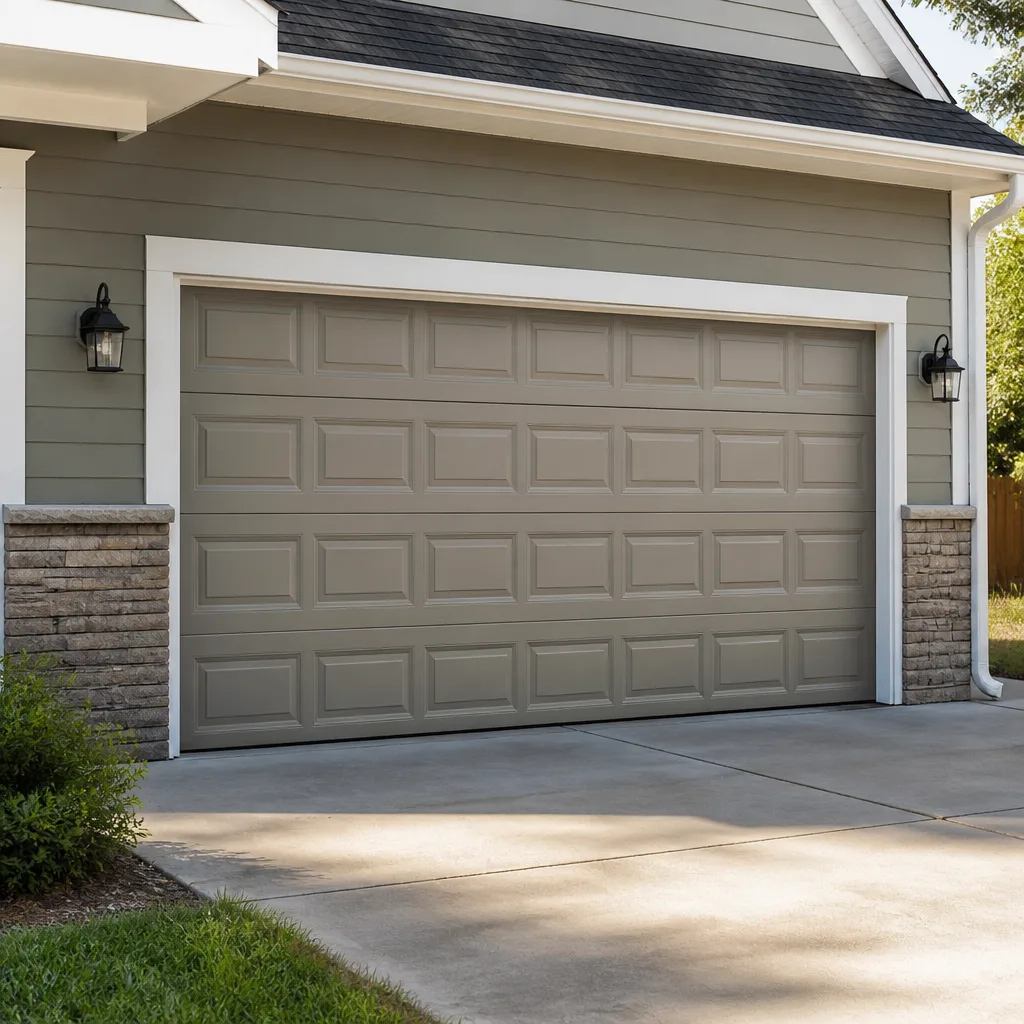 Raised-panel steel
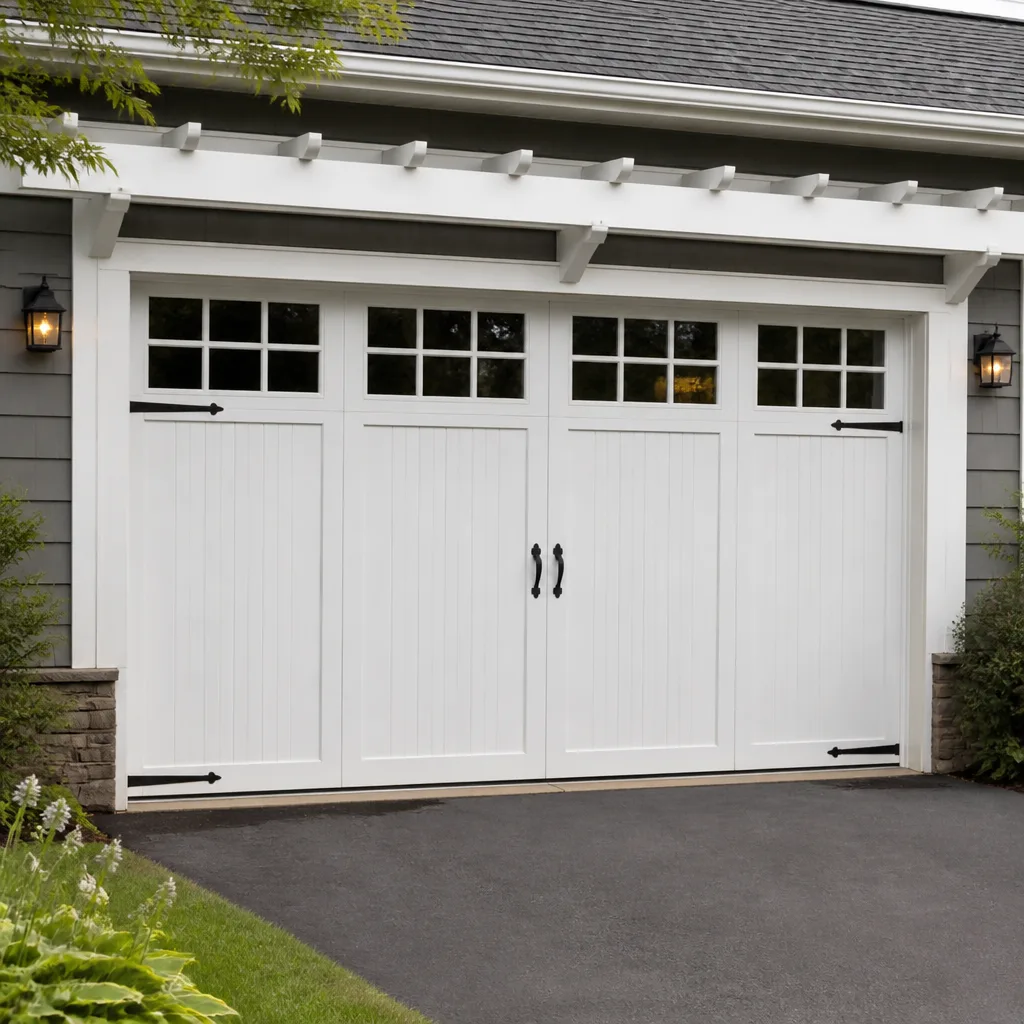 Carriage house
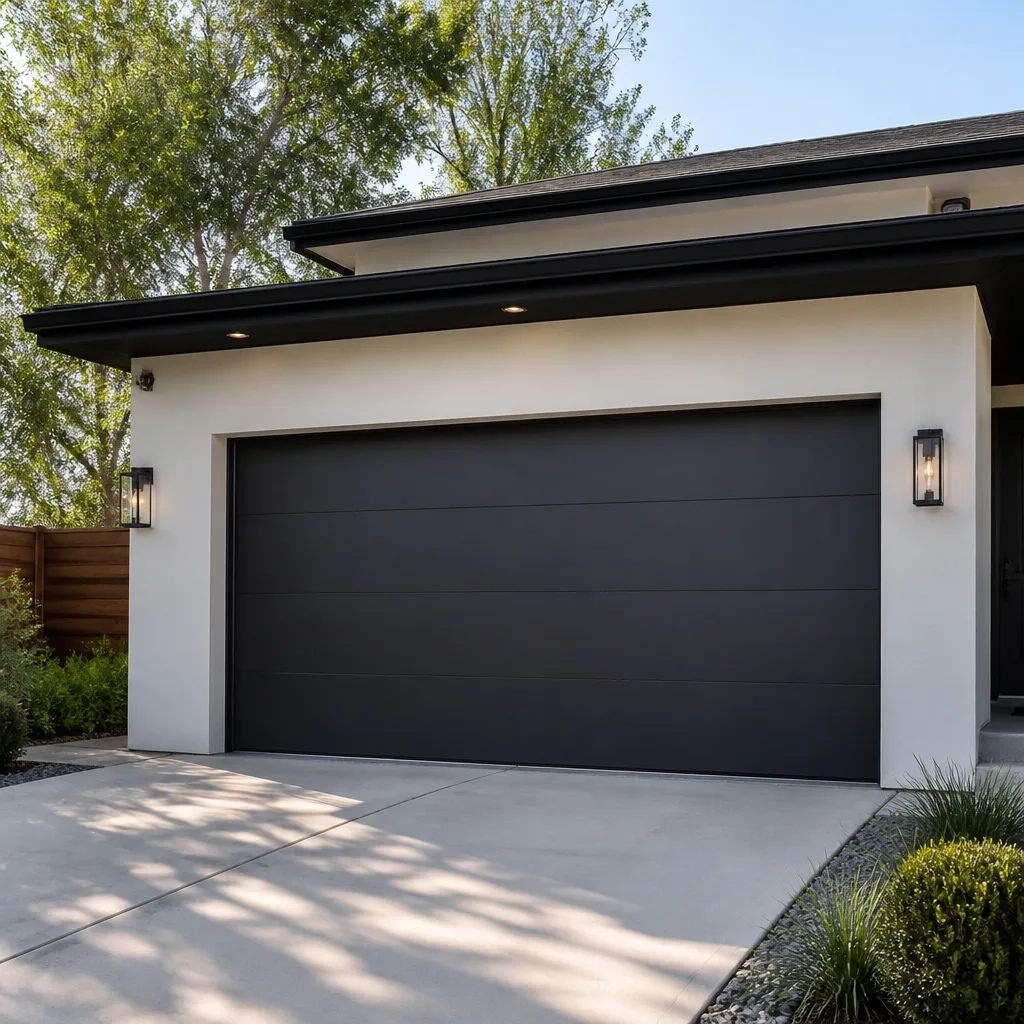 Modern flush
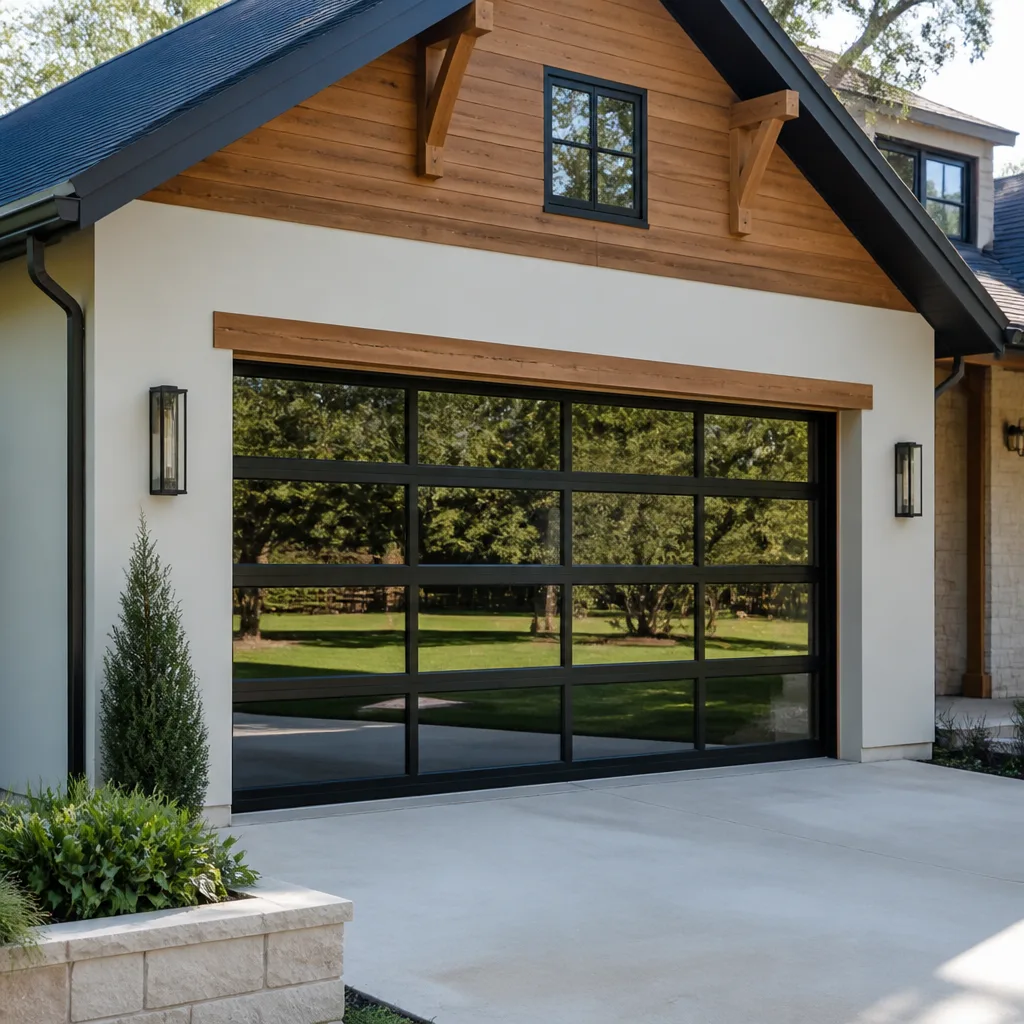 Full-view glass
 LiftMaster openers
 Chamberlain openers
Full 25-point door and opener safety check with every visit - springs, cables, rollers, tracks, and your LiftMaster or Chamberlain opener included
You get a price before we start. It does not change when the pro arrives.
Get your free estimateGarage Door Warning Signs: A Woodbridge Township Homeowner’s Reference Guide
A garage door rarely fails without warning. The half-second hesitation before it lifts, the grind that shows up at chest height, the cable that looks fuzzy along one edge – each of those is the door telling you something specific, and most of them show up weeks before the door actually quits. The problem is that homeowners hear “it’s making a noise” and have no way to sort a cheap fix from a dangerous one. This guide translates the sounds, movements, and visual cues into plain-English diagnoses, so you can describe what’s happening accurately and know whether to schedule service or stop using the door today. Woodbridge Township homes have their own patterns worth knowing, especially in the older attached garages around the township.
Quick Answer
The most serious garage door warning signs are visible cable fraying, a door that hangs crooked, a loud pop followed by a door that won’t lift, and any door that reverses without warning. Those mean stop using the door and call a professional. Quieter symptoms – squealing, minor rattling, a slow start – usually mean worn rollers, dry hinges, or a spring under load that’s losing tension, and they’re worth scheduling before they turn into one of the serious ones. If you can hear a difference but the door still opens, you have time to plan. If the door’s movement has changed, treat it as urgent.
Styles & brands we work with
- Raised-panel steel
- Carriage house
- Modern flush
- Full-view glass
- LiftMaster openers
- Chamberlain openers
Table of Contents
- The Sound-to-Problem Decoder
- Visual Inspection Points You Can Check From the Floor
- Reading Slow or Uneven Movement
- Stop Using the Door Now vs. Schedule Service This Week
- Why Warning Signs Show Up Differently in Woodbridge Township’s Older Garages
- The Five-Minute Check You Can Do Without Touching Anything
- What Waiting Costs You
The Sound-to-Problem Decoder
A sound by itself means little. The same grinding noise can come from a failing bearing, a bent track, or a piece of grit on a roller, and the difference between those three is what stage of the door’s travel the sound shows up. Listen to when it happens as much as what it sounds like. That single habit will tell you more than any single symptom.
Here’s how the four most common complaints usually break down:
- Grinding – most common at the start of the cycle, when the opener is straining. If it starts at the beginning of travel and fades as the door comes up, that points to a torque or resistance problem. If it grinds throughout, look at the rollers or the torsion tube. Grinding from a torsion assembly is not a homeowner job.
- Squealing – almost always metal on metal. Worn rollers, dry hinges, or a worn opener bearing. Squealing that gets louder in cold weather is a strong signal toward lubrication or roller wear, since the metal contracts and clearance tightens.
- Popping – listen carefully for the stage. One loud pop at one specific spot in travel can mean a section hinge binding or a panel flexing under track pressure. A series of smaller pops along one track usually points to a loose bracket or a roller jumping its track edge. Popping near the torsion bar when the door stops is the one to call about promptly.
- Rattling – the least urgent symptom, and the one that’s most often a loose bolt on the track or hinge plate. Rattling that gets worse over a couple of weeks isn’t necessarily worse damage, but it’s worth tightening before a bolt backs out entirely.
The rule of thumb: sounds that come from the top of the door are more serious than sounds that come from the sides, because the top is where the torsion assembly and the cable drums sit. When homeowners describe a symptom as coming “from above the door,” we treat that as a higher priority than the same sound at the roller level. Our garage door repair work covers all of these, and the diagnosis always starts with somebody listening to the same thing you’ve been listening to.
Visual Inspection Points You Can Check From the Floor
You can learn a lot about your door’s condition without touching the springs, cables, or torsion bar. These are the visual cues homeowners can safely check on their own, and each one gives you something concrete to say when you call.
- Look at the cables along the sides. A healthy cable looks uniform, with a consistent twist. Fraying shows up as a fuzzy or uneven edge, or single wires separating from the strand. Fraying is a stop-now signal. Cables are under severe tension and must never be touched or adjusted by a homeowner – this is exactly why cable work belongs to a trained technician.
- Check the roller faces. Rollers should be smooth and round. Flats, chips, or wobble on the roller face mean the wheel is no longer rolling in the track the way it was designed to. Worn rollers cause most of the popping and rattling sounds in the sections above.
- Look at the panel seams. Stand back and check the gaps between door sections. Even gaps all the way up are healthy. Gaps that widen on one side mean the door is flexing, which is usually a hinge or track symptom and sometimes a spring one.
- Check the track edges. The vertical track should run plumb. If a track looks bent inward or outward, the door may still lift but each cycle grinds that bend a little worse. A slightly bent track never straightens itself.
- Inspect the bottom seal. A ragged seal isn’t a mechanism issue, but it lets wind, water, and cold air under the door – especially relevant on Woodbridge Township’s windy winter days.
- Look at the opener rail and bracket. The rail should be straight and centered. If the bracket at the door’s top has bent, the opener’s pulling arm is out of alignment with the door’s travel, which accelerates wear on all the moving parts.
What you should not do from this list is climb a ladder and start adjusting anything on the torsion system. That’s the part of the job that produces serious injuries every year, and it’s the part we always handle with trained hands.
Reading Slow or Uneven Movement
A door that starts slowly, or stops before it reaches the fully open position, is telling you which system is struggling. Slow uniform movement throughout the travel usually points to the opener straining against added resistance – often a worn roller or a worn bearing. Movement that hesitates noticeably at the start and then speeds up usually points to the torsion spring, because the spring is doing the heavy lifting at that moment. Movement that runs smoothly until one point and then hitches points to a mechanical problem in the track at that specific height.
Here’s a working breakdown:
- Hesitates at the start, then normal. Spring territory. The spring has lost some of its stored tension, and the opener is picking up the slack. This usually gets worse over weeks, not months.
- Slow throughout the whole cycle. Rollers, bearings, or opener drive. Check whether the door feels heavy by hand at the halfway point (with the opener disengaged if you know how to do that safely). If it feels heavy by hand, the issue is the door’s balance, which leads back to spring tension.
- Stops at one point, then reverses. The safety sensor or the opener’s force limit has triggered. If it happens reliably at one height, the door’s movement is biding up against something there – a warped track, a bent panel, or a hinge binding.
- Opens crooked, with one side leading. Track problem, roller problem, or a failed cable. On Woodbridge Township’s older doors, this often traces to a worn drum or a cable that’s slipping on one drum.
A crooked door is one to stop using until it’s checked. Every cycle it runs crooked pulls unevenly on the other side and stresses the torsion system. What starts as a bent track can become a broken spring with a few more cycles.
Stop Using the Door Now vs. Schedule Service This Week
The single most useful decision you can make is whether the door is safe to keep using while you wait for an appointment. Here’s the honest split.
Stop using the door now:
- A visible frayed cable along either side.
- Anything that pops loudly near the torsion bar at the top of the door.
- A door that runs crooked, one side leading the other.
- A door that hangs at an angle or comes down unevenly on one side.
- A door that reverses without warning, or a motion sensor that triggers repeatedly.
- Any door that has been manually lifted with the opener engaged – never a good sign, and never a state to keep cycling.
Schedule service this week:
- Grinding, squealing, or rattling that hasn’t changed the door’s movement.
- A slow start that’s consistent but not worsening.
- Worn rollers, loose bolts, small track bends.
- An opener that runs but doesn’t finish its cycle; cycle this once to confirm, then call.
If you’re unsure, that’s a good reason to pick up the phone rather than keep cycling the door. Our technicians have up to 15 years of experience and can talk through what you’re describing. When we send a technician out for garage door spring repair, the first thing on the list is confirming the door isn’t being cycled while it’s dangerous.
Why Warning Signs Show Up Differently in Woodbridge Township’s Older Garages
Woodbridge Township homes cover a wide range of vintages. The older attached garages here, many in neighborhoods closer to the Rahway River and the historic parts of town, tend to have limited headroom and spring configurations that were standard decades ago but show wear faster than newer patterns. That changes how warning signs present.
In an older attached garage with low headroom, the torsion assembly often sits closer to the door’s top edge, and the springs are shorter and stiffer than in a newer build. Those springs work harder per cycle, which means a tension drop shows up as a sound much earlier in the door’s life. Homeowners in these garages often describe a “small tick” at the top of the door that newer doors don’t make at all. That tick is worth listening to.
Newer detached garages, including those in the township’s newer subdivisions, tend to have longer springs, more generous headroom, and roller configurations that push noise to the track sides instead of the top. If you have a detached garage, the sounds to notice first are almost always the popping and rattling from the roller level, and the movement to watch is how evenly the door travels – not the noise. Different generations of door hardware, different symptom priority.
The opener side matters too. Many Woodbridge Township garages are running openers that are Genie, Chamberlain, Clopay, or Wayne Dalton units, and each has its own quirks – the chamberlain logic boards have specific failure patterns, the Genie belt-drive models tend to develop motor strain that shows up as a slow start, and older Wayne Dalton hardware often develops drum wear before the spring. Knowing which brand is in your garage is genuinely useful before you call, and it’s why we work on the brand already in your garage rather than starting from a blank sheet.
The Five-Minute Check You Can Do Without Touching Anything
Once a season, spend five minutes on a walk-around. You don’t need tools and you don’t need to touch the spring or cable.
- Run the door through a full cycle from the wall button, and listen. Name the sounds you hear and where they come from: top, sides, bottom. Write it down if you’ll forget.
- Watch the door’s motion. Judge whether it starts evenly on both sides, travels straight, and stops flush at both ends.
- Look at both cables. Any fuzz or separation along the edge is a call-now.
- Look at the roller faces. Any flat spots or wobble is a job for the next service visit.
- Look at the track edges. A bent track is a job for a technician; a loose bolt on a bracket is usually a tighten-and-check.
- Look at the door’s seams and the bottom seal. A widening gap on one side is the crooked-door signal. A ragged seal is a weather-seal replacement.
- Test the reverse. Put a low object in the door’s path (a rolled-up piece of paper works) and confirm the door reverses. If it doesn’t, the opener’s reverse function needs attention.
This routine catches most of the symptoms described in this guide before they turn into the serious ones. It doesn’t replace a trained eye, but it does mean you can call with useful information instead of “it’s making a noise.”
What Waiting Costs You
Warning signs almost always get cheaper the sooner you act. A worn roller that’s caught at the first squeal is usually a small fix. The same roller left to wobble can wear its track, and the track replacement costs more than the roller ever would have. The same math applies across the door: a slow start caught early is a spring adjustment; caught late, it’s a broken spring plus whatever the door drags down with it when it fails.
The cost isn’t only money. A door that gets harder to lift is a door that runs on its opener more often than it should, and every extra cycle on a strained opener shortens its life. On Woodbridge Township doors that see daily use, caught-early problems are the ones that keep the whole system on its original hardware for years longer than the ones left to announce themselves. If you’d like a second opinion before scheduling anything, our technicians can talk through what you’re describing over the phone. Our garage door opener repair work covers the motor, logic-board, and remote side of things, and it’s worth knowing whether the noisy part is the opener or the door before you book.
Common Mistakes to Avoid
- Lubricating a squeal without diagnosing it. A squeal that’s coming from a worn bearing sounds like a lubrication problem and isn’t. Grease quiets the sound for a week and hides a worn part for months.
- Tightening the torsion spring to “fix” a slow start. The torsion system is under serious stored force. This is exactly the reason spring work is a specialist job and the reason we always steer homeowners away from the tools on this one.
- Ignoring a bent track because the door still lifts. A bent track will keep working – while it grinds the roller next to it a little worse every cycle. Each month on a bent track adds to the eventual repair.
- Replacing the opener when the door’s the problem. A new opener on a door with a tired spring or a worn roller will fail faster than the old one did, because it’s pushing against more resistance than it was designed for.
- Assuming an older attached garage door is beyond repair. Woodbridge Township’s older garages often have hardware that’s very serviceable – the low-headroom configuration needs a technician who’s familiar with it, not a replacement door.
- Calling a general handyman for spring or cable work. These components are under tension that can injure or kill if they let go during handling. Trained garage door specialists handle them; general trades usually won’t.
- Running a door that’s out of balance because it “still works.” An out-of-balance door shortens the life of the opener, the rollers, and the springs themselves, all at once.
See the difference
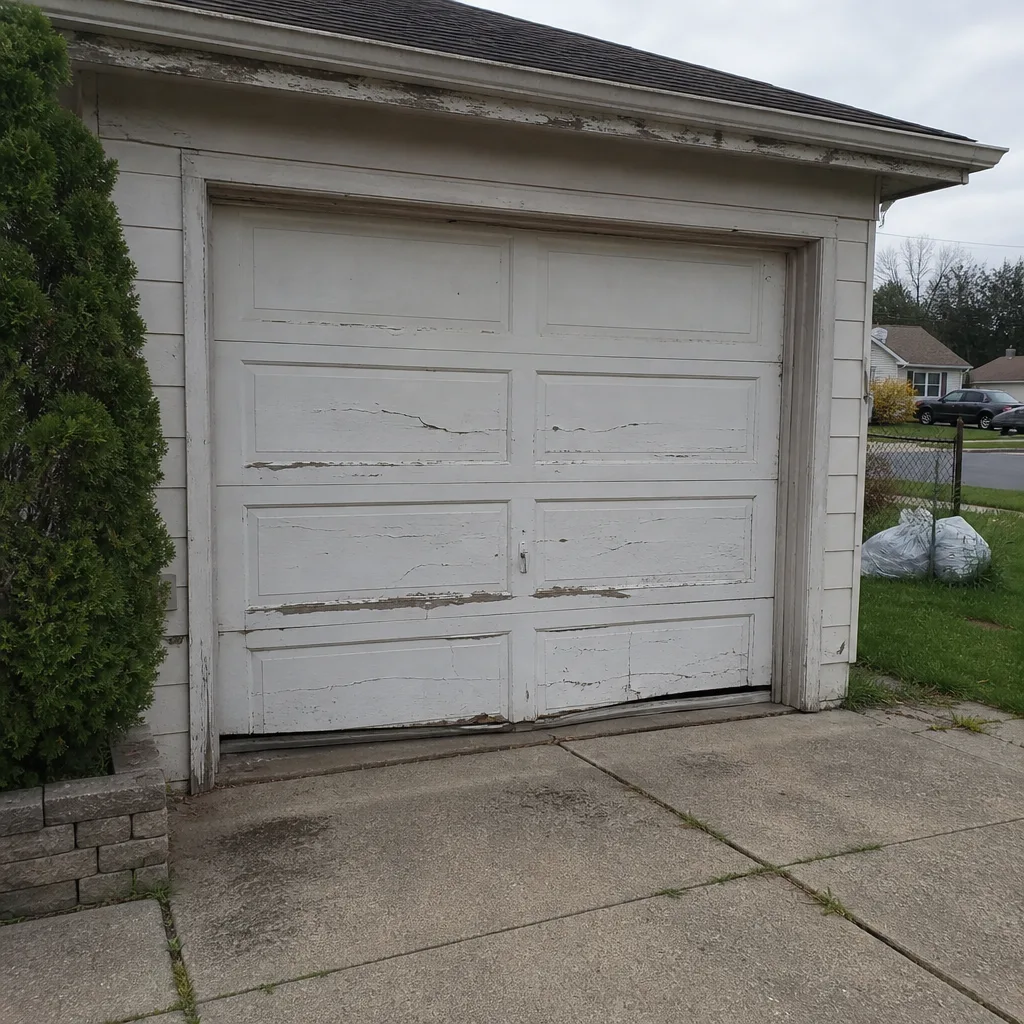 Before
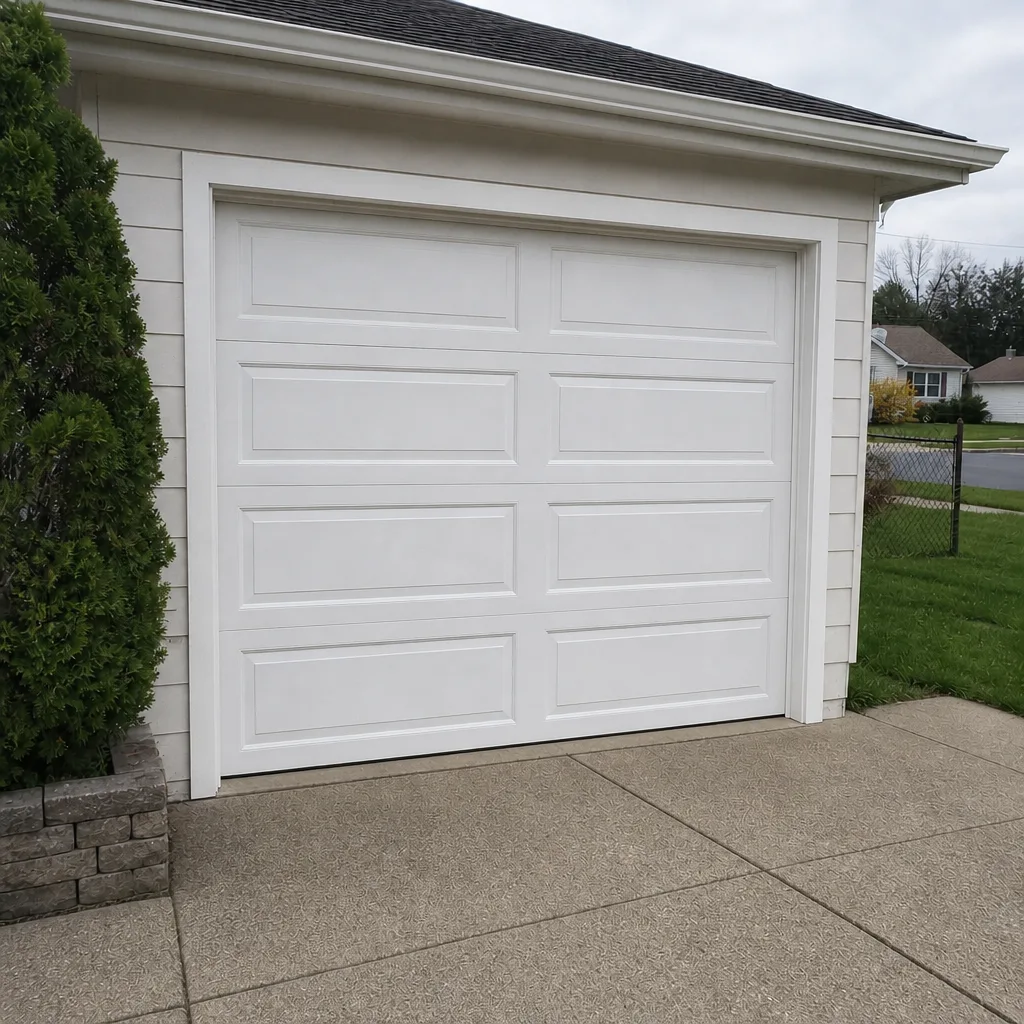 After
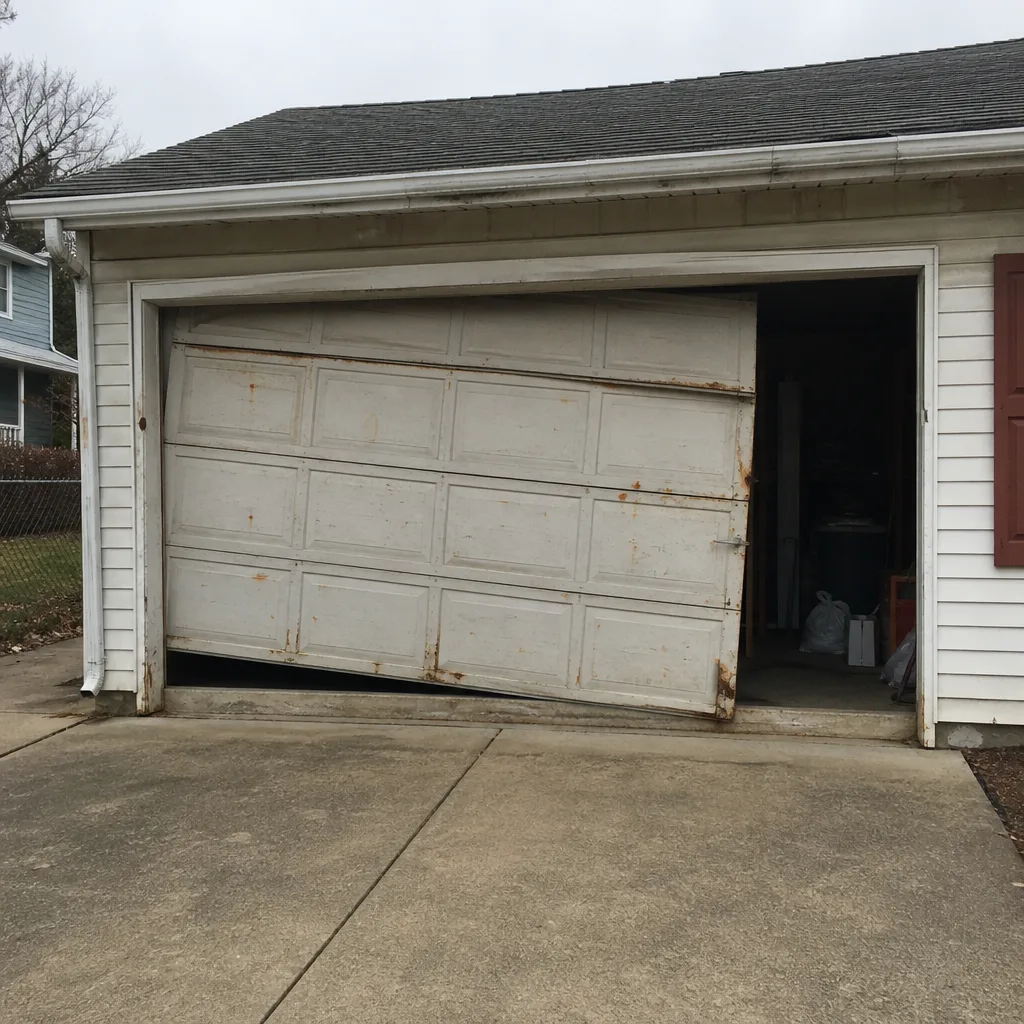 Before
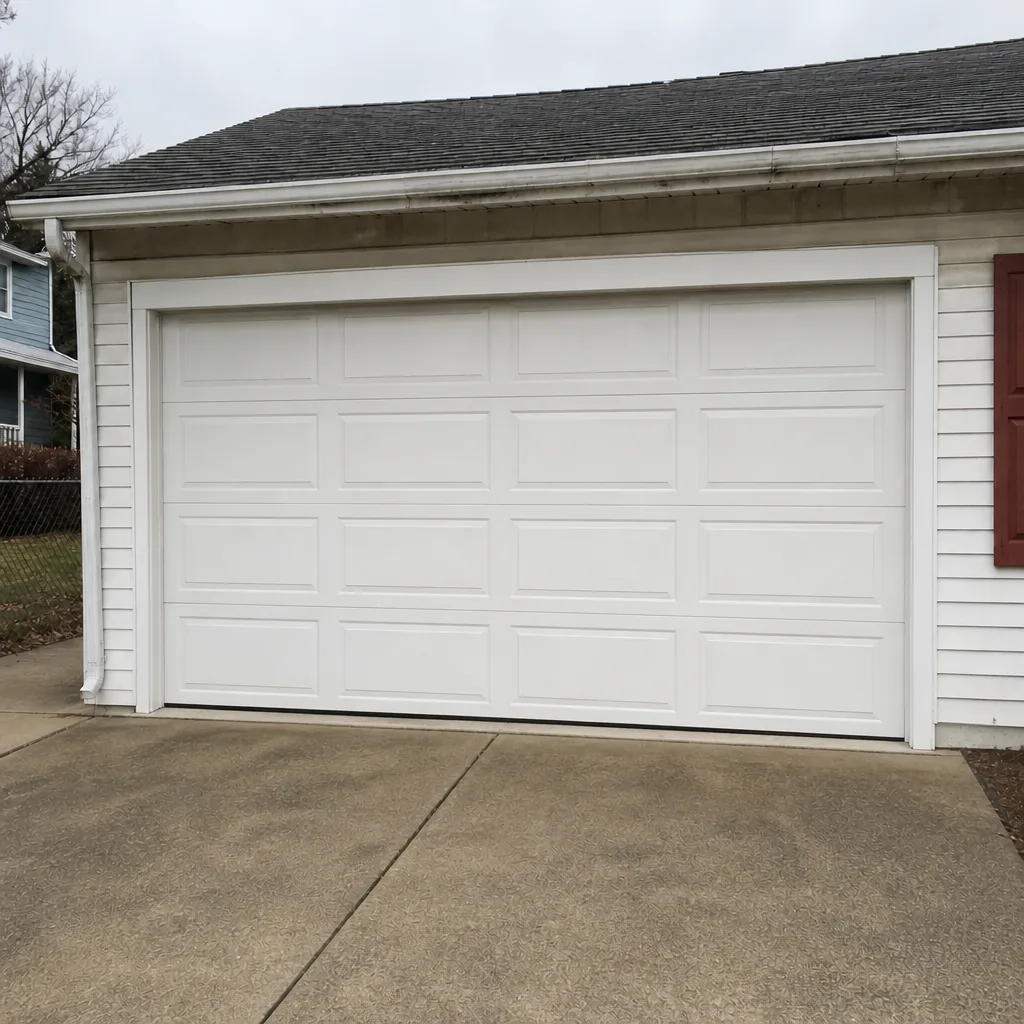 After
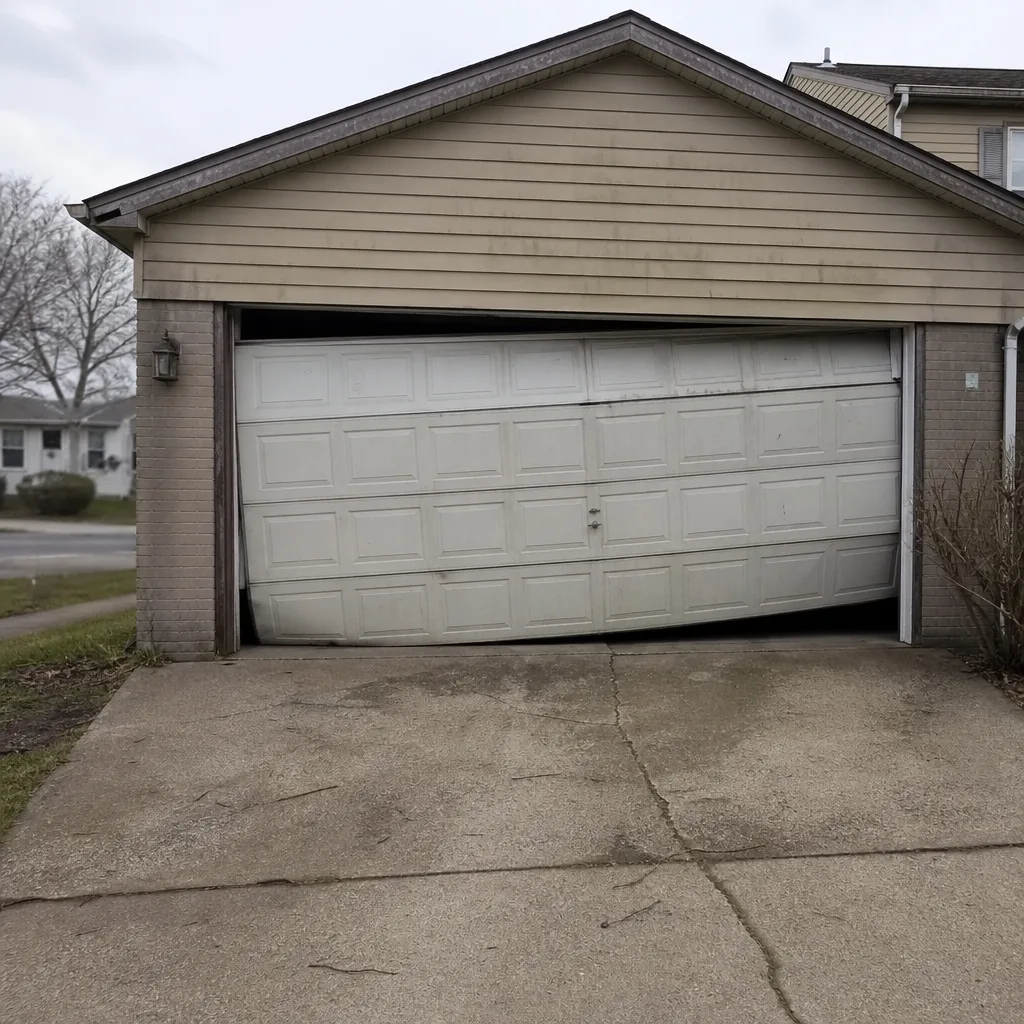 Before
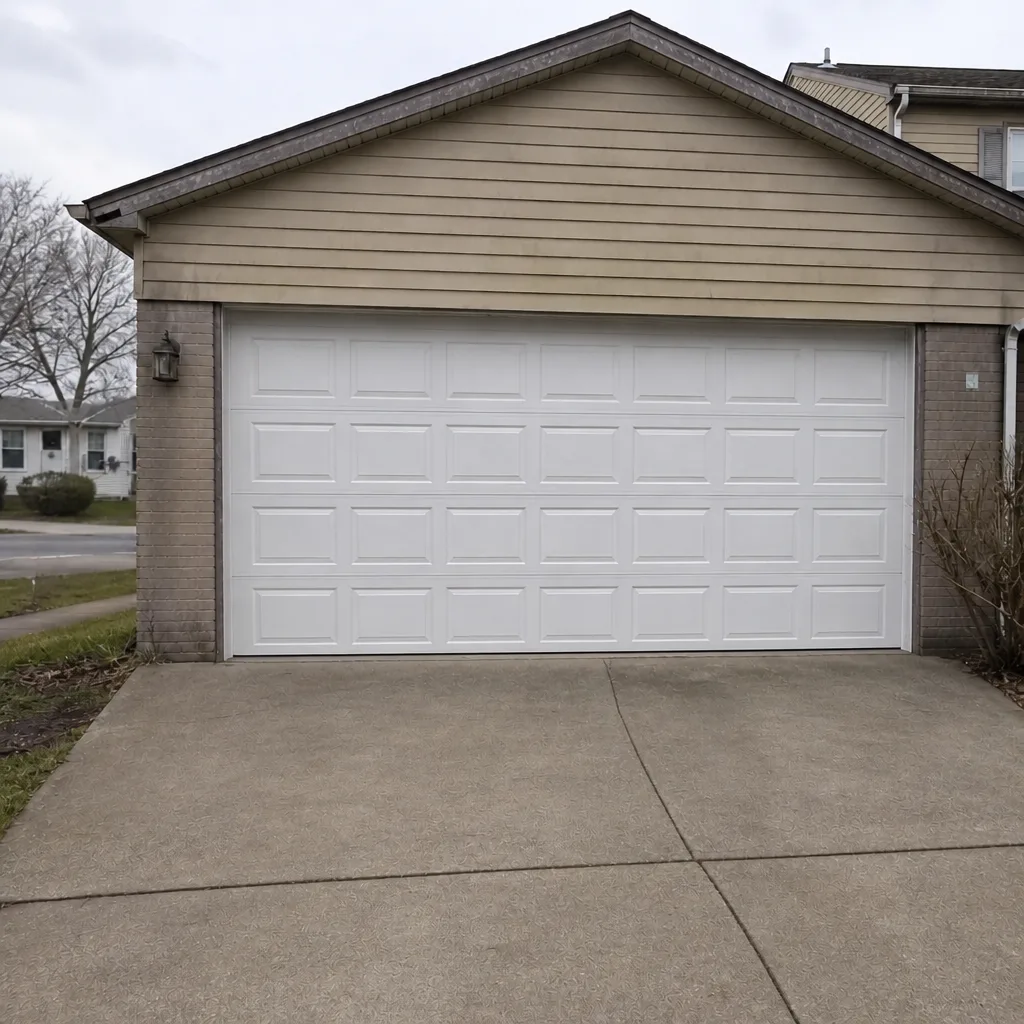 After
When to Call a Professional
Call when a cable is frayed, when the door runs crooked, when anything pops loudly near the top of the door, when a door reverses without warning, or when a door has been lifted by hand with the opener engaged. Those are the cases where the door should stop being cycled until a technician has looked at it. Call also when you’ve done the five-minute check and any item on it looked off – not because every check reveals a problem, but because sorting out which ones matter is exactly what a trained eye does quickly.
We’re a garage door specialist, so what we do all day is diagnose doors and openers. Woodbridge Garage Door Repair Co offers free estimates in Woodbridge Township – call (877) 820-9179. Our team also does garage door spring repair and full installation, so whether it’s a fix today or a replacement later, one call covers it. There’s also emergency garage door service available for the out-of-hours door that’s stuck open or shut. If you’d rather start with a conversation than a visit, we’re happy to listen to what the door is doing.
Frequently Asked Questions
A frayed cable is the most serious warning sign, because a failing cable can drop the door without warning. If you can see a fuzzy or separated strand along either side of the door, stop using it and call. A loud pop near the torsion bar at the top of the door is the next most serious. Call (877) 820-9179 for a free estimate – we’ll tell you what to do before you cycle the door again.
Spring repair in Woodbridge Township typically runs a few hundred dollars per spring, with a matched pair replaced together usually costing about twice that. The exact price depends on the spring type and what the technician finds on the door. We quote the price and agree it before any work starts, and the written estimate sets the final price. Call (877) 820-9179 for an exact quote – estimates are free.
Yes, emergency garage door service is available for the stuck-open and stuck-shut cases, including outside normal business hours. A door stuck open is exposed to the weather and to security risk, so we treat it as urgent. Call (877) 820-9179 and describe the situation – estimates are free.
No. We quote the price and agree it with you before any work starts, and the written estimate sets the final price. If the technician finds something on the door that changes the scope, they’ll talk it through with you before touching anything. Call (877) 820-9179 for an exact quote.
The local professionals we connect you with are licensed and insured as their state requires. Our technicians have up to 15 years of experience and work on the brand already in your garage. Call (877) 820-9179 for a free estimate.
Yes, it’s worth taking seriously. A hesitation at the start of the cycle is usually a torsion spring under uneven tension, and that means you’re measuring remaining life in weeks rather than months. Don’t try to adjust the spring yourself – it’s under severe tension. Call (877) 820-9179 for a free estimate and we’ll confirm what’s going on.
The Bottom Line
A garage door is a machine that announces its problems ahead of time, in a language of sounds and small movements. The half-second hesitation at the start, the grind at chest height, the fuzzy edge on a cable, the crooked lift – each one is a specific symptom with a specific meaning, and each one is cheaper to address the sooner it’s noticed. Stop using a door that has a frayed cable, a pop near the torsion bar, or a crooked lift. Schedule the rest before the next season. And if you’re not sure which category you’re in, that’s a good reason to call. Woodbridge Garage Door Repair Co covers spring repair, opener repair, and full door installation, and our team does Woodbridge Garage Door Repair Co work with the same approach: diagnose before anything else. Call (877) 820-9179 for a free estimate.
Written by the team at Woodbridge Garage Door Repair Co.